

¡Agotado, pero muy deseado!

Parámetros
- 412 páginas
- 15 horas de lectura
Más información sobre el libro
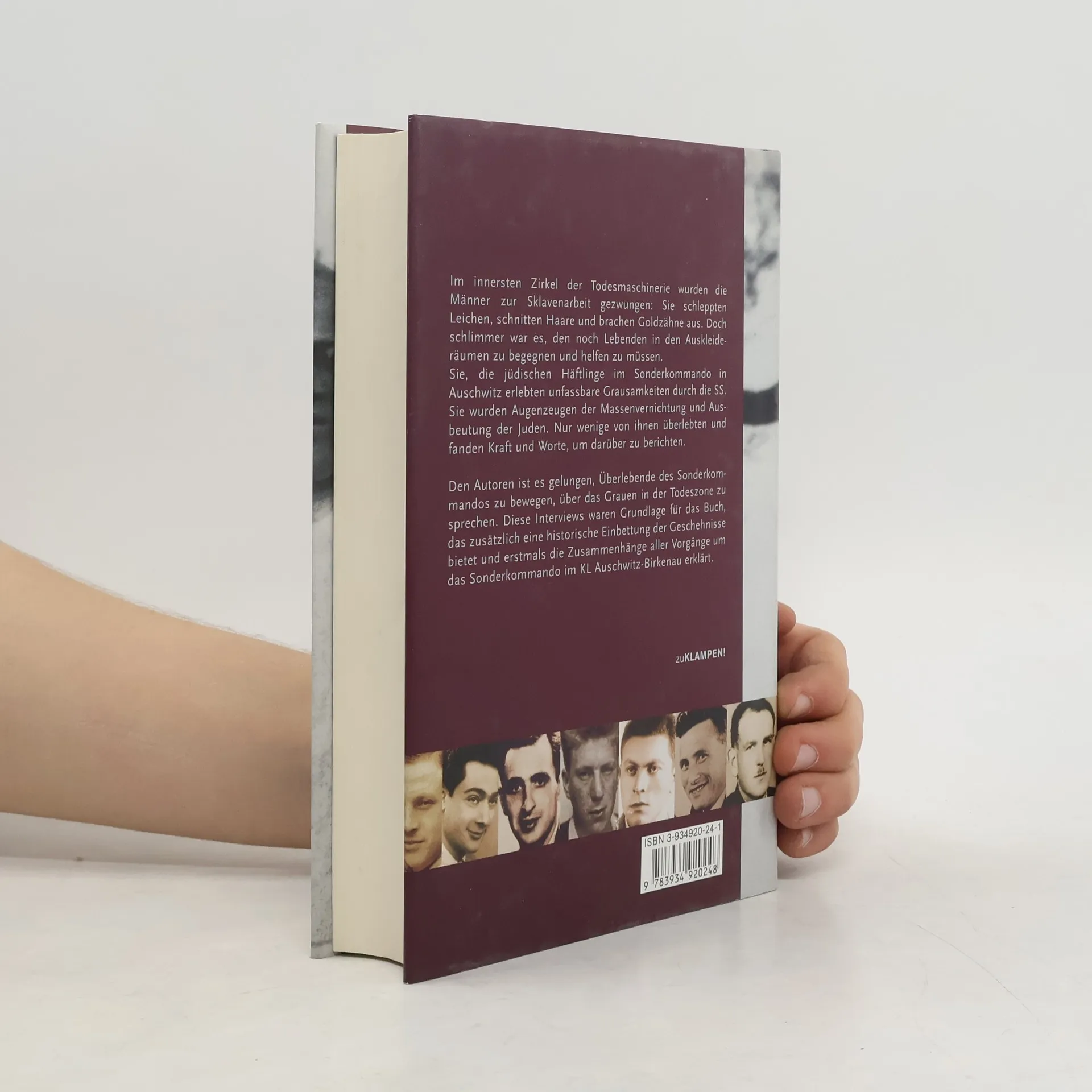
The Sonderkommando was established in Auschwitz in 1942 by the SS. Ca. 2,100 prisoners worked in the unit at various times; 100 of them survived. These prisoners became robot-like creatures who received the victims in the gas chambers and helped them undress, then searched the cadavers and burned them. They learned that, in order to survive, a human being is capable of unimaginable acts. After the war, like other survivors, they feared a confrontation with traumatic memory; however, unlike them, they remained silent due to a deep feeling of guilt.



Compra de libros
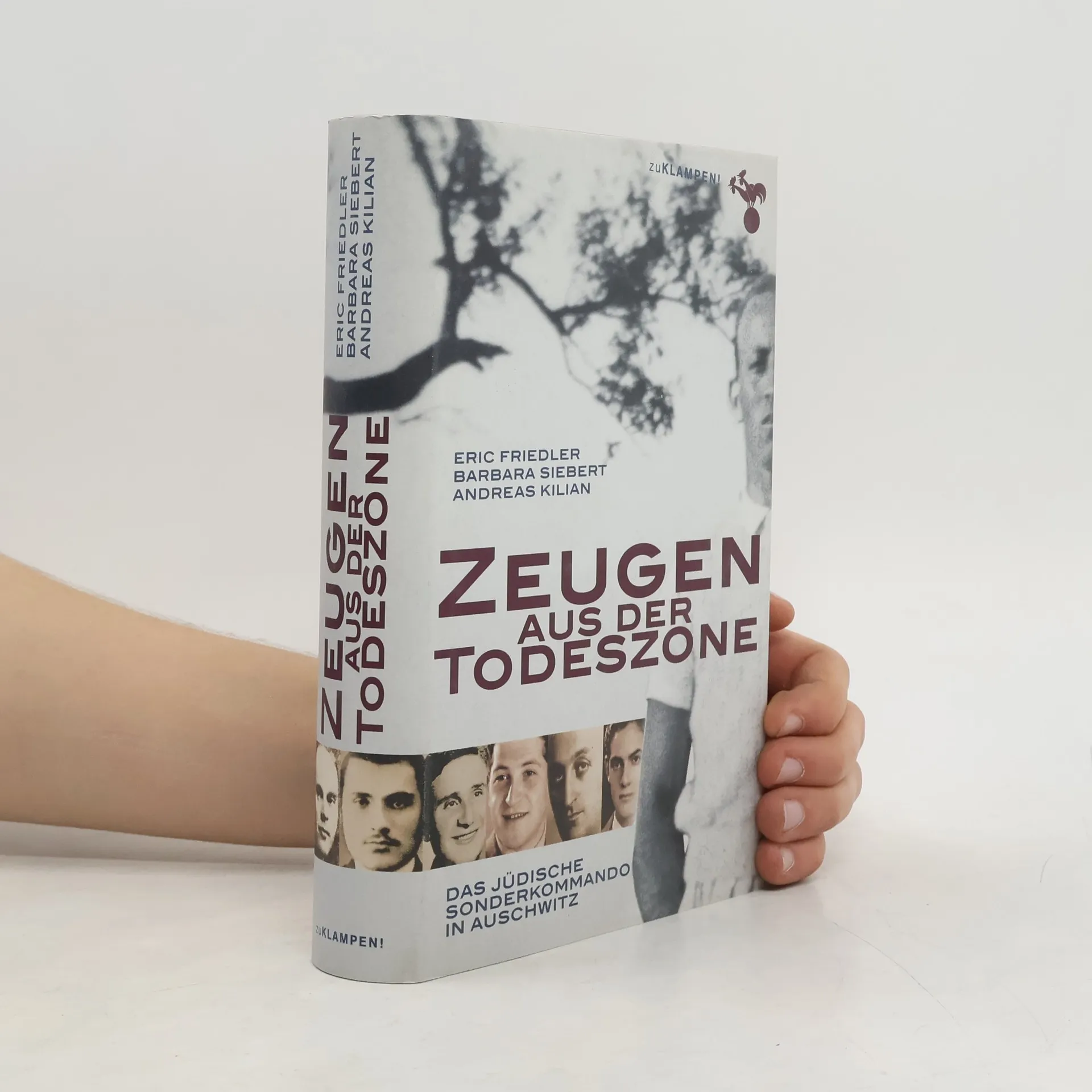
Zeugen aus der Todeszone, Eric Friedler, Barbara Siebert, Andreas Kilian
- Idioma

- Publicado en
- 2002
- product-detail.submit-box.info.binding
- (Tapa dura)
Métodos de pago
Nos falta tu reseña aquí
- Título
- Zeugen aus der Todeszone
- Subtítulo
- Das jüdische Sonderkommando in Auschwitz
- Idioma
- Alemán
- Autores
- Eric Friedler, Barbara Siebert, Andreas Kilian
- Editorial
- Bleicher
- Publicado en
- 2002
- Formato
- Tapa dura
- Páginas
- 412
- ISBN10
- 3934920241
- ISBN13
- 9783934920248
- Serie
- Etiquetas
- No ficción, Tema histórico, Historia, Periodismo narrativo, Historia militar, Prosa bélica, Guerras, Segunda Guerra Mundial, Muerte, Judíos, Holocausto, Nazismo, Campos de Concentración, Adolf Hitler, Persecución, Genocidio, Auschwitz (campo de concentración)
- Primera publicación
- 2005
- Título original
- Zeugen aus der Todeszone
- Calificación
- 4,65 de 5
- Descripción
- The Sonderkommando was established in Auschwitz in 1942 by the SS. Ca. 2,100 prisoners worked in the unit at various times; 100 of them survived. These prisoners became robot-like creatures who received the victims in the gas chambers and helped them undress, then searched the cadavers and burned them. They learned that, in order to survive, a human being is capable of unimaginable acts. After the war, like other survivors, they feared a confrontation with traumatic memory; however, unlike them, they remained silent due to a deep feeling of guilt.