



Más información sobre el libro
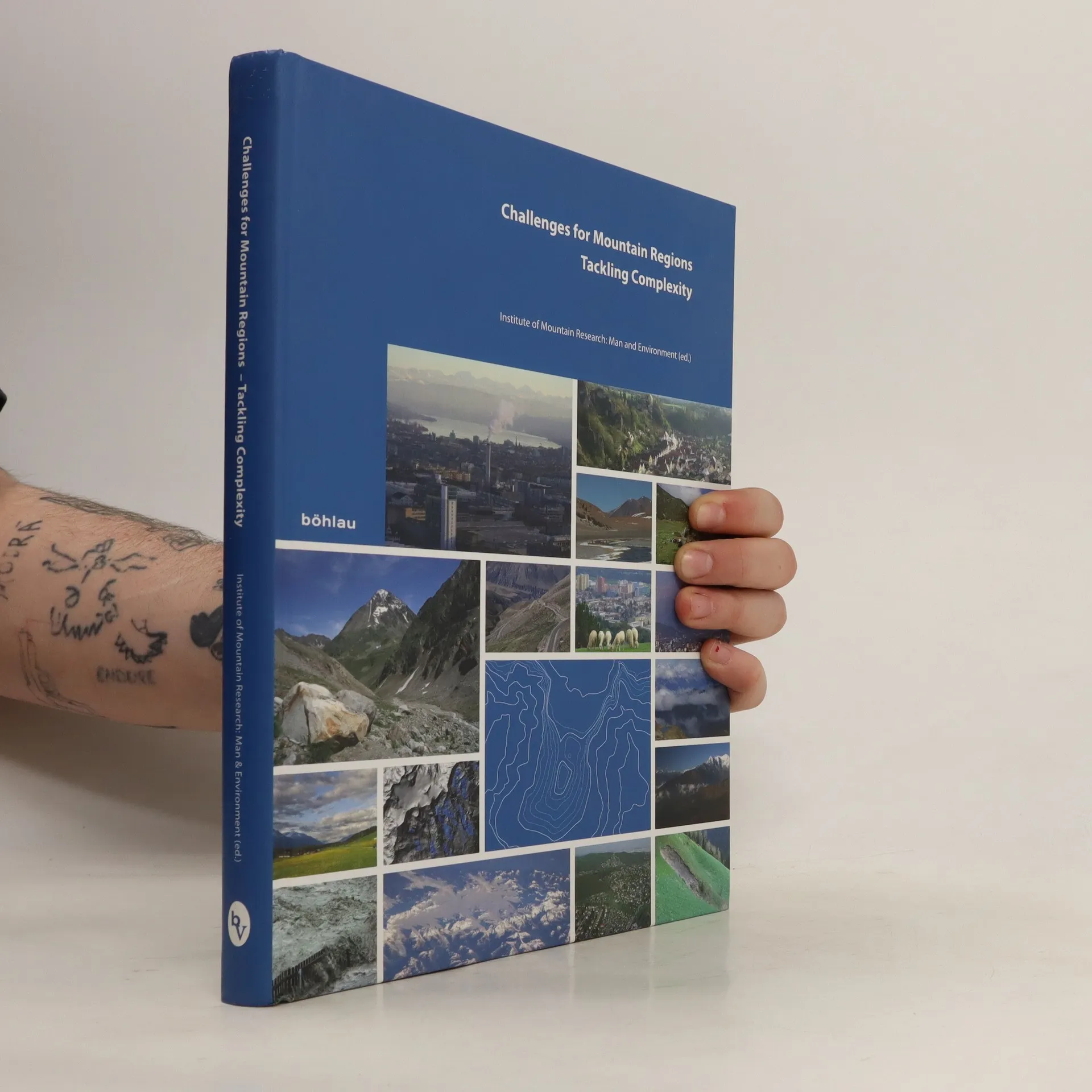
Mountains cover about a third of the world's land and are home to one-tenth of the global population, providing resources to over a third of humanity. They are biodiversity hotspots and offer recreational and recuperative benefits. However, climate change and globalization pose significant threats to these areas, with global warming affecting mountains up to three times faster than other regions. Traditional mountain communities struggle against global competition, and the cross-border nature of many mountain ranges can lead to conflicts over diminishing resources like minerals and water. Additionally, the inaccessibility of some mountain areas may allow them to become hiding spots for terrorists. Consequently, mountain research is increasingly vital to maintain their functions and promote sustainable development. The UN has acknowledged this need through the resolution on "Sustainable Mountain Development," which complements the mountain chapter of Agenda 21 and the declarations of International Years of the Mountains in 2002 and 2010. This volume highlights the efforts of Austrian mountain research in addressing global changes affecting these regions. The authors, affiliated with the Institute of Mountain Research: Man and Environment at the Austrian Academy of Sciences, provide a problem-oriented perspective for readers who appreciate the complexities of mountain landscapes.
Compra de libros
Challenges for mountain regions, Axel Borsdorf
- Idioma

- Publicado en
- 2010
- Encuadernación
- (Tapa dura)
Métodos de pago
Nadie lo ha calificado todavía.
- Título
- Challenges for mountain regions
- Idioma
- Inglés
- Autores
- Axel Borsdorf
- Editorial
- Böhlau
- Publicado en
- 2010
- Formato
- Tapa dura
- Páginas
- 223
- ISBN10
- 3205786521
- ISBN13
- 9783205786528
- Serie
- Categorías
- Etiquetas
- Ciencias naturales
- Descripción
- Mountains cover about a third of the world's land and are home to one-tenth of the global population, providing resources to over a third of humanity. They are biodiversity hotspots and offer recreational and recuperative benefits. However, climate change and globalization pose significant threats to these areas, with global warming affecting mountains up to three times faster than other regions. Traditional mountain communities struggle against global competition, and the cross-border nature of many mountain ranges can lead to conflicts over diminishing resources like minerals and water. Additionally, the inaccessibility of some mountain areas may allow them to become hiding spots for terrorists. Consequently, mountain research is increasingly vital to maintain their functions and promote sustainable development. The UN has acknowledged this need through the resolution on "Sustainable Mountain Development," which complements the mountain chapter of Agenda 21 and the declarations of International Years of the Mountains in 2002 and 2010. This volume highlights the efforts of Austrian mountain research in addressing global changes affecting these regions. The authors, affiliated with the Institute of Mountain Research: Man and Environment at the Austrian Academy of Sciences, provide a problem-oriented perspective for readers who appreciate the complexities of mountain landscapes.