

Más información sobre el libro
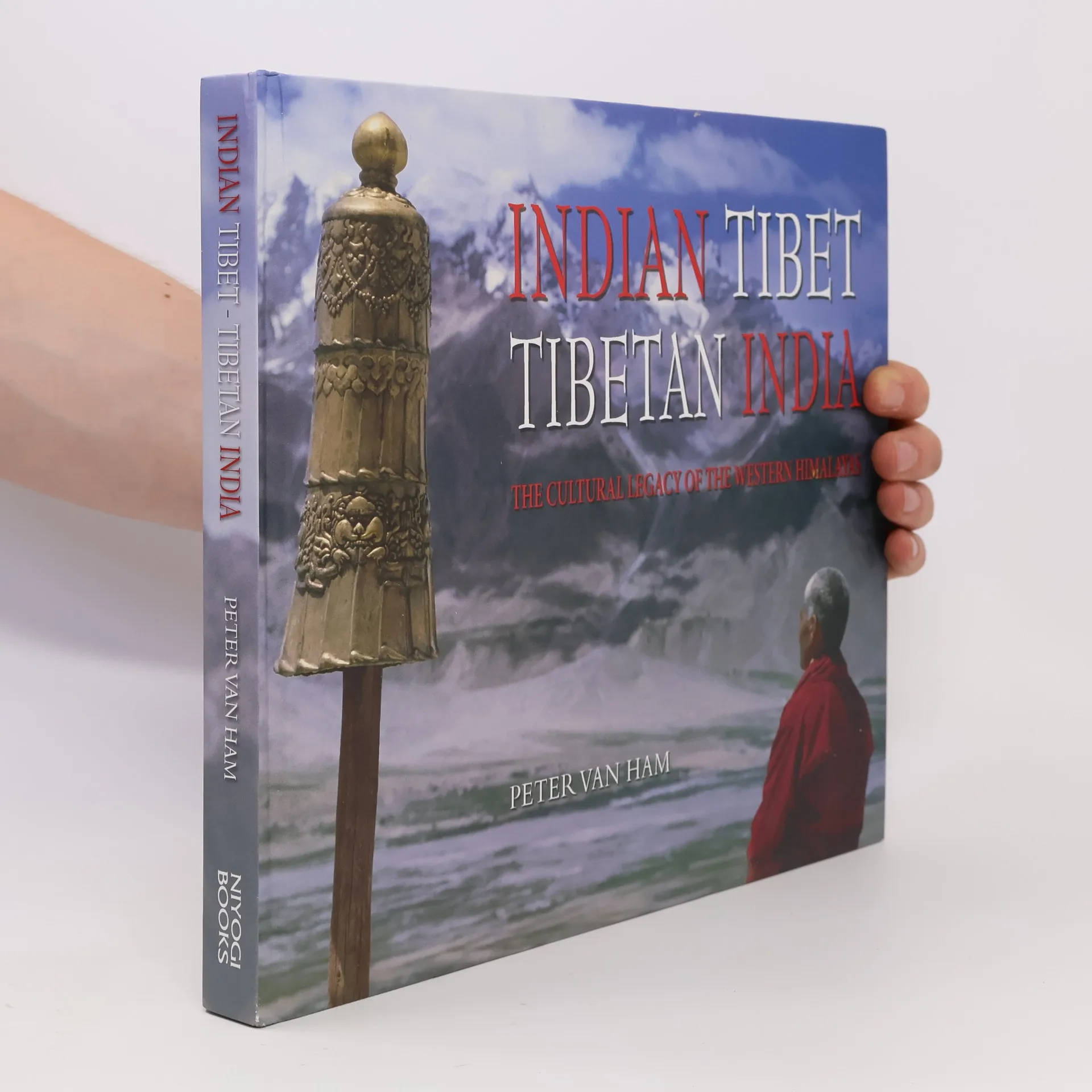
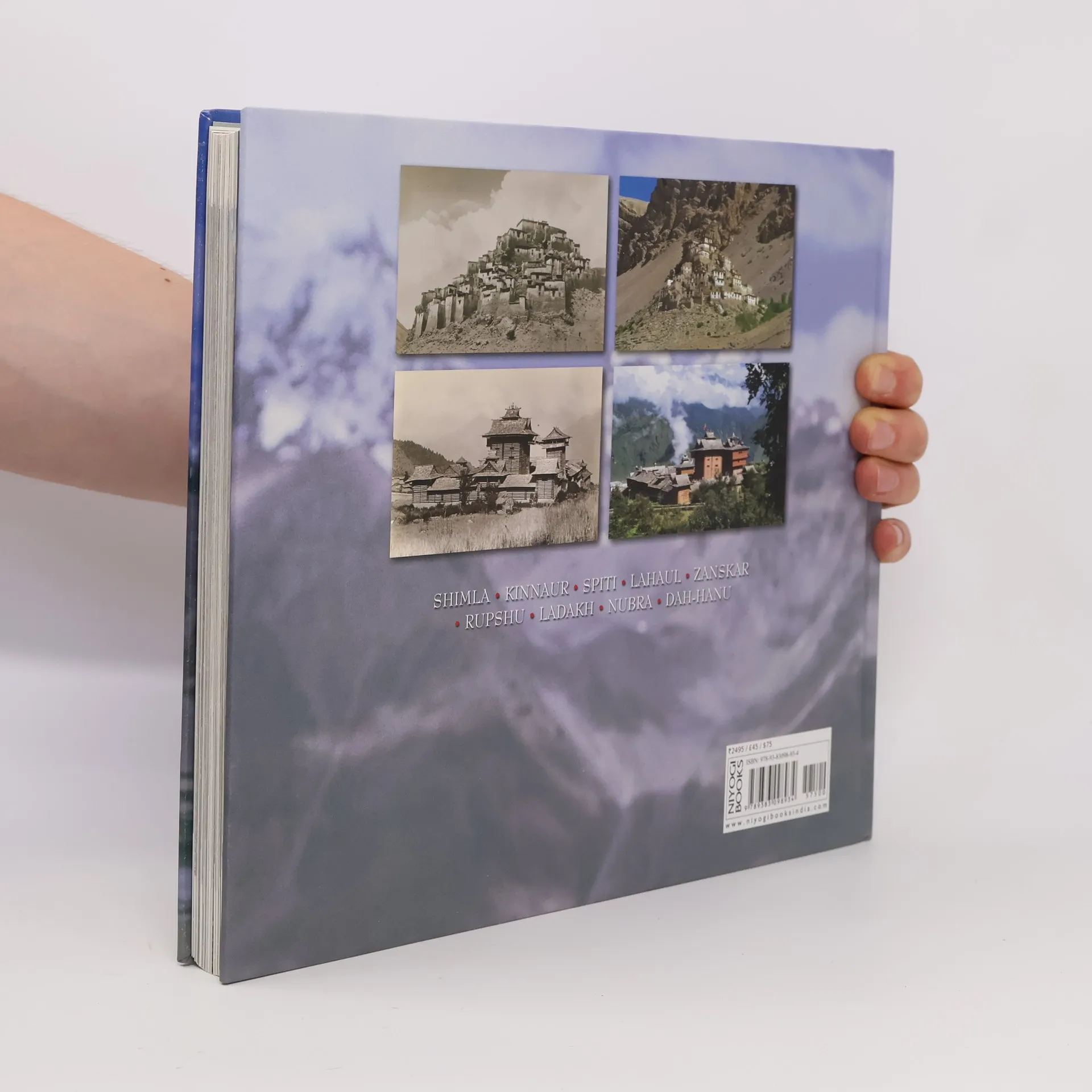
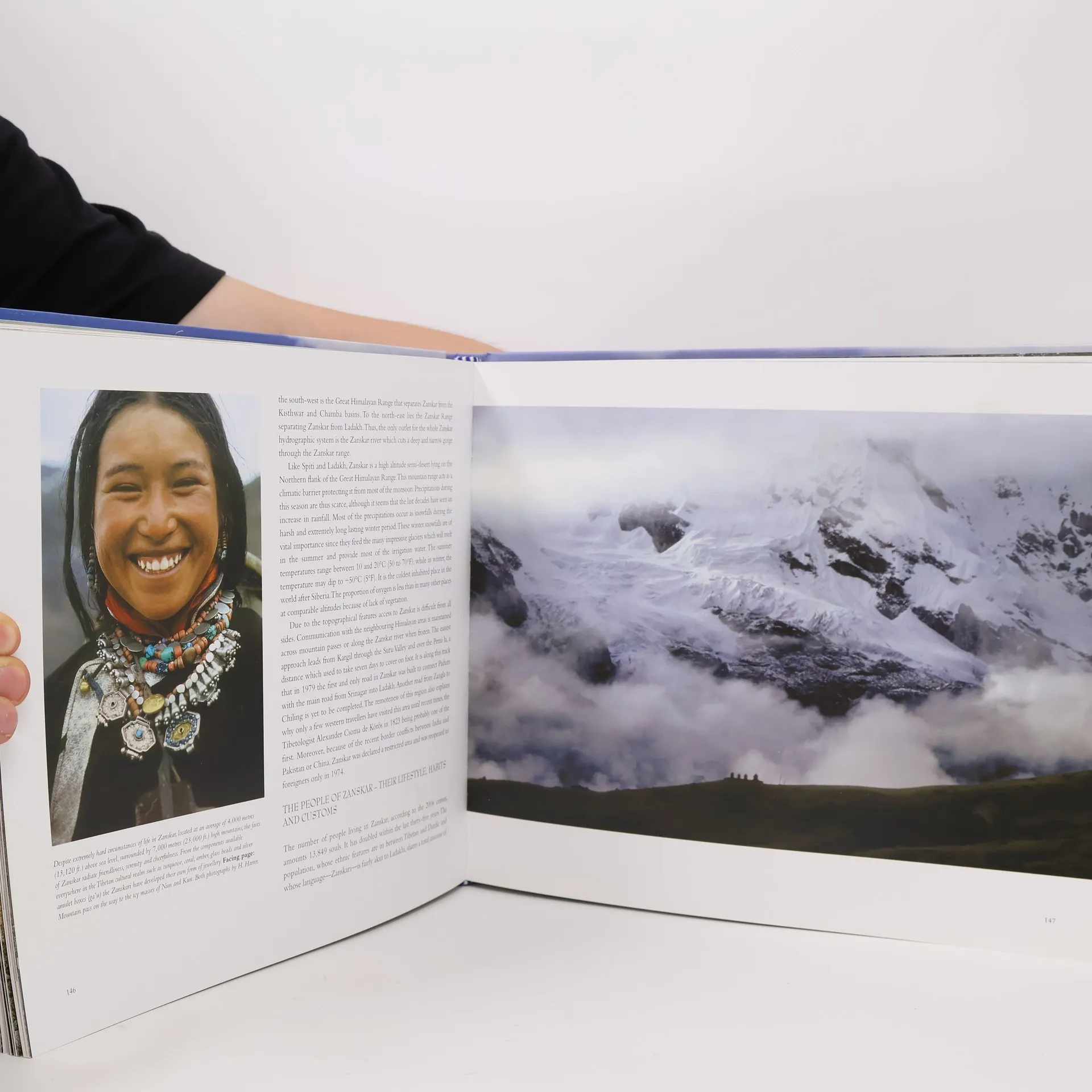
Inspired by the first cultural expedition into the Western Himalayas by August Hermann Francke in 1909 which resulted in the region's denomination as Indian Tibet , the author has travelled for years in the long inaccessible Indo-Tibetan border regions after they were opened to the public in the beginning of the 1990s. In secluded and remote high-altitude-valleys of breath-taking grandeur he documented some of the last refuges of Tibetan and early Indian culture and photographed people and the unique testimonies of their art, religion and architecture. With the aid of rare archival and contemporary textual and visual materials, many seen here for the first time ever, the author draws a comprehensive picture of the fascinating history of the exploration of the present Indian border region towards Tibet. Knowledgably he describes the customs of its various inhabitants many of whom still follow their age-old traditions which at present are being stimulated and revived by the many exiled Tibetans that have found a new home in the region, thus designating it as 'Tibetan India.'

Compra de libros
Indian Tibet, Tibetan India, Peter van Ham
- Idioma

- Publicado en
- 2015
- Encuadernación
- (Tapa dura)
Métodos de pago
Nos falta tu reseña aquí
- Título
- Indian Tibet, Tibetan India
- Idioma
- Inglés
- Autores
- Peter van Ham
- Editorial
- Niyogi Books
- Publicado en
- 2015
- Formato
- Tapa dura
- Páginas
- 244
- ISBN10
- 9383098937
- ISBN13
- 9789383098934
- Serie
- Categorías
- Etiquetas
- Ilustraciones
- Calificación
- 5 de 5
- Descripción
- Inspired by the first cultural expedition into the Western Himalayas by August Hermann Francke in 1909 which resulted in the region's denomination as Indian Tibet , the author has travelled for years in the long inaccessible Indo-Tibetan border regions after they were opened to the public in the beginning of the 1990s. In secluded and remote high-altitude-valleys of breath-taking grandeur he documented some of the last refuges of Tibetan and early Indian culture and photographed people and the unique testimonies of their art, religion and architecture. With the aid of rare archival and contemporary textual and visual materials, many seen here for the first time ever, the author draws a comprehensive picture of the fascinating history of the exploration of the present Indian border region towards Tibet. Knowledgably he describes the customs of its various inhabitants many of whom still follow their age-old traditions which at present are being stimulated and revived by the many exiled Tibetans that have found a new home in the region, thus designating it as 'Tibetan India.'