




Parámetros
- 394 páginas
- 14 horas de lectura
Más información sobre el libro
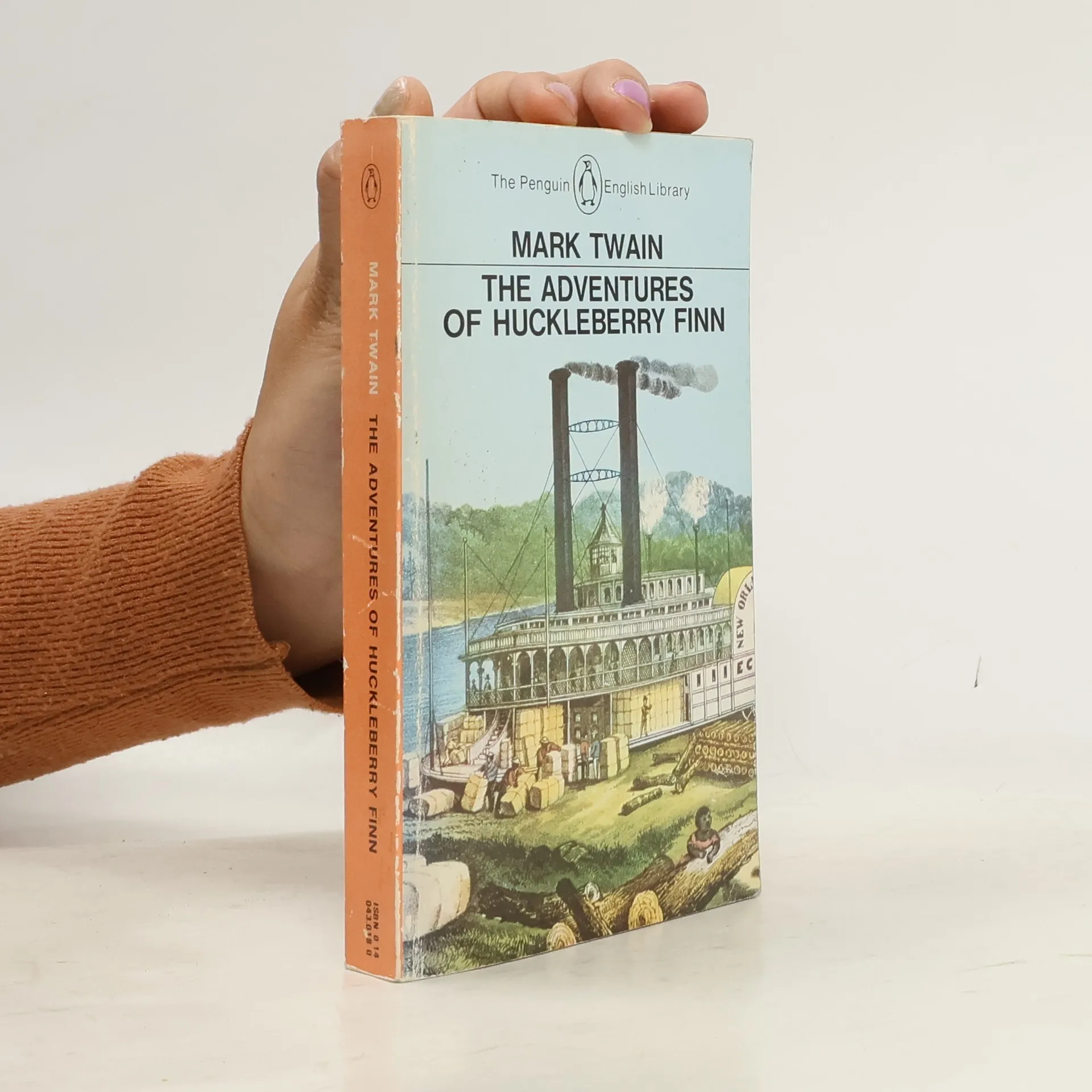
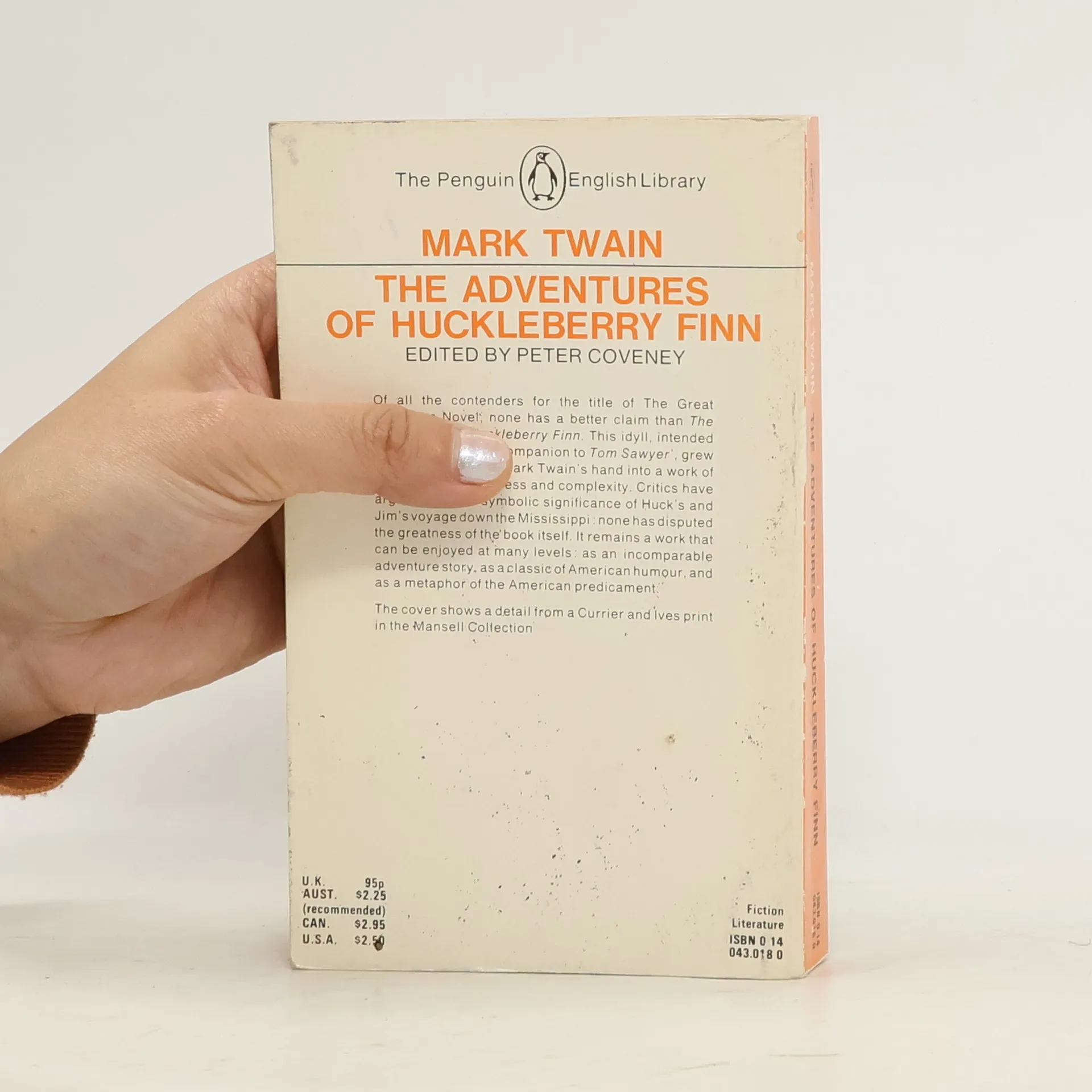
'All modern American literature comes from one book by Mark Twain called Huckleberry Finn... There was nothing before. There has been nothing as good since. Hemingway's comment is scarcely an exaggeration. While critics have argued over the symbolic significance of Huck's and Jim's voyage down the Mississippi, none has disputed the greatness of the book itself. What began modestly as 'a kind of companion to Tom Sawyer' grew under Mark Twain's hand into a work of immeasurable richness. In its distrust of too much civilisation and its concern with the way language turns dreamy and corrupt when divorced from life, it is a thoroughly modern novel. And more than modern in its hero, who is, according to T.S. Eliot, 'one of the permanent symbolic figures of fiction, not unworthy to take a place with Ulysses, Faust, Don Quixote, Don Juan, Hamlet and other discoveries which man has made about itself.


Publicación









- 2025

- 2024
- 2024
- 2024
- 2024
- 2024
- 2023
- 2023
- 2023
- 2023
- 2022
- 2022
- 2022
- 2022
- 2022
- 2022
- 2022
- 2022
- 2021
- 2021
- 2021
- 2021
- 2021
- 2021

- 2020
- 2020
- 2020
- 2019
- 2019
- 2019
- 2019
- 2019
- 2019
- 2019
- 2018
- 2018
- 2018
- 2018
- 2018
- 2018
- 2018
- 2018
- 2018

- 2017
- 2017

- 2017
- 2017
- 2017
- 2017



- 2016

- 2016
- 2016
- 2016


- 2015
- 2015
- 2015
- 2015
- 2015
- 2014
- 2014
- 2014

- 2013
- 2013
- 2013


- 2012


- 2012
- 2012
- 2011
- 2011
- 2011
- 2011
- 2011




- 2010



- 2009
- 2009




- 2008

- 2007
- 2007



- 2006



- 2005


- 2004





- 2002
- 2001
- 2001




- 1998

- 1997









- 1992


- 1989
































Compra de libros
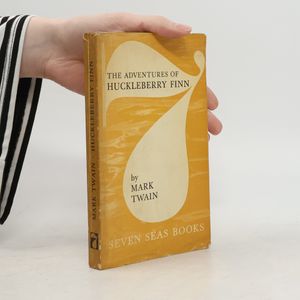
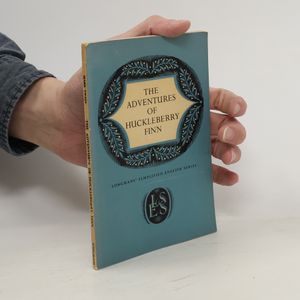
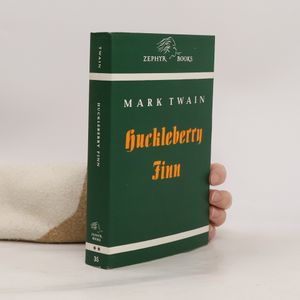
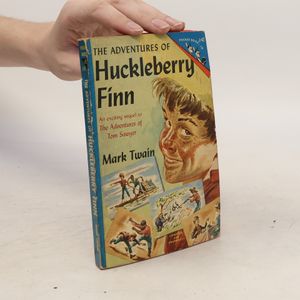
The Adventures of Huckleberry Finn, Mark Twain, Peter V. Coveney
- Idioma

- Publicado en
- 1985
- product-detail.submit-box.info.binding
- (Tapa blanda),
- Estado del libro
- Dañado
- Precio
- 0,37 €
Métodos de pago
Nos falta tu reseña aquí
- Idioma
- Inglés
- Autores
- Mark Twain, Peter V. Coveney
- Editorial
- Penguin Books
- Publicado en
- 1985
- Formato
- Tapa blanda
- Páginas
- 394
- ISBN10
- 0140430180
- ISBN13
- 9780140430189
- Recogida
- Penguin classics
- Etiquetas
- Ficción, Libros infantiles, Clásicos, Amistad, EE.UU., Escuela, Siglo XIX, Adaptada al cine, Escape, Raza, Racismo, Aventuras infantiles, Sur de Estados Unidos, Chicos, Para chicos, Jerga
- Primera publicación
- 1884
- Título original
- Adventures of Huckleberry Finn
- Calificación
- 3,7 de 5
- Descripción
- 'All modern American literature comes from one book by Mark Twain called Huckleberry Finn... There was nothing before. There has been nothing as good since. Hemingway's comment is scarcely an exaggeration. While critics have argued over the symbolic significance of Huck's and Jim's voyage down the Mississippi, none has disputed the greatness of the book itself. What began modestly as 'a kind of companion to Tom Sawyer' grew under Mark Twain's hand into a work of immeasurable richness. In its distrust of too much civilisation and its concern with the way language turns dreamy and corrupt when divorced from life, it is a thoroughly modern novel. And more than modern in its hero, who is, according to T.S. Eliot, 'one of the permanent symbolic figures of fiction, not unworthy to take a place with Ulysses, Faust, Don Quixote, Don Juan, Hamlet and other discoveries which man has made about itself.