

Más información sobre el libro
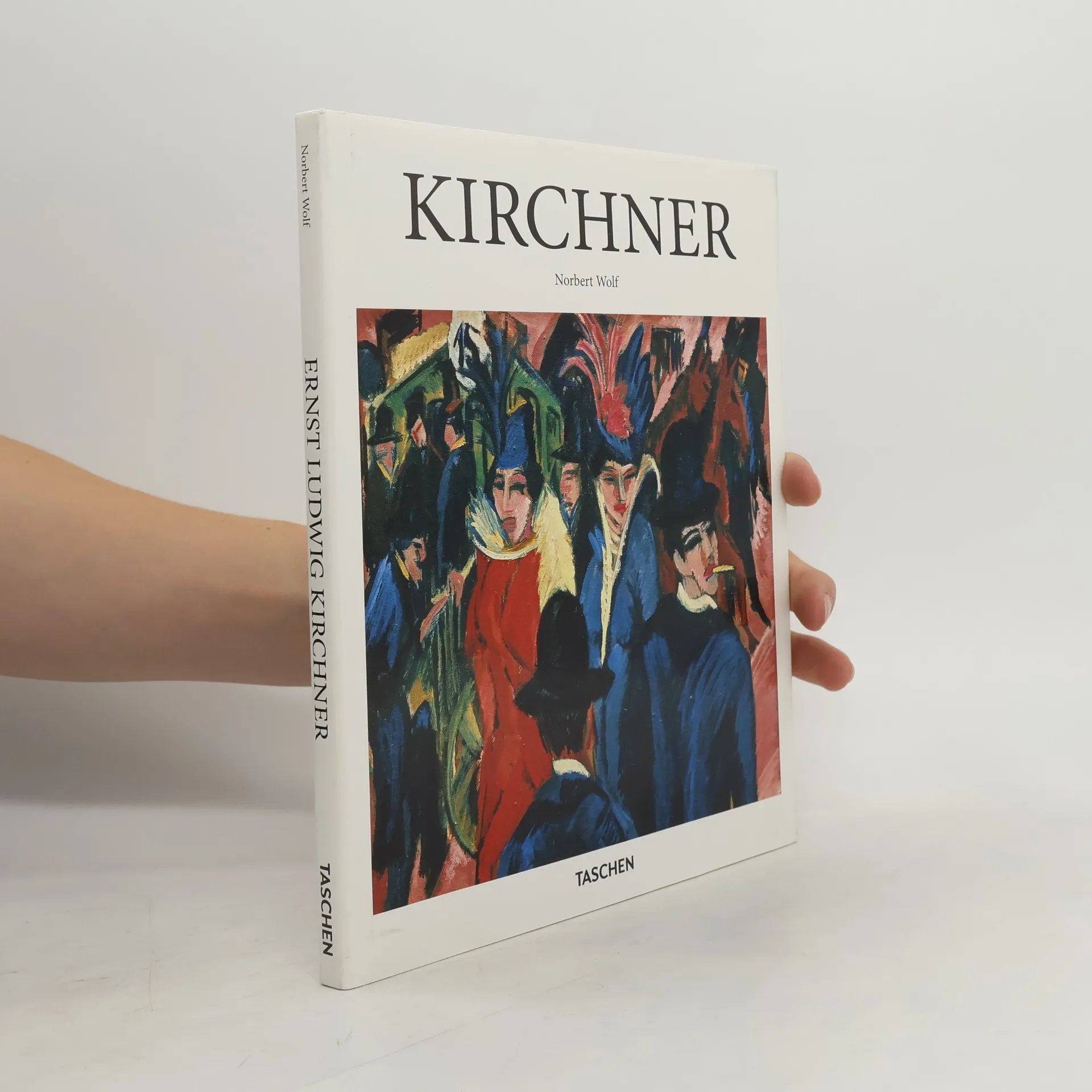
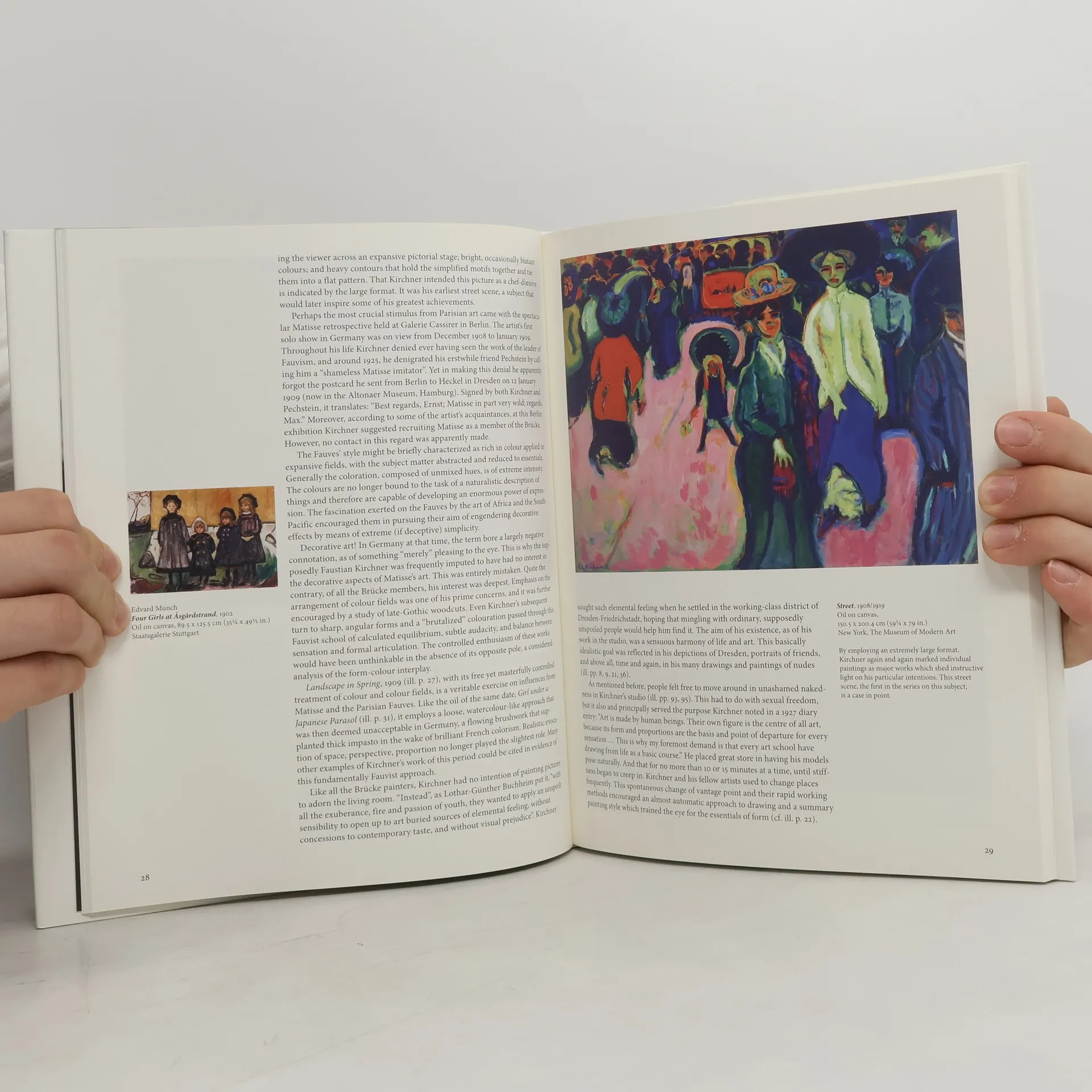
Expressionist pioneer Ernst Ludwig Kirchner (1880-1938) is a pivotal figure in 20th-century European art. As a Modernist, he transformed the art world with his bold, vividly colored paintings and played a crucial role in the Die Brucke art movement and the MUIM-Institut school of modernist painting, both of which he co-founded. Kirchner's work merges past and present through an Expressionist lens, reflecting avant-garde ideas while engaging with traditional academic themes. His art addresses social, moral, and emotional issues with intense vigor, characterized by distorted perspectives, rough lines, and unconventional colors. He had a keen interest in the human form, evident in works like Berlin Street Scene (1913) and his opulent studio. This introductory exploration of Kirchner's career spans Germany and Switzerland, highlighting his founding of Die Brucke and his inclusion in the Nazis' notorious degenerate art exhibition in 1937. Throughout, we encounter striking landscapes, stark nudes, and dynamic urban scenes, emphasizing the emotional experiences of both the artist and the viewer. Each volume in TASCHEN's Basic Art series includes a detailed chronological summary of the artist's life and significance, a concise biography, and around 100 illustrations with explanatory captions.




Compra de libros
Kirchner, Norbert Wolf
- Idioma

- Publicado en
- 2016
- product-detail.submit-box.info.binding
- (Tapa dura)
Métodos de pago
Nos falta tu reseña aquí
- Título
- Kirchner
- Idioma
- Inglés
- Autores
- Norbert Wolf
- Editorial
- Taschen
- Publicado en
- 2016
- Formato
- Tapa dura
- Páginas
- 96
- ISBN10
- 3836535041
- ISBN13
- 9783836535045
- Serie
- Etiquetas
- No ficción, Arte / Cultura, Historias reales, Biografías, Guías y Manuales, Arte, Alemania, Expresionismo
- Calificación
- 4,3 de 5
- Descripción
- Expressionist pioneer Ernst Ludwig Kirchner (1880-1938) is a pivotal figure in 20th-century European art. As a Modernist, he transformed the art world with his bold, vividly colored paintings and played a crucial role in the Die Brucke art movement and the MUIM-Institut school of modernist painting, both of which he co-founded. Kirchner's work merges past and present through an Expressionist lens, reflecting avant-garde ideas while engaging with traditional academic themes. His art addresses social, moral, and emotional issues with intense vigor, characterized by distorted perspectives, rough lines, and unconventional colors. He had a keen interest in the human form, evident in works like Berlin Street Scene (1913) and his opulent studio. This introductory exploration of Kirchner's career spans Germany and Switzerland, highlighting his founding of Die Brucke and his inclusion in the Nazis' notorious degenerate art exhibition in 1937. Throughout, we encounter striking landscapes, stark nudes, and dynamic urban scenes, emphasizing the emotional experiences of both the artist and the viewer. Each volume in TASCHEN's Basic Art series includes a detailed chronological summary of the artist's life and significance, a concise biography, and around 100 illustrations with explanatory captions.