



Parámetros
- 209 páginas
- 8 horas de lectura
Más información sobre el libro
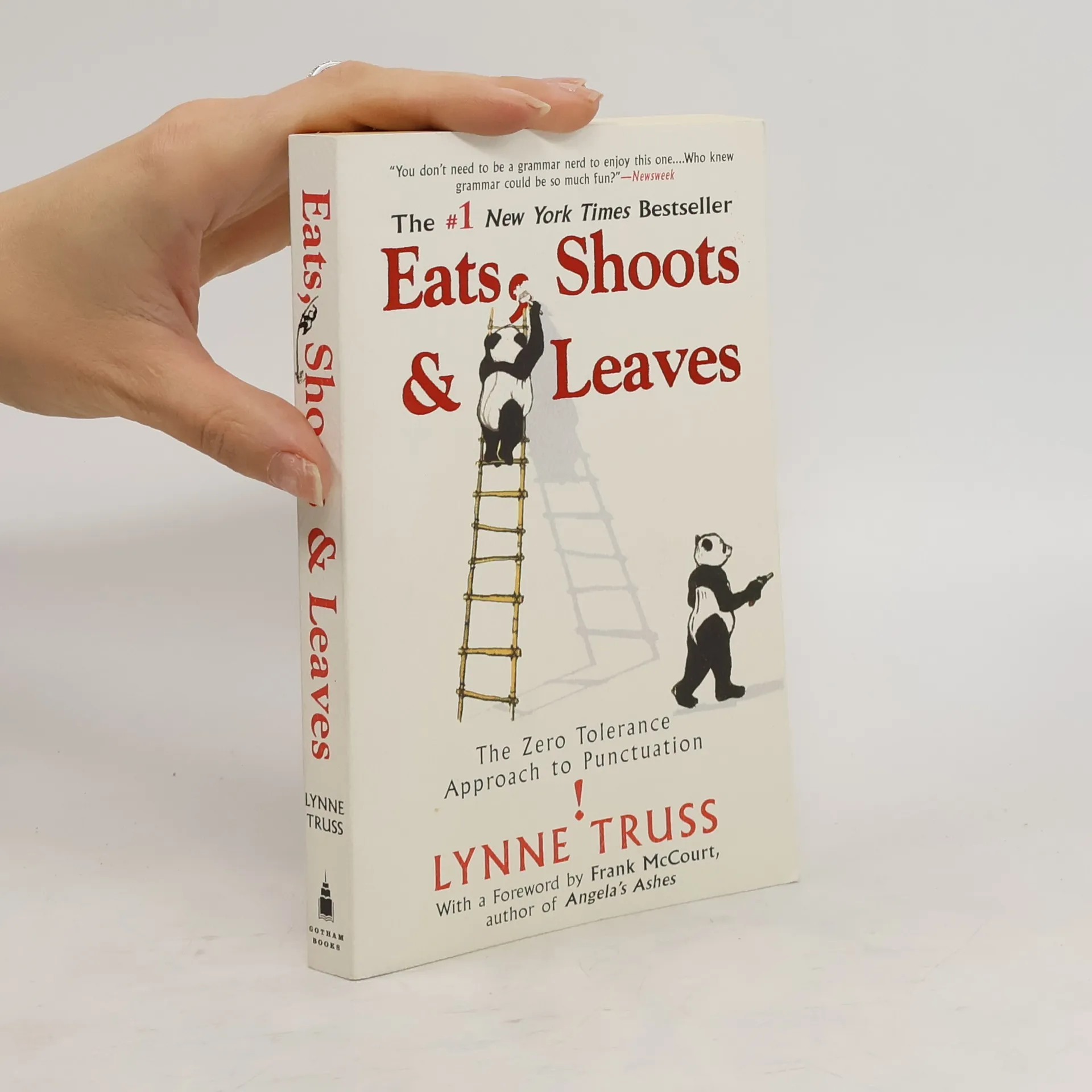
Through sloppy usage and low standards on the internet, in e-mail and now "txt msgs", we have made proper punctuation an endangered species. In "Eats, Shoots & Leaves", former editor Lynne Truss dares to say that it is time to look at our commas and semicolons and see them as the wonderful and necessary things they are. If there are only pedants left who care, then so be it. This is a book or people who love punctuation and get upset when it is mishandled. From George Orwell shunning the semicolon, to "New Yorker" editor Harold Ross's epic arguments with James Thurber over commas, this lively history makes a powerful case for the preservation of a system of printing conventions that is much too subtle to be mucked about with.




Compra de libros
Eats, shoots & leaves : the zero tolerance approach to punctuation, Lynne Truss, Frank McCourt
- Idioma

- Publicado en
- 2006
- product-detail.submit-box.info.binding
- (Tapa blanda)
Métodos de pago
Nos falta tu reseña aquí
- Idioma
- Inglés
- Autores
- Lynne Truss, Frank McCourt
- Editorial
- Gotham Books
- Publicado en
- 2006
- Formato
- Tapa blanda
- Páginas
- 209
- ISBN10
- 1592402038
- ISBN13
- 9781592402038
- Serie
- Etiquetas
- No ficción, Ciencias sociales, Libros de texto, Historias reales, Diccionarios y libros de texto de idiomas, Humor, Guías y Manuales, Idiomas, Periodismo & Ensayos, Sociología, Educación, Libros de idiomas, Sociedad, Lingüística, Comedias, Escritura, Gramática y sintaxis, Gramática Inglesa
- Título original
- Talk to the hand
- Calificación
- 3,85 de 5
- Descripción
- Through sloppy usage and low standards on the internet, in e-mail and now "txt msgs", we have made proper punctuation an endangered species. In "Eats, Shoots & Leaves", former editor Lynne Truss dares to say that it is time to look at our commas and semicolons and see them as the wonderful and necessary things they are. If there are only pedants left who care, then so be it. This is a book or people who love punctuation and get upset when it is mishandled. From George Orwell shunning the semicolon, to "New Yorker" editor Harold Ross's epic arguments with James Thurber over commas, this lively history makes a powerful case for the preservation of a system of printing conventions that is much too subtle to be mucked about with.