

Más información sobre el libro
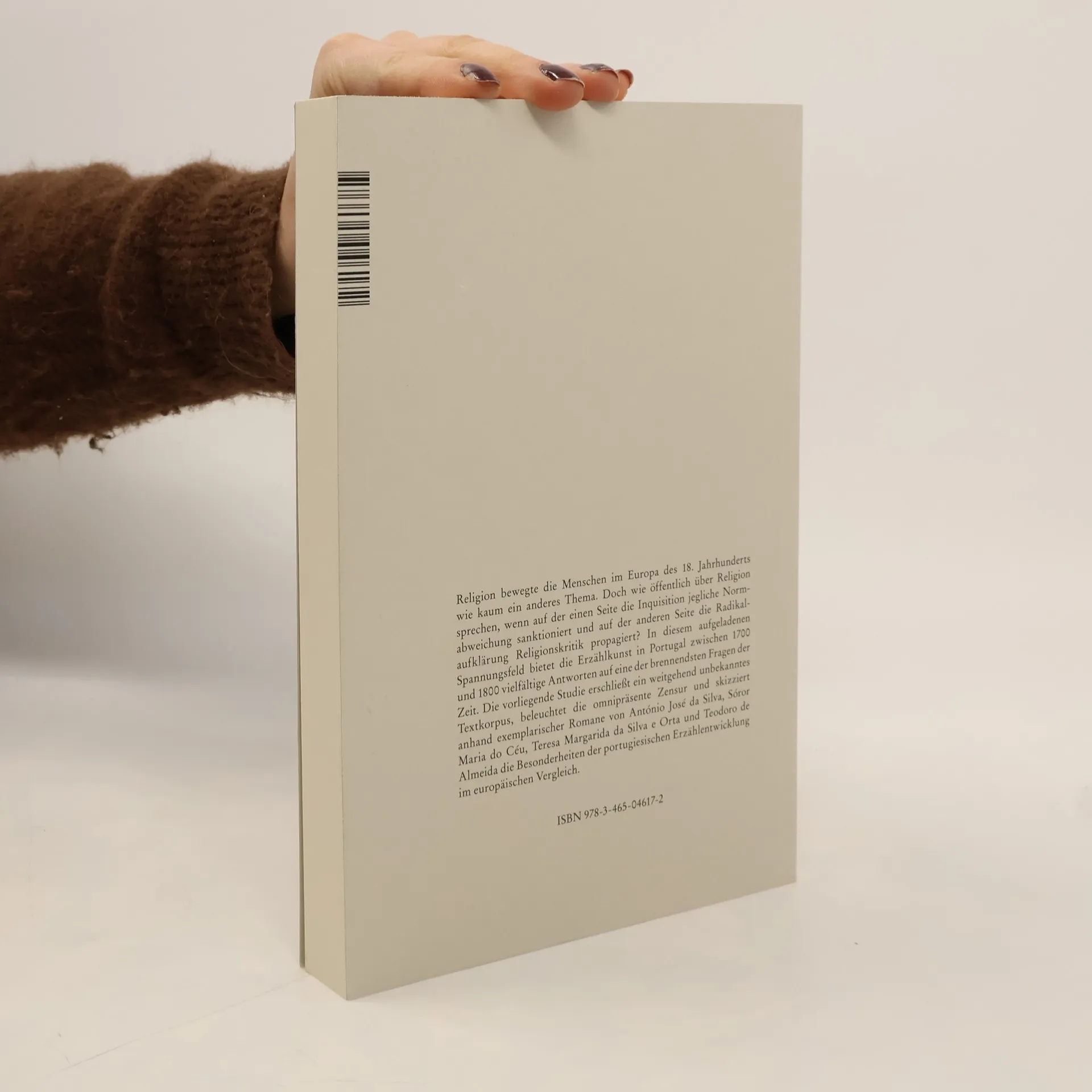
Religion was a central issue in 18th-century Europe, creating a complex landscape for public discourse. The Inquisition enforced strict norms, while the Radical Enlightenment encouraged religious criticism. In this context, narrative art in Portugal from 1700 to 1800 provides varied responses to the era's pressing questions. This study uncovers a largely unknown corpus of texts, highlighting the pervasive censorship of the time. It examines the unique characteristics of Portuguese narrative development in comparison to broader European trends, focusing on exemplary novels by António José da Silva, Sóror Maria do Céu, Teresa Margarida da Silva e Orta, and Teodoro de Almeida. Through these works, the study illustrates how authors navigated the tensions between religious authority and emerging Enlightenment ideals, offering insights into the cultural and intellectual climate of the period.
Compra de libros
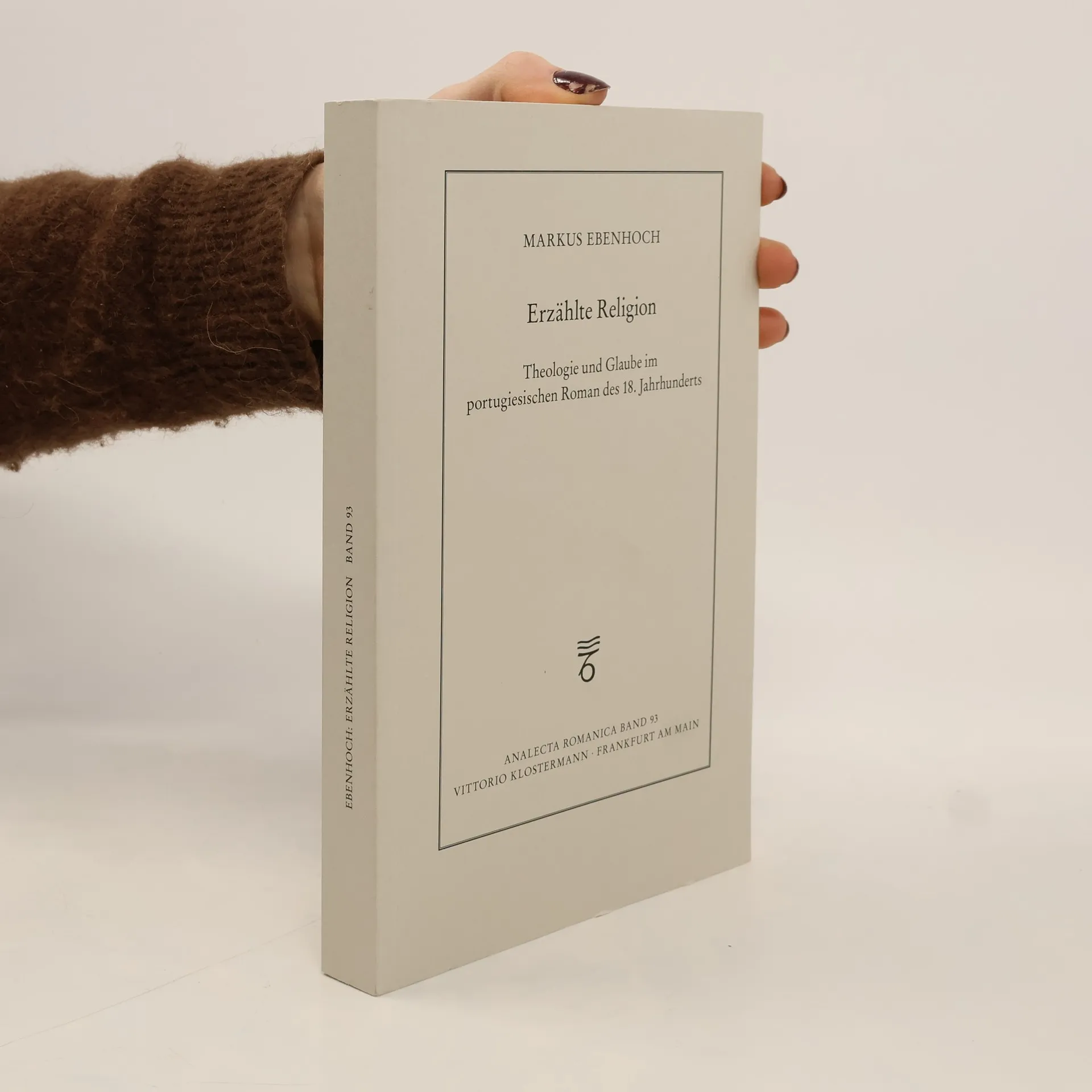
Erzählte Religion, Markus Ebenhoch
- Idioma

- Publicado en
- 2023
- Encuadernación
- (Tapa blanda)
Métodos de pago
Nadie lo ha calificado todavía.
- Título
- Erzählte Religion
- Subtítulo
- Theologie und Glaube im portugiesischen Roman des 18. Jahrhunderts
- Idioma
- Alemán
- Autores
- Markus Ebenhoch
- Editorial
- Klostermann
- Publicado en
- 2023
- Formato
- Tapa blanda
- Páginas
- 350
- ISBN10
- 346504617X
- ISBN13
- 9783465046172
- Serie
- Categorías
- Descripción
- Religion was a central issue in 18th-century Europe, creating a complex landscape for public discourse. The Inquisition enforced strict norms, while the Radical Enlightenment encouraged religious criticism. In this context, narrative art in Portugal from 1700 to 1800 provides varied responses to the era's pressing questions. This study uncovers a largely unknown corpus of texts, highlighting the pervasive censorship of the time. It examines the unique characteristics of Portuguese narrative development in comparison to broader European trends, focusing on exemplary novels by António José da Silva, Sóror Maria do Céu, Teresa Margarida da Silva e Orta, and Teodoro de Almeida. Through these works, the study illustrates how authors navigated the tensions between religious authority and emerging Enlightenment ideals, offering insights into the cultural and intellectual climate of the period.