

Parámetros
- 908 páginas
- 32 horas de lectura
Más información sobre el libro
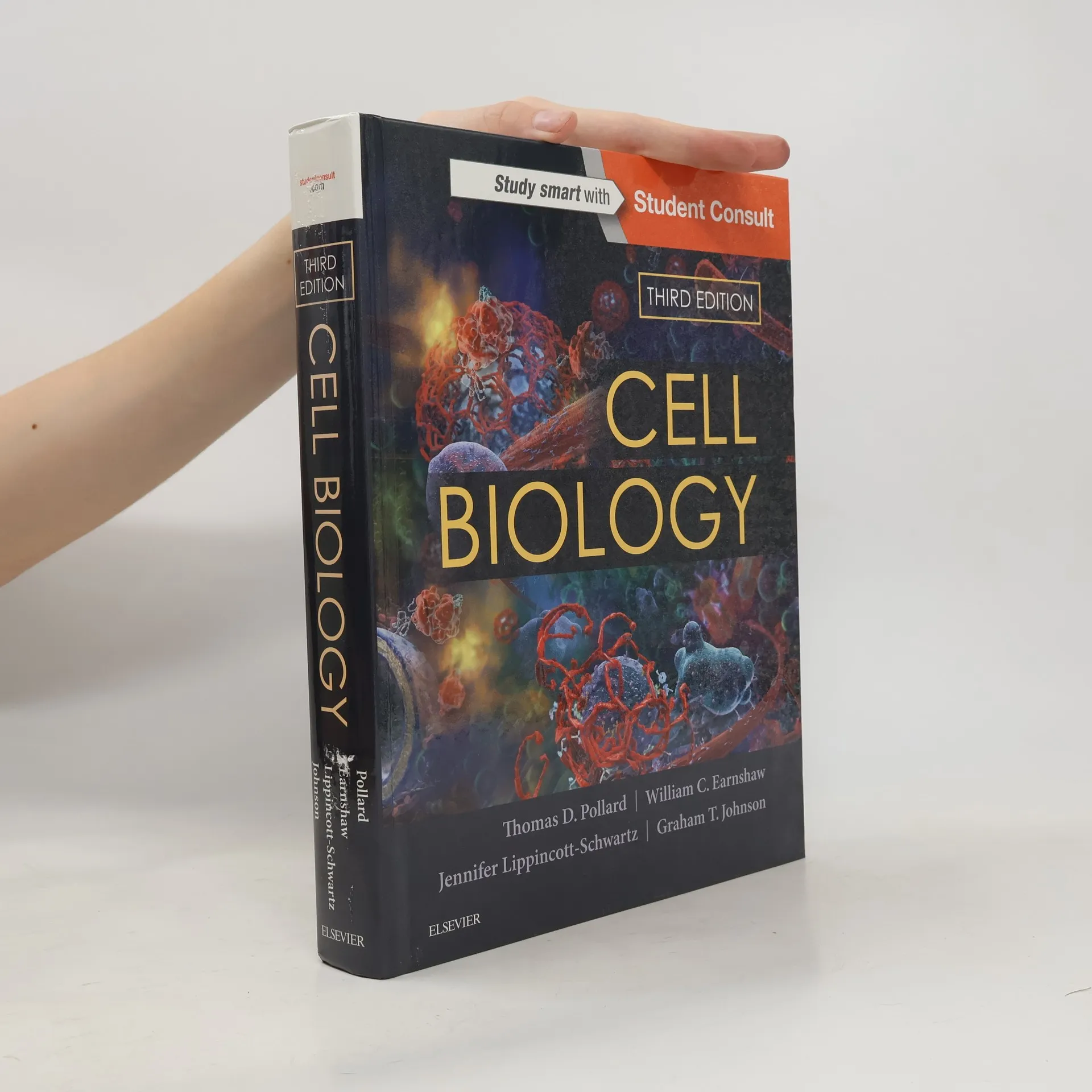
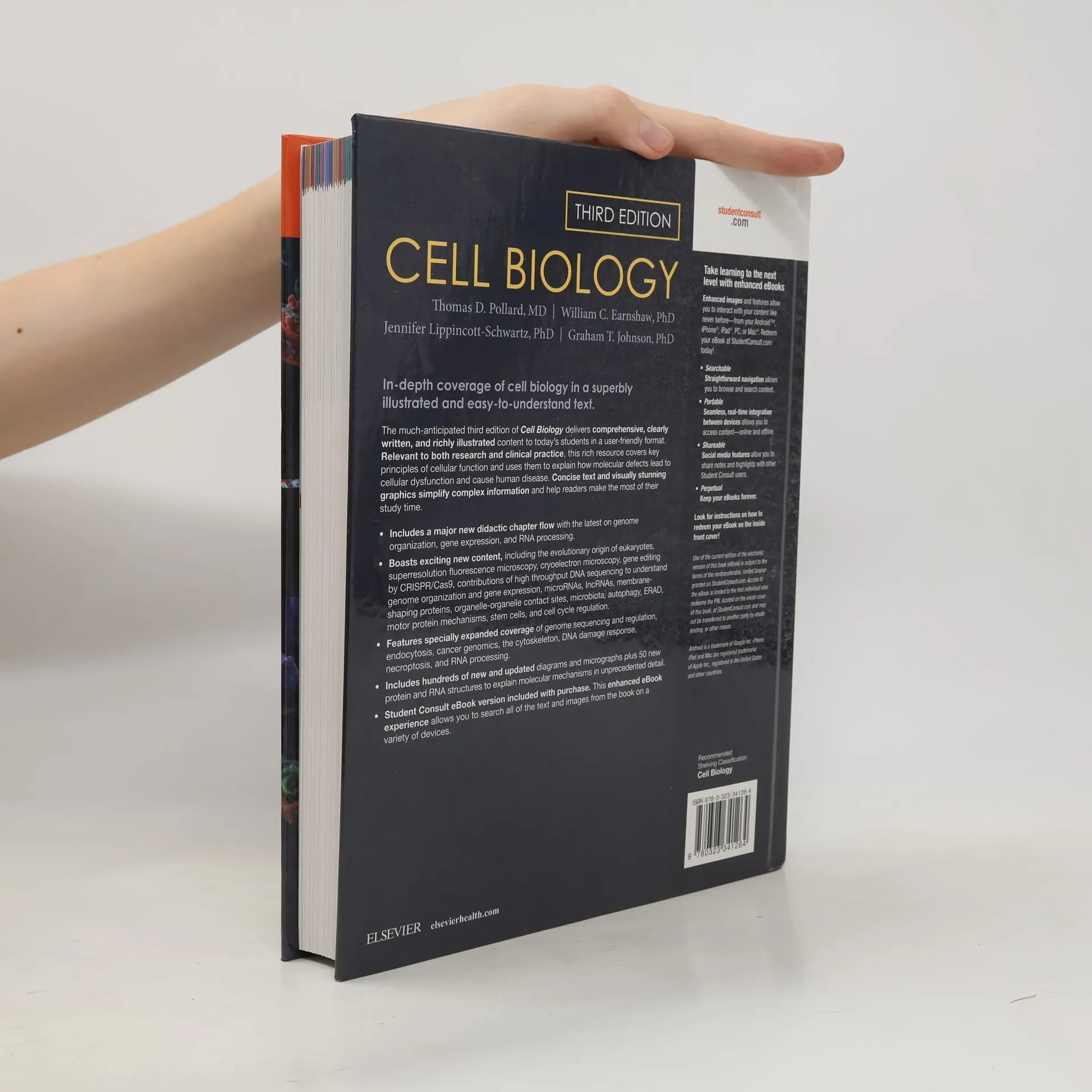
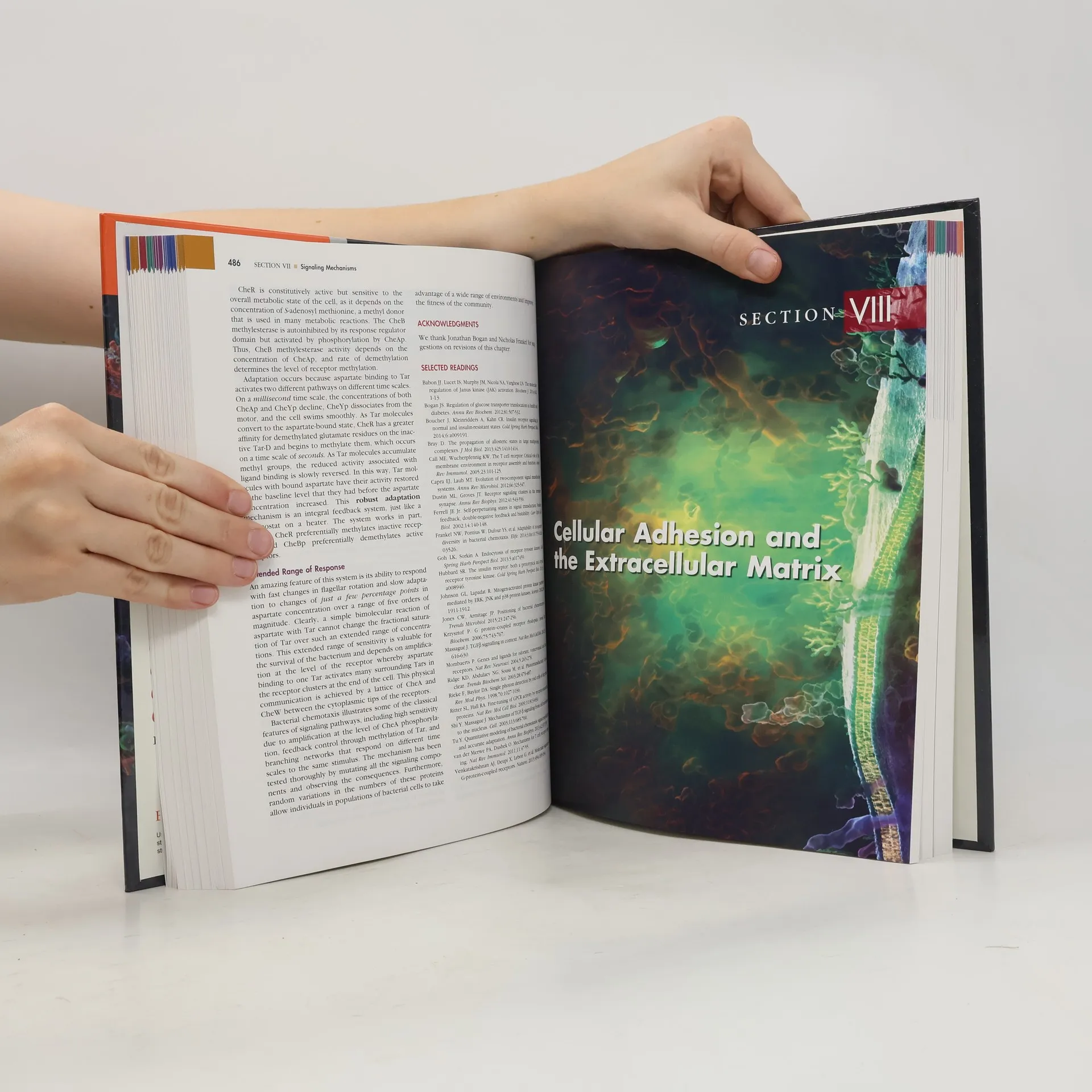
The much-anticipated 3rd edition of Cell Biology offers comprehensive, clearly written, and richly illustrated content in a user-friendly format. Relevant to both research and clinical practice, it covers key principles of cellular function and explains how molecular defects lead to cellular dysfunction and human disease. The concise text and stunning graphics simplify complex information, enhancing study efficiency. The format incorporates rich illustrations, diagrams, and charts, using real examples to clarify key concepts. The clinically oriented text connects cell biology to pathophysiology and medicine, taking a mechanistic approach to molecular processes. Major new chapters cover genome organization, gene expression, and RNA processing, alongside exciting new topics such as the evolutionary origin of eukaryotes, super resolution fluorescence microscopy, cryo-electron microscopy, and CRISPR/Cas9 gene editing. It also addresses high-throughput DNA sequencing, microRNAs, organelle contact sites, microbiota, autophagy, and cell cycle regulation. The edition features expanded coverage of genome sequencing, cancer genomics, and RNA processing, along with hundreds of new diagrams and micrographs. The included Student Consult eBook allows for searching text, figures, images, and animations across various devices.


Compra de libros
Cell Biology, Thomas Dean Pollard, William C. Earnshaw, Jennifer Lippincott Schwartz, Graham T. Johnson MA PhD CMI
- Idioma

- Publicado en
- 2016
- product-detail.submit-box.info.binding
- (Tapa dura)
Métodos de pago
Nos falta tu reseña aquí
- Título
- Cell Biology
- Subtítulo
- Third Edition
- Idioma
- Inglés
- Autores
- Thomas Dean Pollard, William C. Earnshaw, Jennifer Lippincott Schwartz, Graham T. Johnson MA PhD CMI
- Editorial
- Elsevier
- Publicado en
- 2016
- Formato
- Tapa dura
- Páginas
- 908
- ISBN10
- 0323341268
- ISBN13
- 9780323341264
- Serie
- Etiquetas
- No ficción, Libros de texto, Ciencia y Matemáticas, Ciencias naturales, Ciencia, Libros de texto de biología
- Calificación
- 4,2 de 5
- Descripción
- The much-anticipated 3rd edition of Cell Biology offers comprehensive, clearly written, and richly illustrated content in a user-friendly format. Relevant to both research and clinical practice, it covers key principles of cellular function and explains how molecular defects lead to cellular dysfunction and human disease. The concise text and stunning graphics simplify complex information, enhancing study efficiency. The format incorporates rich illustrations, diagrams, and charts, using real examples to clarify key concepts. The clinically oriented text connects cell biology to pathophysiology and medicine, taking a mechanistic approach to molecular processes. Major new chapters cover genome organization, gene expression, and RNA processing, alongside exciting new topics such as the evolutionary origin of eukaryotes, super resolution fluorescence microscopy, cryo-electron microscopy, and CRISPR/Cas9 gene editing. It also addresses high-throughput DNA sequencing, microRNAs, organelle contact sites, microbiota, autophagy, and cell cycle regulation. The edition features expanded coverage of genome sequencing, cancer genomics, and RNA processing, along with hundreds of new diagrams and micrographs. The included Student Consult eBook allows for searching text, figures, images, and animations across various devices.