

Más información sobre el libro
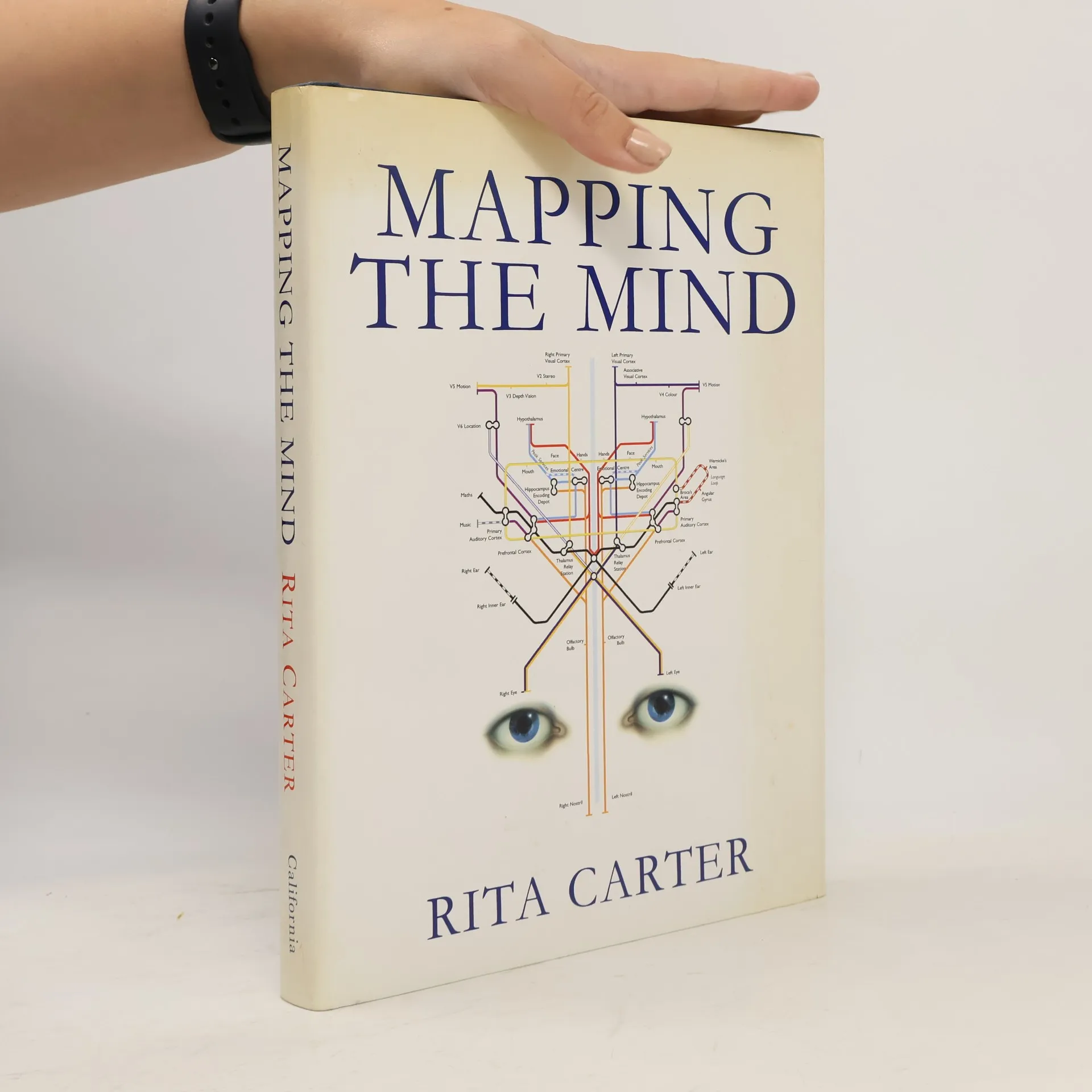
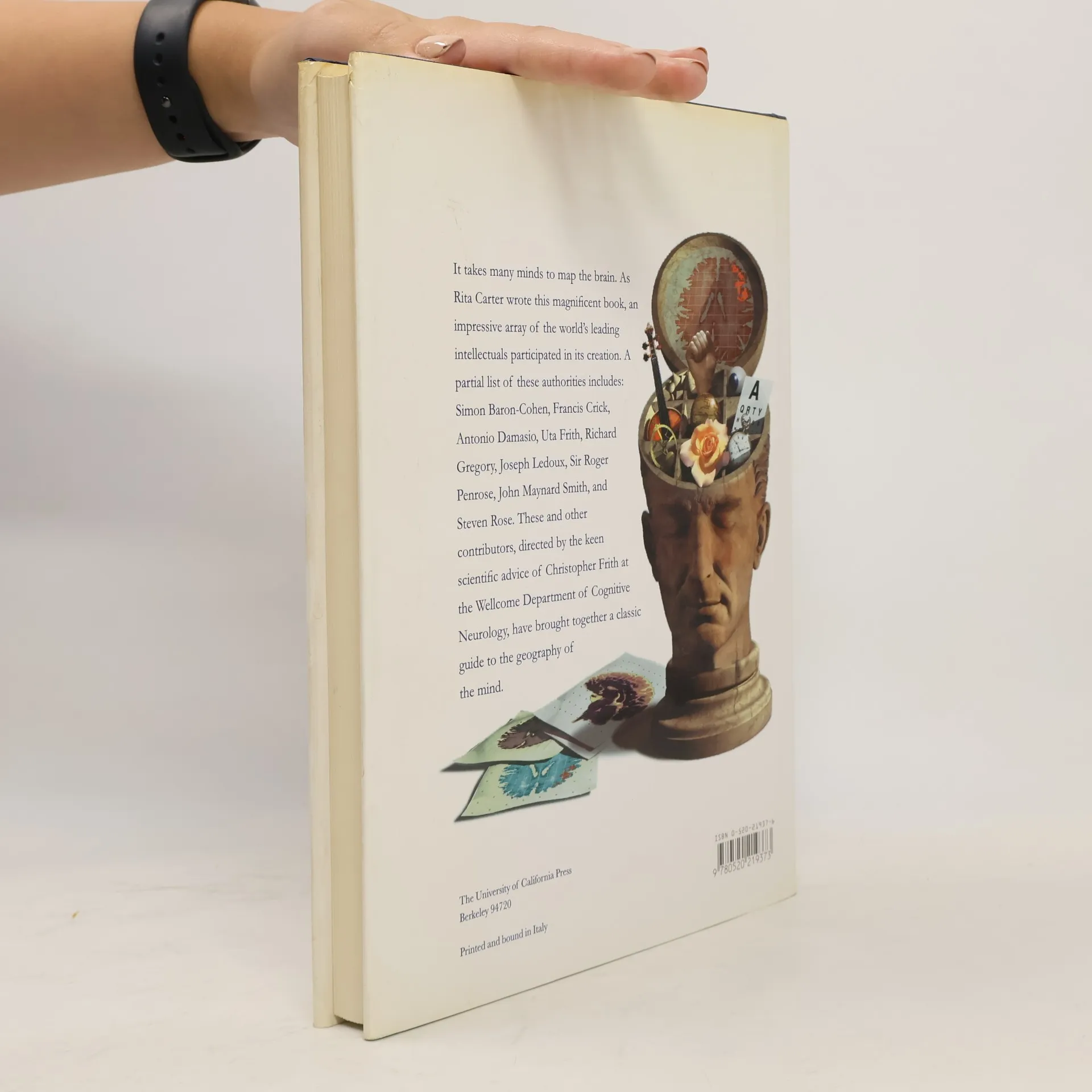
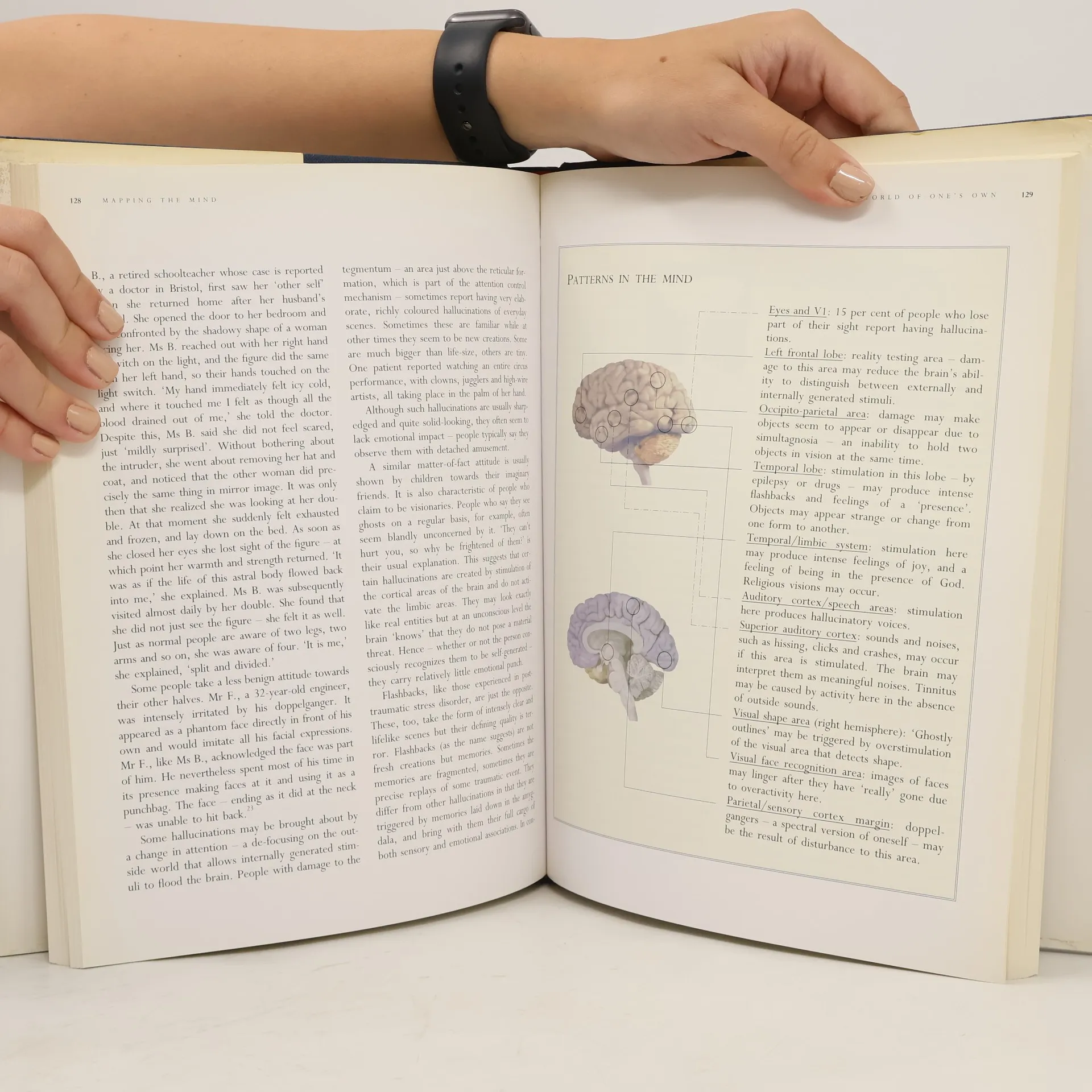
Today, brain scans reveal our thoughts, moods, and memories as clearly as X-rays reveal bones. We can observe a brain registering a joke or recalling a painful memory. Drawing on advanced imaging technology and insights from distinguished scientists, Rita Carter explores the human brain's geography. Her clear, accessible, and witty writing, complemented by 150 illustrations—mostly in color—serves as an illustrated guide to the remarkable, coconut-sized, wrinkled gray mass within our heads. The book charts how human behavior and culture are shaped by the brain's landscape. Carter demonstrates how our personalities reflect the biological mechanisms behind thought and emotion, linking behavioral quirks to individual brain abnormalities. For instance, obsessions and compulsions may arise from a stuck neural switch monitoring environmental danger, while addictions are tied to dysfunction in the brain's reward system. Even religious experiences are connected to specific brain activity. Additionally, the book delves into differences between male and female brains, the concept of a "gay brain," and conditions like dyslexia, autism, and mania. Carter emphasizes that actions stem from perceptions shaped by brain activity influenced by genetics and environment. While addressing free will, she suggests that future generations may harness our growing understanding of the brain to enhance positive mental qualities and eliminate destructive



Compra de libros
Mapping the Mind, Rita Carter, Christopher D. Frith
- Idioma

- Publicado en
- 1998
- Encuadernación
- (Tapa dura)
Métodos de pago
Nos falta tu reseña aquí
- Título
- Mapping the Mind
- Idioma
- Inglés
- Autores
- Rita Carter, Christopher D. Frith
- Editorial
- University of California Press
- Publicado en
- 1998
- Formato
- Tapa dura
- Páginas
- 224
- ISBN10
- 0520219376
- ISBN13
- 9780520219373
- Serie
- Categorías
- Etiquetas
- Salud & Medicina, Temas psicológicos, Ciencia, Salud, Medicina, Neurociencia, Cerebro
- Título original
- Mapping the mind
- Calificación
- 4,1 de 5
- Descripción
- Today, brain scans reveal our thoughts, moods, and memories as clearly as X-rays reveal bones. We can observe a brain registering a joke or recalling a painful memory. Drawing on advanced imaging technology and insights from distinguished scientists, Rita Carter explores the human brain's geography. Her clear, accessible, and witty writing, complemented by 150 illustrations—mostly in color—serves as an illustrated guide to the remarkable, coconut-sized, wrinkled gray mass within our heads. The book charts how human behavior and culture are shaped by the brain's landscape. Carter demonstrates how our personalities reflect the biological mechanisms behind thought and emotion, linking behavioral quirks to individual brain abnormalities. For instance, obsessions and compulsions may arise from a stuck neural switch monitoring environmental danger, while addictions are tied to dysfunction in the brain's reward system. Even religious experiences are connected to specific brain activity. Additionally, the book delves into differences between male and female brains, the concept of a "gay brain," and conditions like dyslexia, autism, and mania. Carter emphasizes that actions stem from perceptions shaped by brain activity influenced by genetics and environment. While addressing free will, she suggests that future generations may harness our growing understanding of the brain to enhance positive mental qualities and eliminate destructive