



Parámetros
- 256 páginas
- 9 horas de lectura
Más información sobre el libro
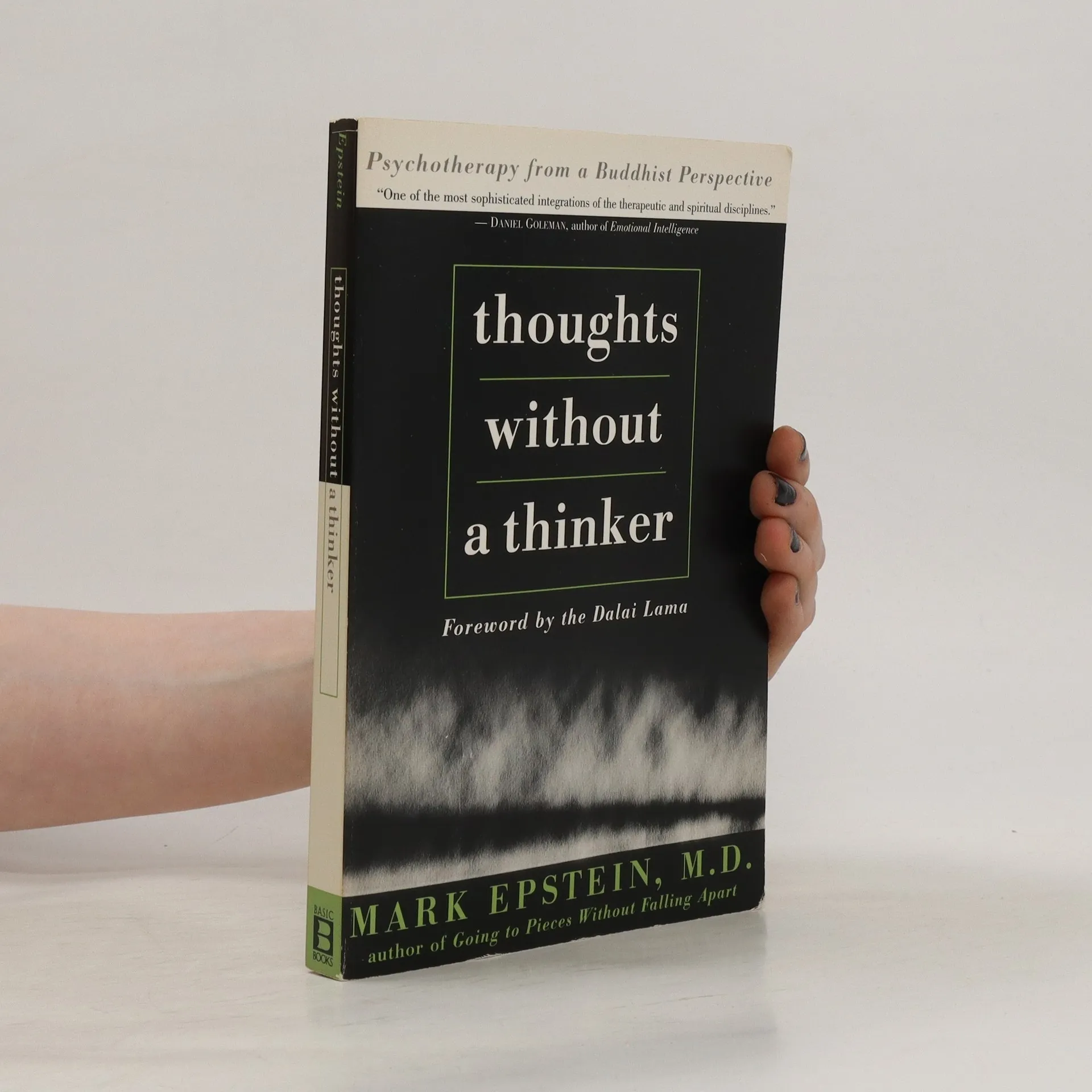
Traditional distinctions between matters of the mind and matters of the spirit are increasingly being questioned, and people are searching for alternate perspectives on these issues. Thoughts Without a Thinker is a major contribution to today's exploding discussion of how Eastern spirituality can enhance Western psychology. In it, Mark Epstein argues that the contemplative traditions of the East can be extremely beneficial to patients, not just in helping them recognize their problems, but by giving them the strength to heal. Clearly written and very accessible, this enlightening guide explains the unique psychological contributions of the teachings of Buddhism, describes the path of meditation in contemporary psychological language, and lays out the possibility of a meditation-inspired psychotherapy.






Compra de libros
Thoughts Without A Thinker, Mark Epstein
- Idioma

- Publicado en
- 1996
- product-detail.submit-box.info.binding
- (Tapa blanda)
Métodos de pago
Nos falta tu reseña aquí
- Idioma
- Inglés
- Autores
- Mark Epstein
- Editorial
- Basic Books
- Publicado en
- 1996
- Formato
- Tapa blanda
- Páginas
- 256
- ISBN10
- 0465085857
- ISBN13
- 9780465085859
- Serie
- Etiquetas
- No ficción, Ciencias sociales, Esoterismo y religión, Autoayuda, Temas psicológicos, Temas religiosos, Temática filosófica, Religión, Filosofía, Espiritualidad y Religión, Budismo
- Primera publicación
- 1995
- Título original
- Thoughts without a Thinker
- Calificación
- 3,95 de 5
- Descripción
- Traditional distinctions between matters of the mind and matters of the spirit are increasingly being questioned, and people are searching for alternate perspectives on these issues. Thoughts Without a Thinker is a major contribution to today's exploding discussion of how Eastern spirituality can enhance Western psychology. In it, Mark Epstein argues that the contemplative traditions of the East can be extremely beneficial to patients, not just in helping them recognize their problems, but by giving them the strength to heal. Clearly written and very accessible, this enlightening guide explains the unique psychological contributions of the teachings of Buddhism, describes the path of meditation in contemporary psychological language, and lays out the possibility of a meditation-inspired psychotherapy.