

Parámetros
- 400 páginas
- 14 horas de lectura
Más información sobre el libro
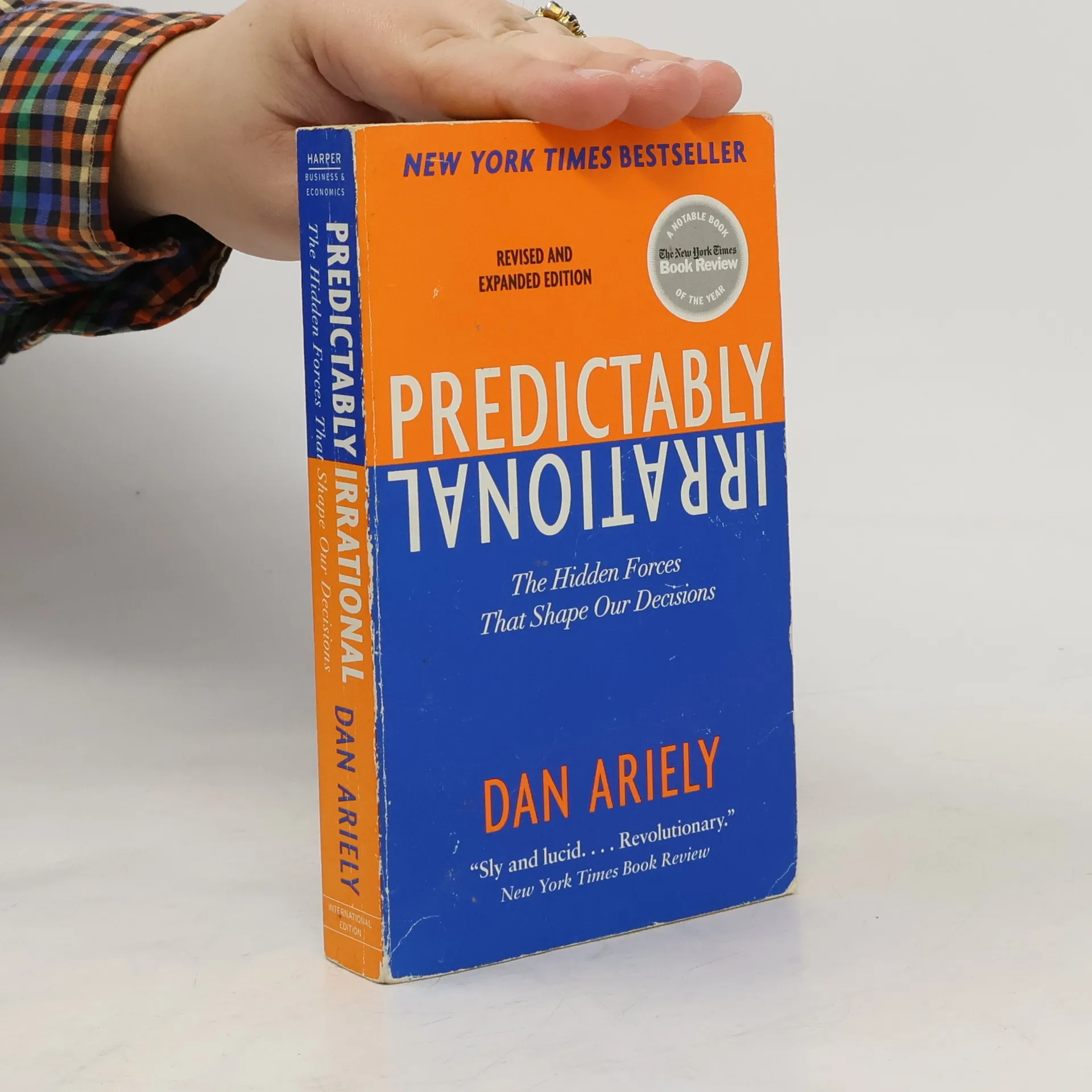
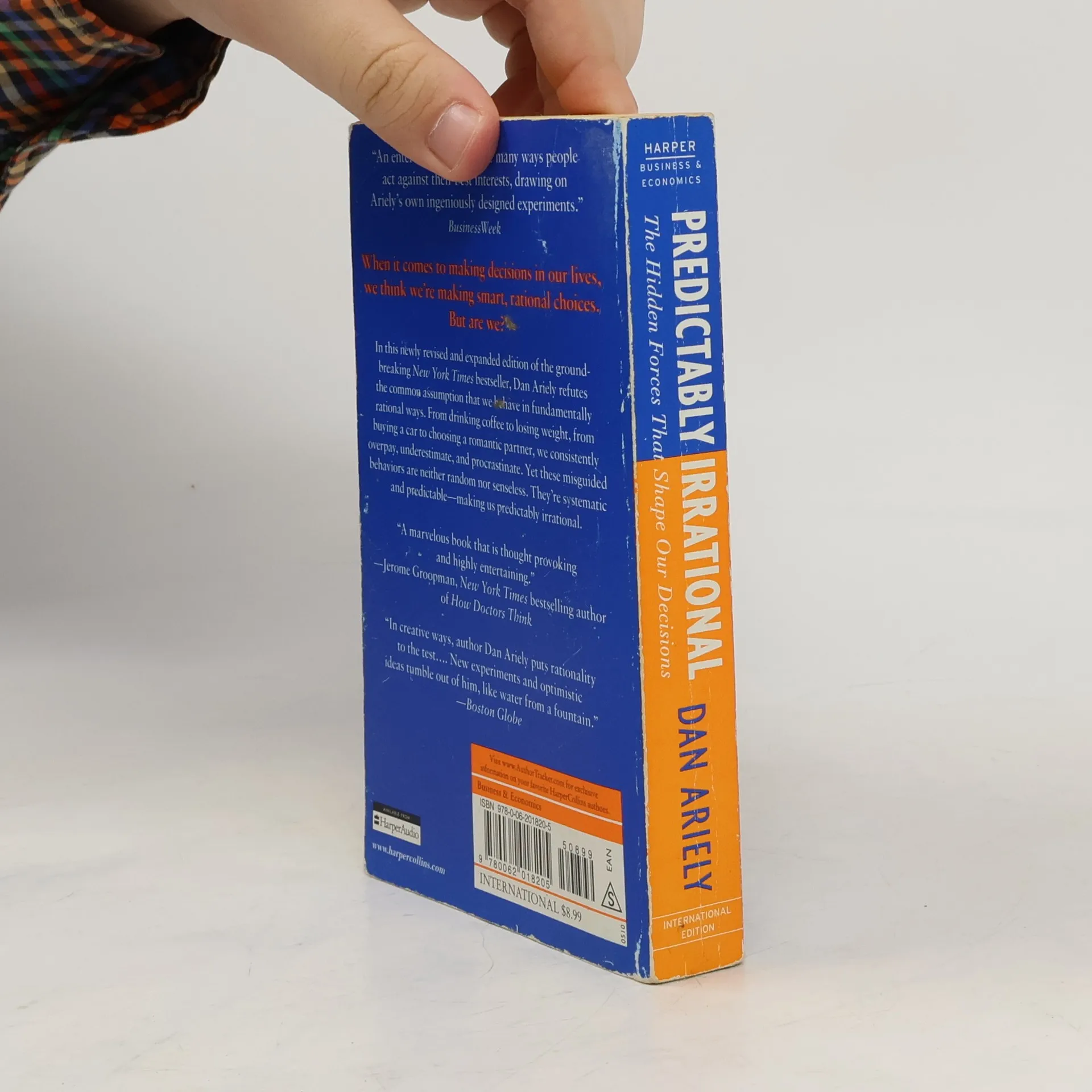
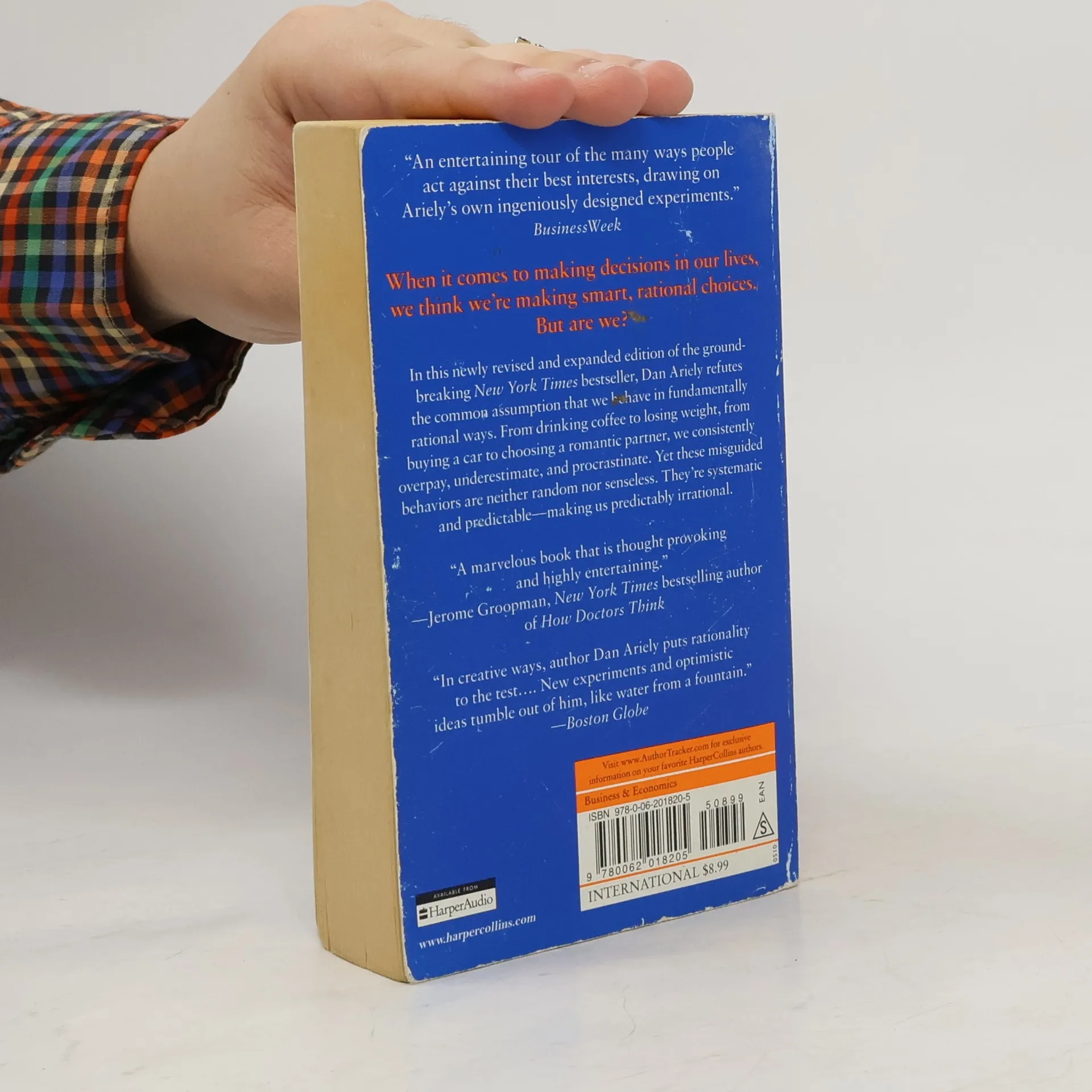
Why do our headaches persist after we take a one-cent aspirin but disappear when we take a fifty-cent aspirin? Why do we splurge on a lavish meal but cut coupons to save twenty-five cents on a can of soup? When it comes to making decisions in our lives, we think we're making smart, rational choices. But are we? In this newly revised and expanded edition of the groundbreaking New York Times bestseller, Dan Ariely refutes the common assumption that we behave in fundamentally rational ways. From drinking coffee to losing weight, from buying a car to choosing a romantic partner, we consistently overpay, underestimate, and procrastinate. Yet these misguided behaviors are neither random nor senseless. They're systematic and predictable—making us predictably irrational.




Compra de libros
Predictably irrational, Dan Ariely
- Idioma

- Publicado en
- 2010
- product-detail.submit-box.info.binding
- (Tapa blanda),
- Estado del libro
- Dañado
- Precio
- 4,13 €
Métodos de pago
Nos falta tu reseña aquí
- Título
- Predictably irrational
- Subtítulo
- The hidden forces that shape our decisions
- Idioma
- Inglés
- Autores
- Dan Ariely
- Editorial
- Harper
- Publicado en
- 2010
- Formato
- Tapa blanda
- Páginas
- 400
- ISBN10
- 0062018205
- ISBN13
- 9780062018205
- Serie
- Etiquetas
- No ficción, Ciencias sociales, Comercio, Negocios & Gestión, Autoayuda, Temas psicológicos, Desarrollo personal, Ciencia, Sociología, Regalos para mujeres, Publicaciones de divulgación científica, Sabiduría de vida, Comportamiento, etología, Toma de Decisiones, Intuición, Racionalidad, Economía del comportamiento
- Primera publicación
- 2008
- Título original
- Predictably Irrational
- Calificación
- 4,05 de 5
- Descripción
- Why do our headaches persist after we take a one-cent aspirin but disappear when we take a fifty-cent aspirin? Why do we splurge on a lavish meal but cut coupons to save twenty-five cents on a can of soup? When it comes to making decisions in our lives, we think we're making smart, rational choices. But are we? In this newly revised and expanded edition of the groundbreaking New York Times bestseller, Dan Ariely refutes the common assumption that we behave in fundamentally rational ways. From drinking coffee to losing weight, from buying a car to choosing a romantic partner, we consistently overpay, underestimate, and procrastinate. Yet these misguided behaviors are neither random nor senseless. They're systematic and predictable—making us predictably irrational.