


Más información sobre el libro
"This Norton Critical Edition of Dracula is based on Bram Stoker's original British edition, published in 1897. The epistolary novel is told through journal entries and letters starting with Jonathan Harker, a young English lawyer, who travels to finalize a property transaction with the infamous and widely feared Count Dracula. "Contexts" includes a full view into the background of the story, including selections on Transylvanian superstitions and the vampire genre. "Reviews and Reactions" presents readers with nineteenth century reactions in periodicals and from contemporaries. "Dramatic and Film Variations" explores how Dracula has been adapted for the stage and screen throughout the twentieth and twenty-first centujries. "Criticism" explores themes and theories, ranging from the idea of anxiety of reverse colonization and the sexualization of women in the novel. A selected bibliography is also included"--


Publicación



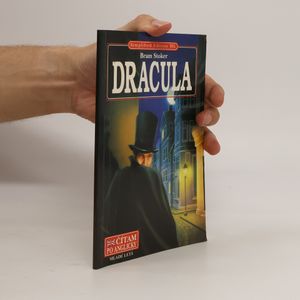

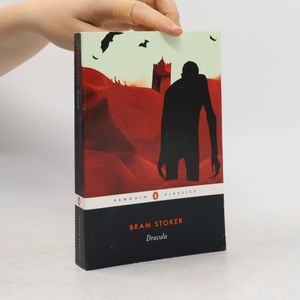

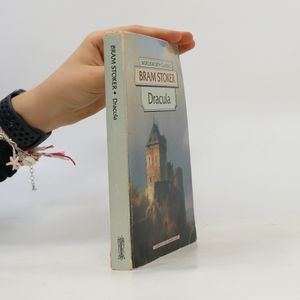
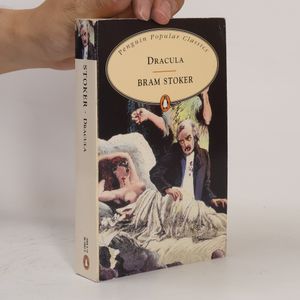
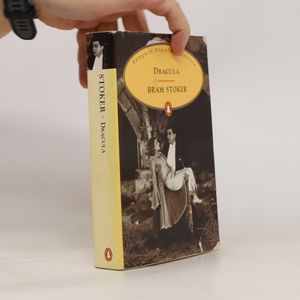

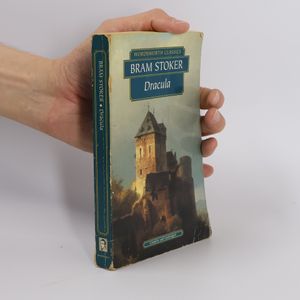
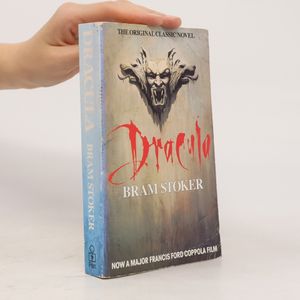
- 2025


- 2024
- 2024

- 2024
- 2024
- 2024
- 2024
- 2024
- 2024


- 2023
- 2023
- 2023
- 2023
- 2023
- 2023
- 2023
- 2023
- 2023
- 2023
- 2023
- 2023
- 2023


- 2022
- 2022
- 2022
- 2022
- 2022
- 2022
- 2022
- 2022
- 2022
- 2021
- 2021
- 2021
- 2021
- 2021
- 2021
- 2021
- 2021
- 2021
- 2021
- 2021
- 2021
- 2020
- 2020

- 2020
- 2020
- 2020
- 2020
- 2020
- 2020
- 2020
- 2020
- 2020
- 2020
- 2020
- 2020
- 2020
- 2020
- 2020
- 2020
- 2020

- 2019


- 2019
- 2019
- 2019

- 2019
- 2019
- 2019
- 2019
- 2019
- 2019
- 2019
- 2019
- 2019
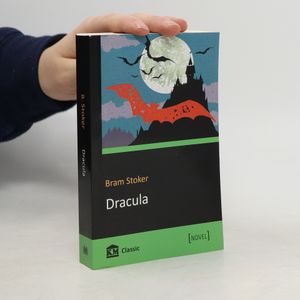

- 2018

- 2018
- 2018
- 2018
- 2018
- 2018
- 2018
- 2018
- 2017
- 2017
- 2017
- 2017
- 2017



- 2016
- 2016
- 2016


- 2015
- 2015

- 2015
- 2015


- 2014
- 2014
- 2014
- 2014
- 2014
- 2014
- 2014

- 2013
- 2013
- 2013
- 2013




- 2012
- 2012
- 2012
- 2012
- 2012
- 2012


- 2011
- 2011
- 2011
- 2011
- 2011
- 2011

- 2010
- 2010
- 2010
- 2010




- 2009
- 2009
- 2009
- 2009
- 2009
- 2009
- 2009
- 2009



- 2008



- 2007
- 2007



- 2005
- 2005


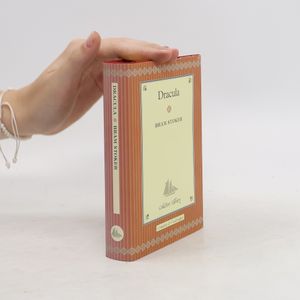

- 2003

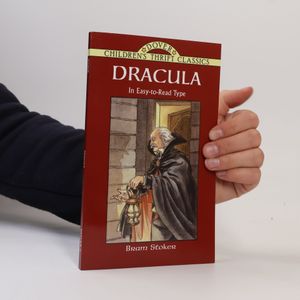

- 2001


- 2000



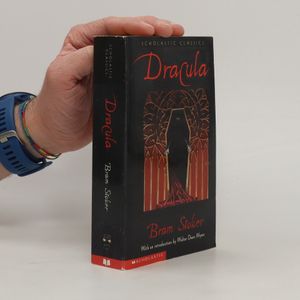


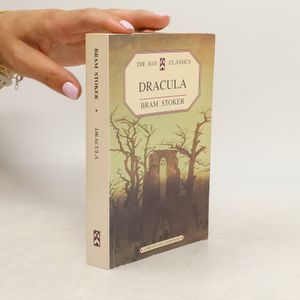
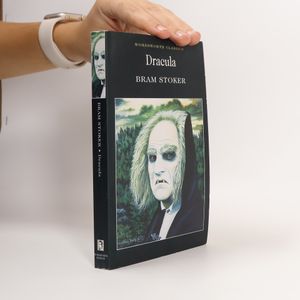

- 1997
- 1997


- 1996
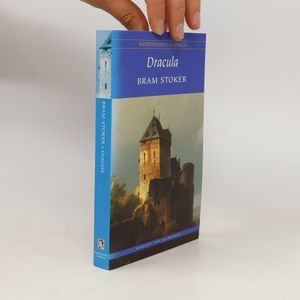





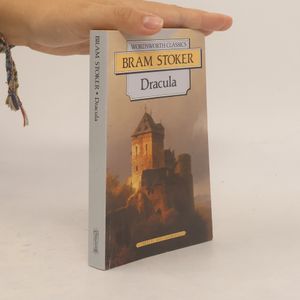
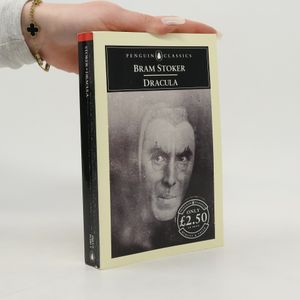
- 1993



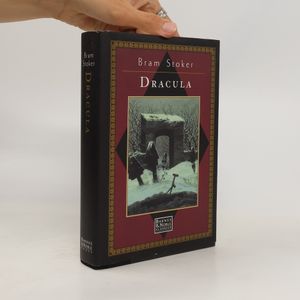


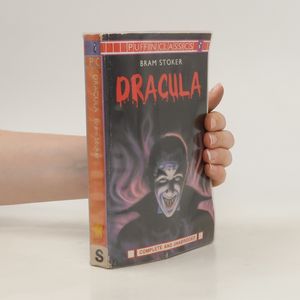


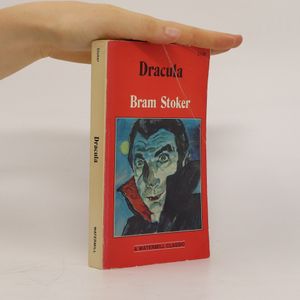
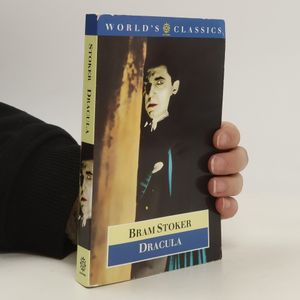

- 1982











Compra de libros
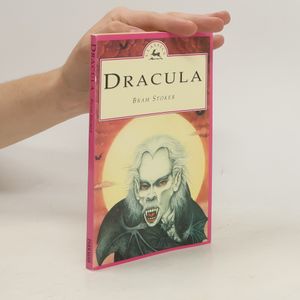
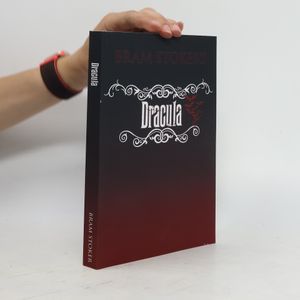
Dracula, Bram Stoker
- Idioma

- Publicado en
- 2021
- Encuadernación
- (Tapa blanda)
Métodos de pago
Nos falta tu reseña aquí
- Título
- Dracula
- Idioma
- Inglés
- Autores
- Bram Stoker
- Editorial
- WW Norton & Co
- Publicado en
- 2021
- Formato
- Tapa blanda
- Páginas
- 600
- ISBN10
- 0393679209
- ISBN13
- 9780393679205
- Serie
- Etiquetas
- Fantasía, Clásicos, Suspense, Terror, Fenómenos sobrenaturales, Siglo XIX, Seres sobrenaturales, Inglaterra, Regalos para hombres, Gran Bretaña, Secretos, Literatura inglesa, Adaptada al cine, Vampiros, Misterioso, Gótica, Terror gótico, Sangre, Rumanía, Drácula, Vampirismo, Fantasía victoriana, Transilvania (Sibiu)
- Primera publicación
- 1897
- Título original
- Dracula
- Calificación
- 4,05 de 5
- Descripción
- "This Norton Critical Edition of Dracula is based on Bram Stoker's original British edition, published in 1897. The epistolary novel is told through journal entries and letters starting with Jonathan Harker, a young English lawyer, who travels to finalize a property transaction with the infamous and widely feared Count Dracula. "Contexts" includes a full view into the background of the story, including selections on Transylvanian superstitions and the vampire genre. "Reviews and Reactions" presents readers with nineteenth century reactions in periodicals and from contemporaries. "Dramatic and Film Variations" explores how Dracula has been adapted for the stage and screen throughout the twentieth and twenty-first centujries. "Criticism" explores themes and theories, ranging from the idea of anxiety of reverse colonization and the sexualization of women in the novel. A selected bibliography is also included"--