

Más información sobre el libro
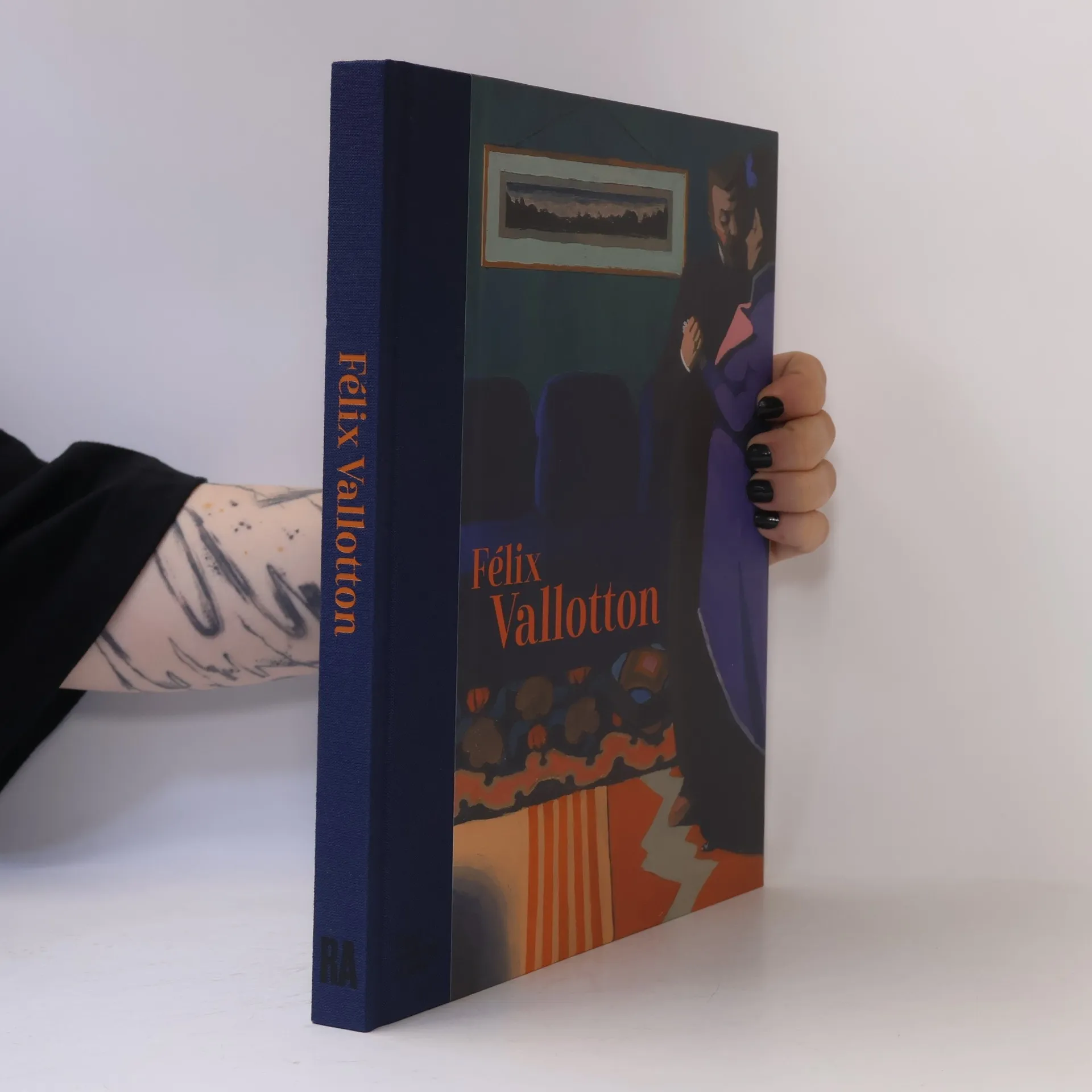
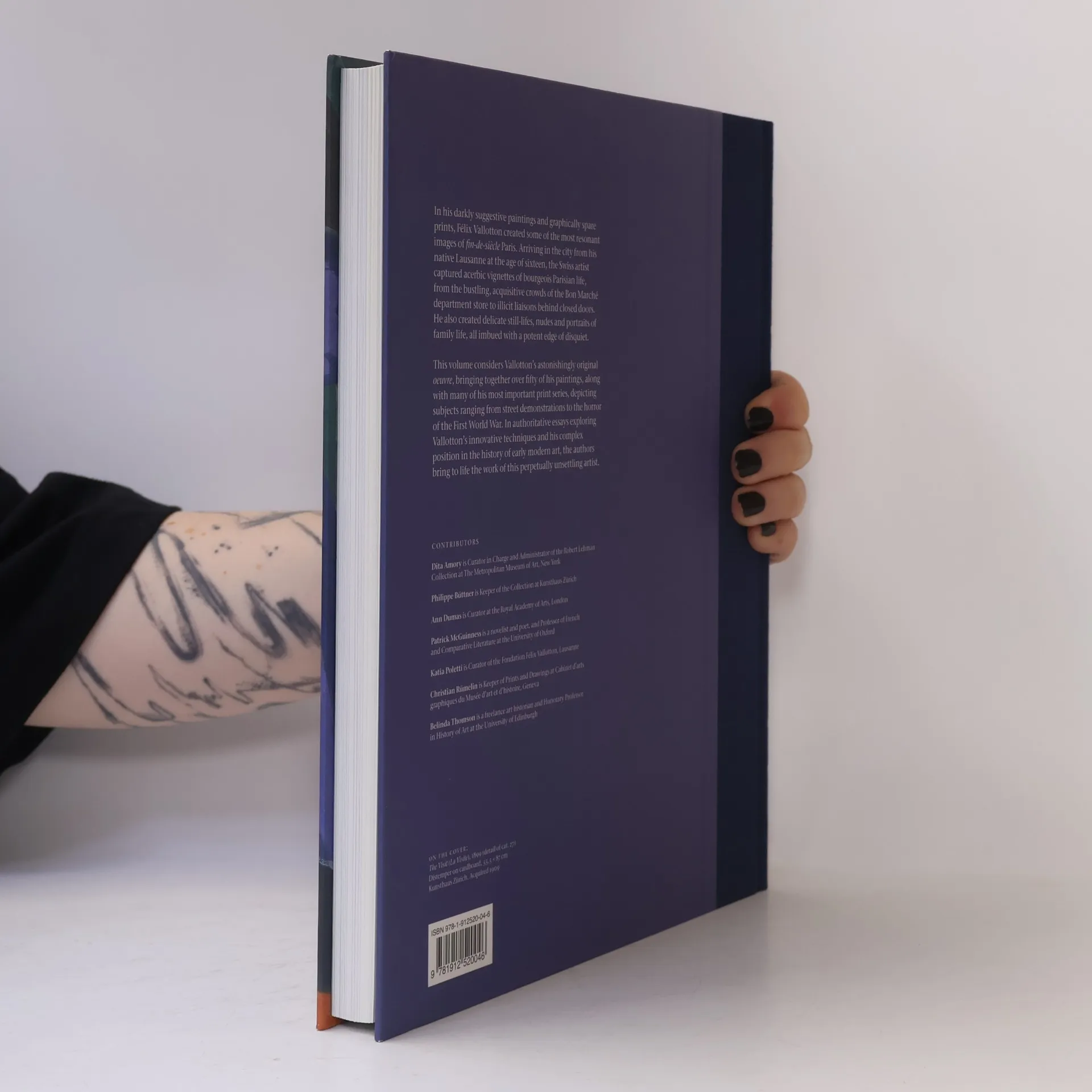
Vallotton’s vivid and sometimes unsettling paintings and woodcuts positioned him as a key commentator on the social mores of fin-de-siècle Paris. By the late 19th century, Paris had become the capital of the Western art world, with Impressionism transforming visual arts and post-impressionism flourishing. The city’s modernization, marked by new boulevards and parks, created a vibrant atmosphere for entertainment and consumption, and artists were seen as the avant-garde of society. At 16, Félix Vallotton joined the Nabis, a group that included Pierre Bonnard and Edouard Vuillard. He embraced their decorative style while also drawing inspiration from journalistic illustration and Japanese ukiyo-e prints. Vallotton's works provided witty yet unsettling insights into domestic and political life, establishing him as one of the greatest printmakers of his time. His later style, characterized by sharp realism and cool linearity, made him a distinctive figure in early 20th-century art. This book, richly illustrated with Vallotton’s finest works, accompanies a new exhibition in New York and London, featuring pieces never before seen in public. It aims to reevaluate his legacy, with texts from leading authorities exploring his life and impact. Born in Lausanne, Vallotton spent much of his career in France, where his innovative approach continued to evolve throughout his life.



Compra de libros
Félix Vallotton, Belinda Thomson, Philippe Büttner, Dita Amory, Ann Dumas, London Royal Academy of Arts, Félix Vallotton, McGuinness
- Idioma

- Publicado en
- 2019
- product-detail.submit-box.info.binding
- (Tapa dura),
- Estado del libro
- Muy Bueno
- Precio
- 55,99 €
Métodos de pago
Nos falta tu reseña aquí
- Título
- Félix Vallotton
- Idioma
- Inglés
- Autores
- Belinda Thomson, Philippe Büttner, Dita Amory, Ann Dumas, London Royal Academy of Arts, Félix Vallotton, McGuinness
- Editorial
- Royal Academy of Arts
- Publicado en
- 2019
- Formato
- Tapa dura
- Páginas
- 184
- ISBN10
- 1912520044
- ISBN13
- 9781912520046
- Serie
- Etiquetas
- No ficción, Arte / Cultura, Tema histórico, Historia, Ilustraciones
- Calificación
- 5 de 5
- Descripción
- Vallotton’s vivid and sometimes unsettling paintings and woodcuts positioned him as a key commentator on the social mores of fin-de-siècle Paris. By the late 19th century, Paris had become the capital of the Western art world, with Impressionism transforming visual arts and post-impressionism flourishing. The city’s modernization, marked by new boulevards and parks, created a vibrant atmosphere for entertainment and consumption, and artists were seen as the avant-garde of society. At 16, Félix Vallotton joined the Nabis, a group that included Pierre Bonnard and Edouard Vuillard. He embraced their decorative style while also drawing inspiration from journalistic illustration and Japanese ukiyo-e prints. Vallotton's works provided witty yet unsettling insights into domestic and political life, establishing him as one of the greatest printmakers of his time. His later style, characterized by sharp realism and cool linearity, made him a distinctive figure in early 20th-century art. This book, richly illustrated with Vallotton’s finest works, accompanies a new exhibition in New York and London, featuring pieces never before seen in public. It aims to reevaluate his legacy, with texts from leading authorities exploring his life and impact. Born in Lausanne, Vallotton spent much of his career in France, where his innovative approach continued to evolve throughout his life.