

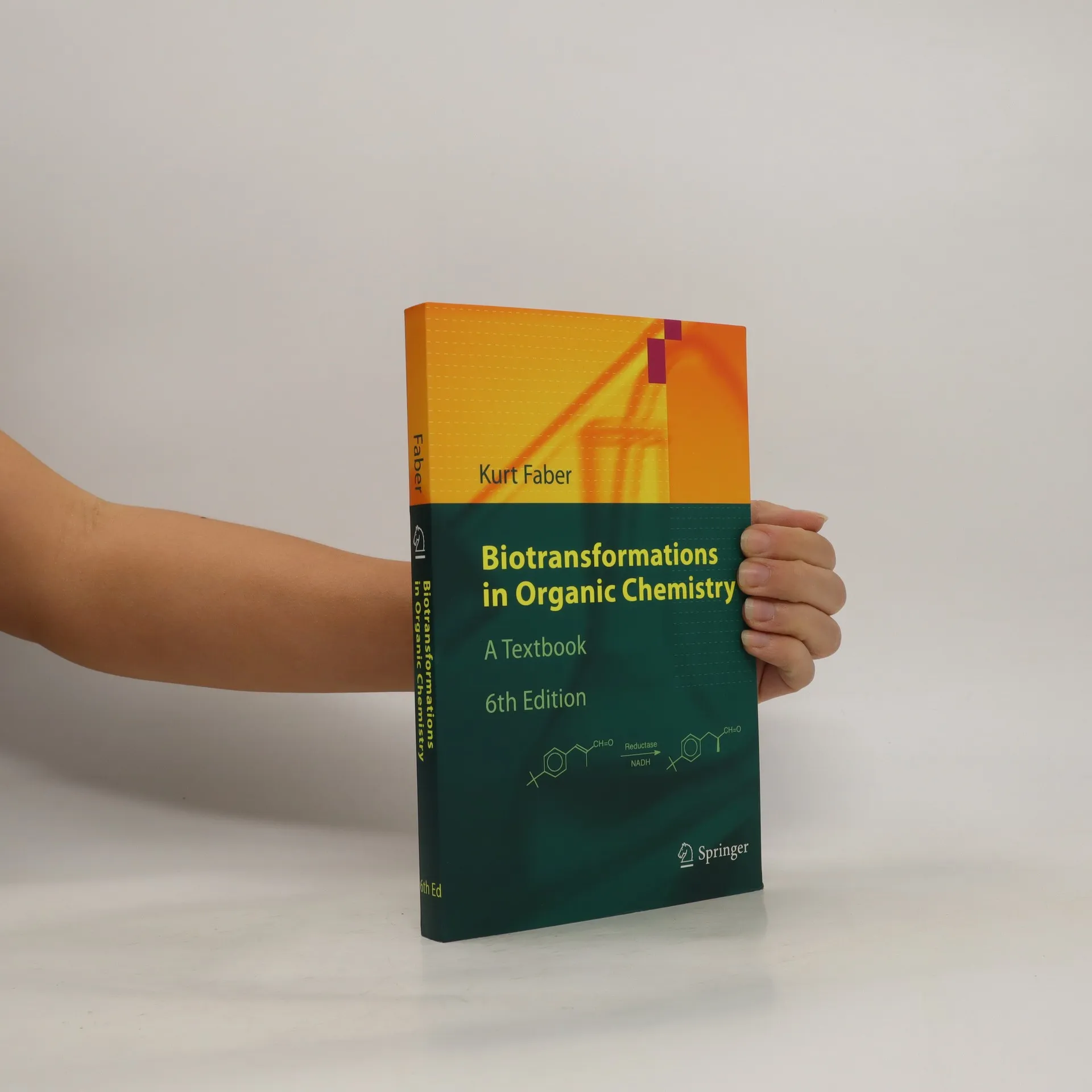
Más información sobre el libro
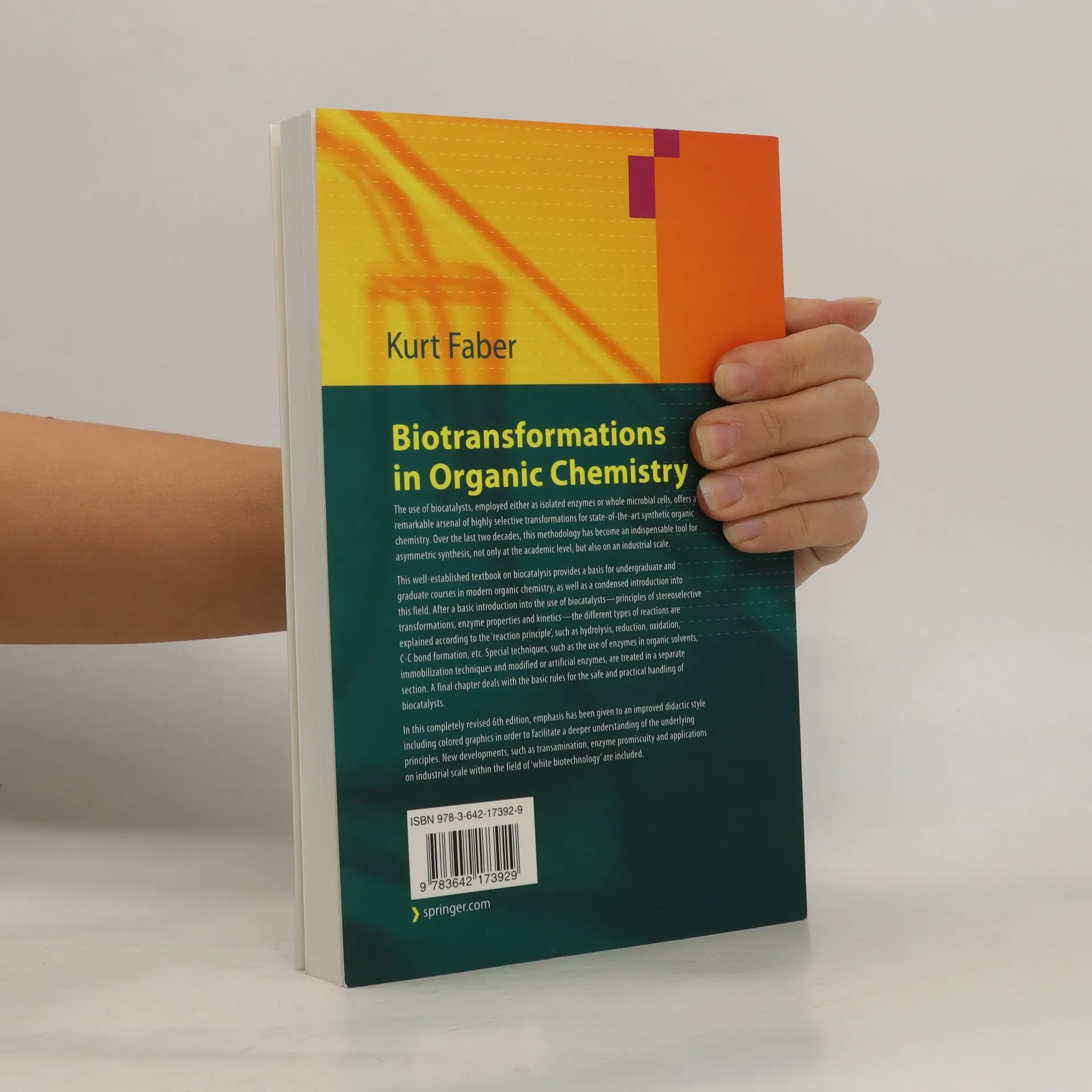
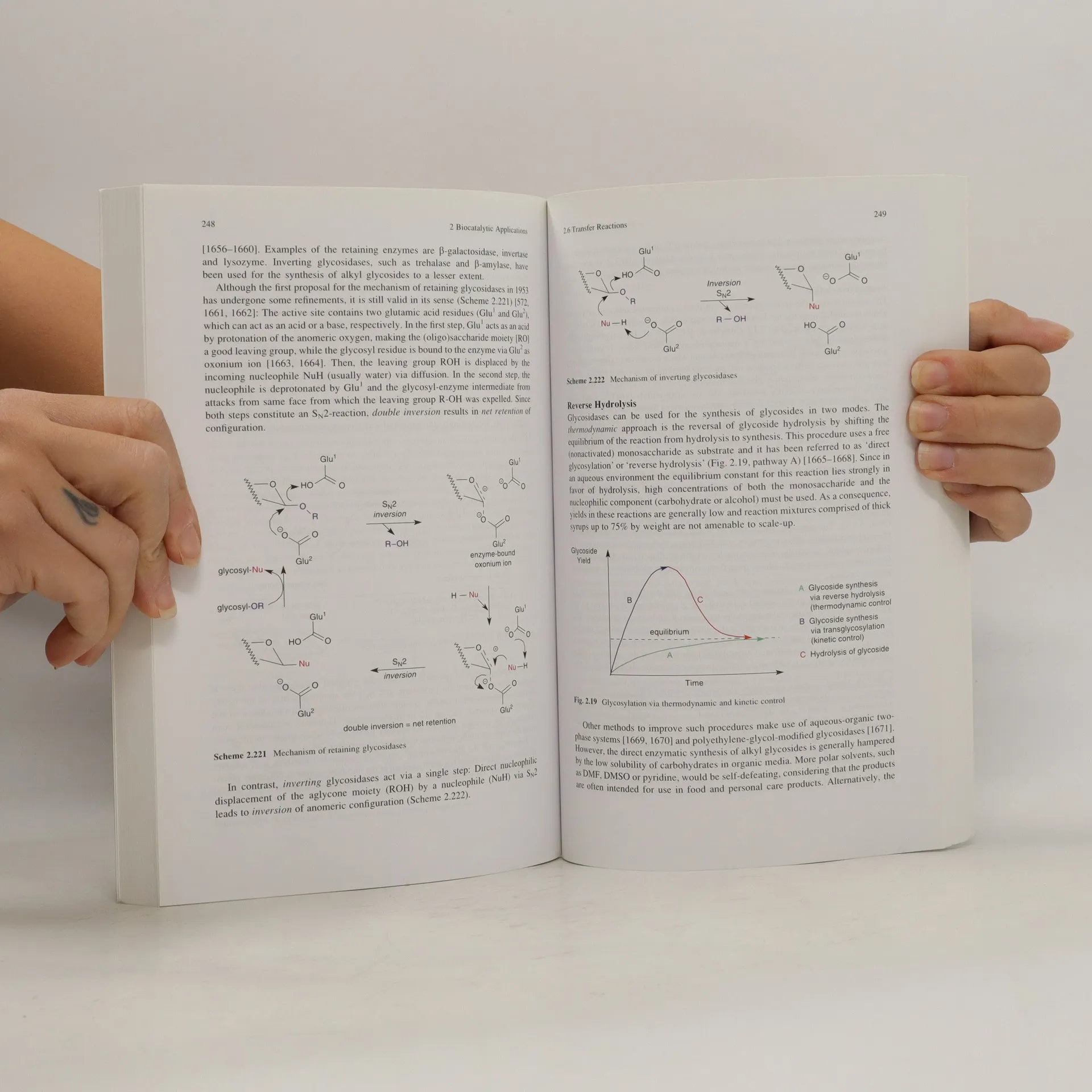
The use of biocatalysts, whether as isolated enzymes or whole microbial cells, provides highly selective transformations crucial for modern synthetic organic chemistry. Over the past two decades, this approach has become essential for asymmetric synthesis in both academic and industrial settings. This comprehensive textbook serves as a foundation for undergraduate and graduate courses in organic chemistry, offering a concise introduction to biocatalysis. It begins with basic principles, covering stereoselective transformations, enzyme properties, and kinetics, followed by an exploration of various reactions categorized by their principles, such as hydrolysis, reduction, oxidation, and C–C bond formation. Special techniques, including the use of enzymes in organic solvents, immobilization methods, and modified or artificial enzymes, are addressed in a dedicated section. A concluding chapter outlines the fundamental rules for the safe and practical handling of biocatalysts. In this thoroughly revised 6th edition, the didactic style has been enhanced with colored graphics to promote a better understanding of key concepts. Additionally, new developments such as transamination, enzyme promiscuity, and industrial applications in 'white biotechnology' are incorporated.
Compra de libros
Biotransformations in organic chemistry, Kurt Faber
- Idioma

- Publicado en
- 2011
- Encuadernación
- (Tapa blanda)
Métodos de pago
Nadie lo ha calificado todavía.
- Título
- Biotransformations in organic chemistry
- Idioma
- Inglés
- Autores
- Kurt Faber
- Editorial
- Springer
- Publicado en
- 2011
- Formato
- Tapa blanda
- ISBN10
- 3642173926
- ISBN13
- 9783642173929
- Serie
- Etiquetas
- Ciencias naturales, Libros de texto de química
- Descripción
- The use of biocatalysts, whether as isolated enzymes or whole microbial cells, provides highly selective transformations crucial for modern synthetic organic chemistry. Over the past two decades, this approach has become essential for asymmetric synthesis in both academic and industrial settings. This comprehensive textbook serves as a foundation for undergraduate and graduate courses in organic chemistry, offering a concise introduction to biocatalysis. It begins with basic principles, covering stereoselective transformations, enzyme properties, and kinetics, followed by an exploration of various reactions categorized by their principles, such as hydrolysis, reduction, oxidation, and C–C bond formation. Special techniques, including the use of enzymes in organic solvents, immobilization methods, and modified or artificial enzymes, are addressed in a dedicated section. A concluding chapter outlines the fundamental rules for the safe and practical handling of biocatalysts. In this thoroughly revised 6th edition, the didactic style has been enhanced with colored graphics to promote a better understanding of key concepts. Additionally, new developments such as transamination, enzyme promiscuity, and industrial applications in 'white biotechnology' are incorporated.