


Valoración del libro
Más información sobre el libro
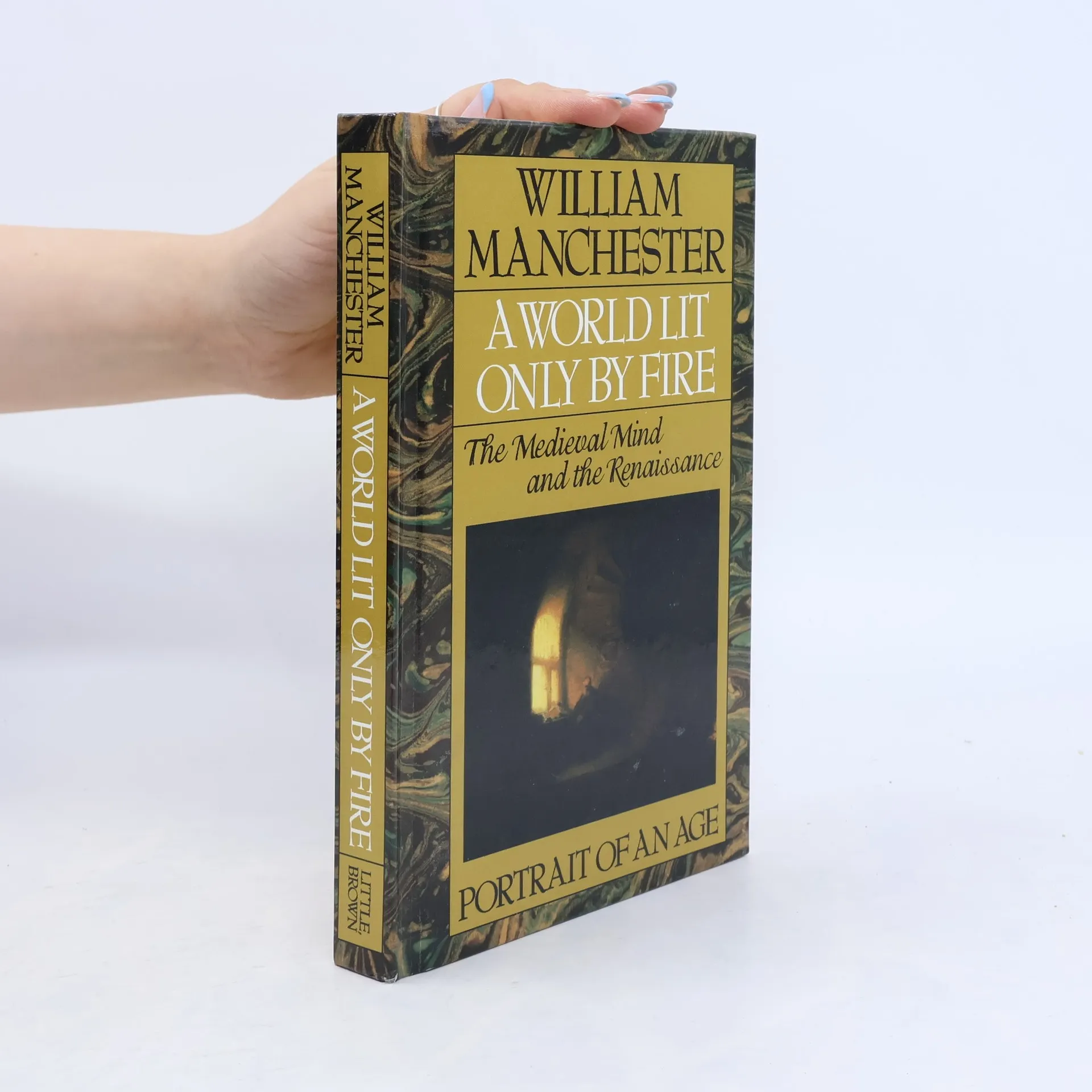
s/t: The Medieval Mind & the Renaissance-Portrait of an Age It speaks to the failure of medieval Europe, writes popular historian William Manchester, that "in the year 1500, after a thousand years of neglect, the roads built by the Romans were still the best on the continent." European powers were so absorbed in destroying each other and in suppressing peasant revolts and religious reform that they never quite got around to realizing the possibilities of contemporary innovations in public health, civil engineering, and other peaceful pursuits. Instead, they waged war in faraway lands, created and lost fortunes, and squandered millions of lives. For all the wastefulness of medieval societies, however, Manchester notes, the era created the foundation for the extraordinary creative explosion of the Renaissance. Drawing on a cast of characters numbering in the hundreds, Manchester does a solid job of reconstructing the medieval world, although some scholars may disagree with his interpretations.


Compra de libros
A World Lit Only by Fire, William Manchester
- Idioma

- Publicado en
- 1992
- product-detail.submit-box.info.binding
- (Tapa dura),
- Estado del libro
- Muy Bueno
- Precio
- 9,49 €
Métodos de pago
Nos falta tu reseña aquí
- Título
- A World Lit Only by Fire
- Subtítulo
- The Medieval Mind and the Renaissance: Portrait of an Age
- Idioma
- Inglés
- Autores
- William Manchester
- Editorial
- Little, Brown & Company
- Publicado en
- 1992
- Formato
- Tapa dura
- Páginas
- 320
- ISBN10
- 0316545317
- ISBN13
- 9780316545310
- Serie
- Etiquetas
- No ficción, Tema histórico, Historia, Medieval, Historia de Europa
- Calificación
- 3,85 de 5
- Descripción
- s/t: The Medieval Mind & the Renaissance-Portrait of an Age It speaks to the failure of medieval Europe, writes popular historian William Manchester, that "in the year 1500, after a thousand years of neglect, the roads built by the Romans were still the best on the continent." European powers were so absorbed in destroying each other and in suppressing peasant revolts and religious reform that they never quite got around to realizing the possibilities of contemporary innovations in public health, civil engineering, and other peaceful pursuits. Instead, they waged war in faraway lands, created and lost fortunes, and squandered millions of lives. For all the wastefulness of medieval societies, however, Manchester notes, the era created the foundation for the extraordinary creative explosion of the Renaissance. Drawing on a cast of characters numbering in the hundreds, Manchester does a solid job of reconstructing the medieval world, although some scholars may disagree with his interpretations.