


Parámetros
- 144 páginas
- 6 horas de lectura
Más información sobre el libro
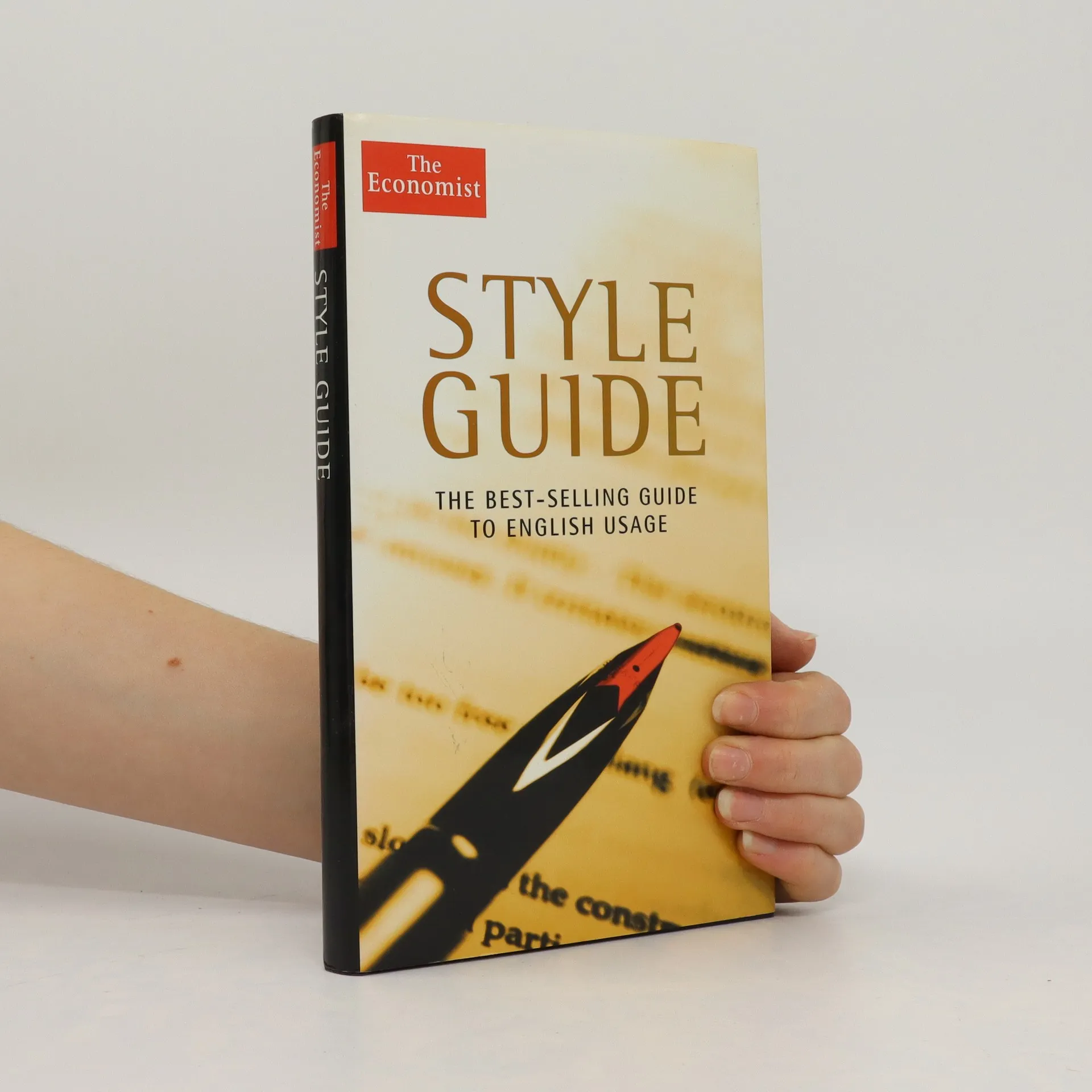
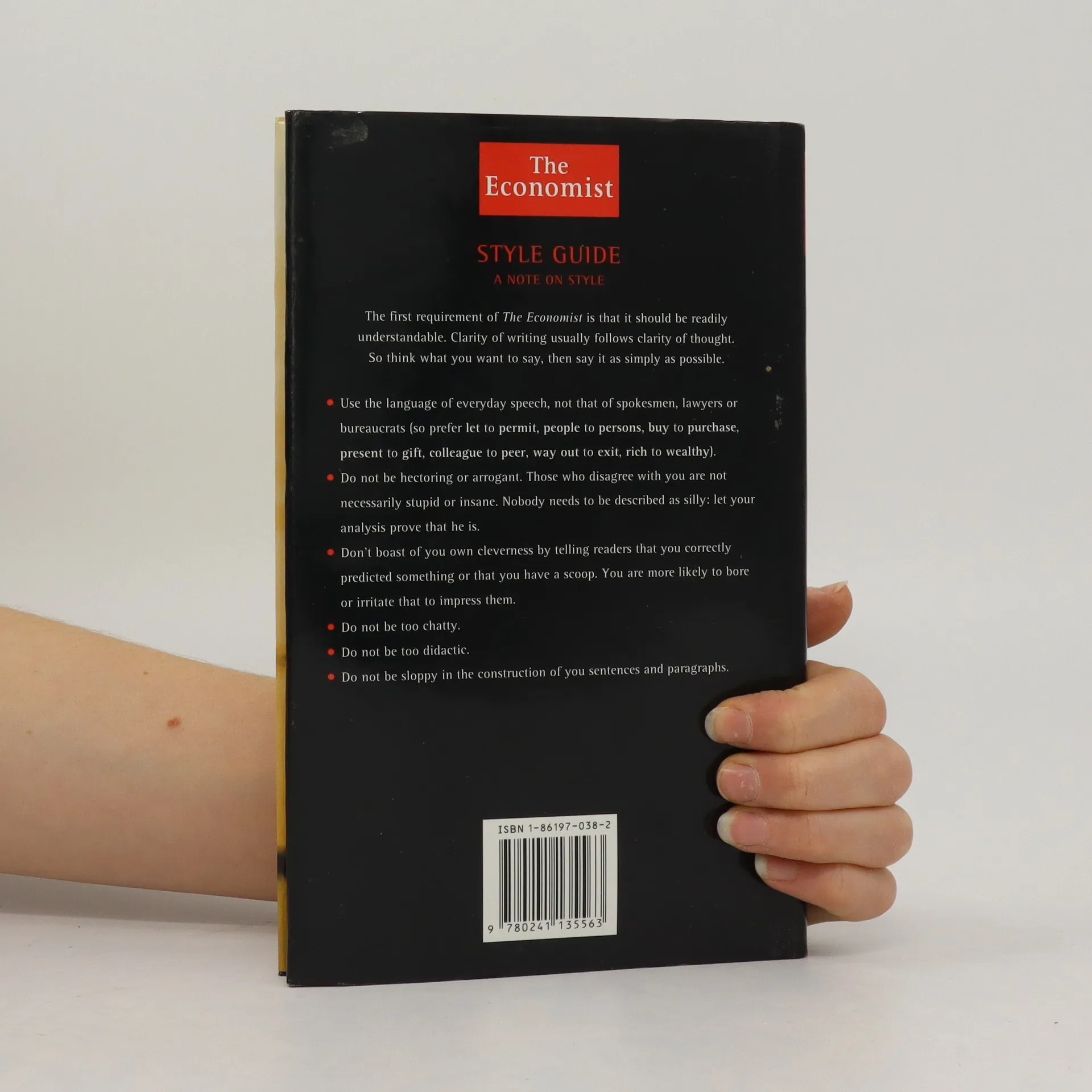
The first requirement of The Economist is that it should be readily understandable. Clear writing is the key to clear thinking. So think what you want to say, then say it as simply as possible. Readers are primarily interested in what you are saying. The way you say it may encourage them either to read on or to give up. If you want them to read on, then: Catch their attention Do not spend sentences setting the scene or sketching in the background. Hold the reader by the way you unfold the tale and by fresh and unpretentious use of language. Read through your writing several times Edit it ruthlessly. Cut out anything superfluous. Unadorned, unfancy prose is usually all you need. Do not be stuffy Use the language of everyday speech, not that of spokesmen, lawyers or bureaucrats. Do not be hectoring or arrogant Nobody needs to be described as silly: let your analysis prove that he is. Do not be pleased with yourself Don't boast of your own cleverness by telling readers that you correctly predicted something or that you have a scoop. You are more likely to bore or irritate than to impress them. Do not be too chatty Surprise, surprise is more irritating than informative. Do not be too didactic Avoid sentences that begin Compare, Consider, Expect, Imagine, Remember or Take. Do your best to be lucid Simple sentences help.


Compra de libros
The Economist Style Guide, Economist Publications Staff
- Idioma

- Publicado en
- 1996
- product-detail.submit-box.info.binding
- (Tapa dura)
Métodos de pago
Nos falta tu reseña aquí
- Idioma
- Inglés
- Autores
- Economist Publications Staff
- Editorial
- Profile Books Ltd
- Publicado en
- 1996
- Formato
- Tapa dura
- Páginas
- 144
- ISBN10
- 0241135567
- ISBN13
- 9780241135563
- Serie
- Etiquetas
- No ficción, Ciencias sociales, Comercio, Negocios & Gestión, Guías y Manuales, Economía, Idiomas, Lingüística, Periodismo y Publicidad, Escritura
- Calificación
- 4,15 de 5
- Descripción
- The first requirement of The Economist is that it should be readily understandable. Clear writing is the key to clear thinking. So think what you want to say, then say it as simply as possible. Readers are primarily interested in what you are saying. The way you say it may encourage them either to read on or to give up. If you want them to read on, then: Catch their attention Do not spend sentences setting the scene or sketching in the background. Hold the reader by the way you unfold the tale and by fresh and unpretentious use of language. Read through your writing several times Edit it ruthlessly. Cut out anything superfluous. Unadorned, unfancy prose is usually all you need. Do not be stuffy Use the language of everyday speech, not that of spokesmen, lawyers or bureaucrats. Do not be hectoring or arrogant Nobody needs to be described as silly: let your analysis prove that he is. Do not be pleased with yourself Don't boast of your own cleverness by telling readers that you correctly predicted something or that you have a scoop. You are more likely to bore or irritate than to impress them. Do not be too chatty Surprise, surprise is more irritating than informative. Do not be too didactic Avoid sentences that begin Compare, Consider, Expect, Imagine, Remember or Take. Do your best to be lucid Simple sentences help.