



Parámetros
- 612 páginas
- 22 horas de lectura
Más información sobre el libro
The period covered in this set is marked as one of the most dramatic and productive in European history, particularly within the Slav world. Significant events among the Western Slavs included the Hussite Wars and the union of Lithuania and Poland, driven by racial and religious ideas originating in Bohemia. The Bohemian activity spanned from 1403 to 1434, culminating in the battle of Lipan. Known for their narrative strength and vivid characterizations, Sienkiewicz's notable trilogy of historical novels began in 1883, comprising *With Fire and Sword* (1884), *The Deluge* (1886), and *Pan Michael* (1887-88). Set in the late 17th century, the trilogy depicts Poland's battles against Cossacks, Tatars, Swedes, and Turks, highlighting Polish heroism with epic clarity and simplicity. Henryk Sienkiewicz (1846-1916), born in Wola Okrzejska, Poland, studied in Warsaw and traveled in the USA. He began writing articles, short stories, and novels in the 1870s, with his major work being the war trilogy about 17th-century Poland. His most famous novel, *Quo Vadis?* (1896), about Rome under Nero, has been adapted for film, notably in 1951. Sienkiewicz was awarded the Nobel Prize for Literature in 1905, with translations by Samuel A. Binion, who also translated *Quo Vadis*.




Compra de libros
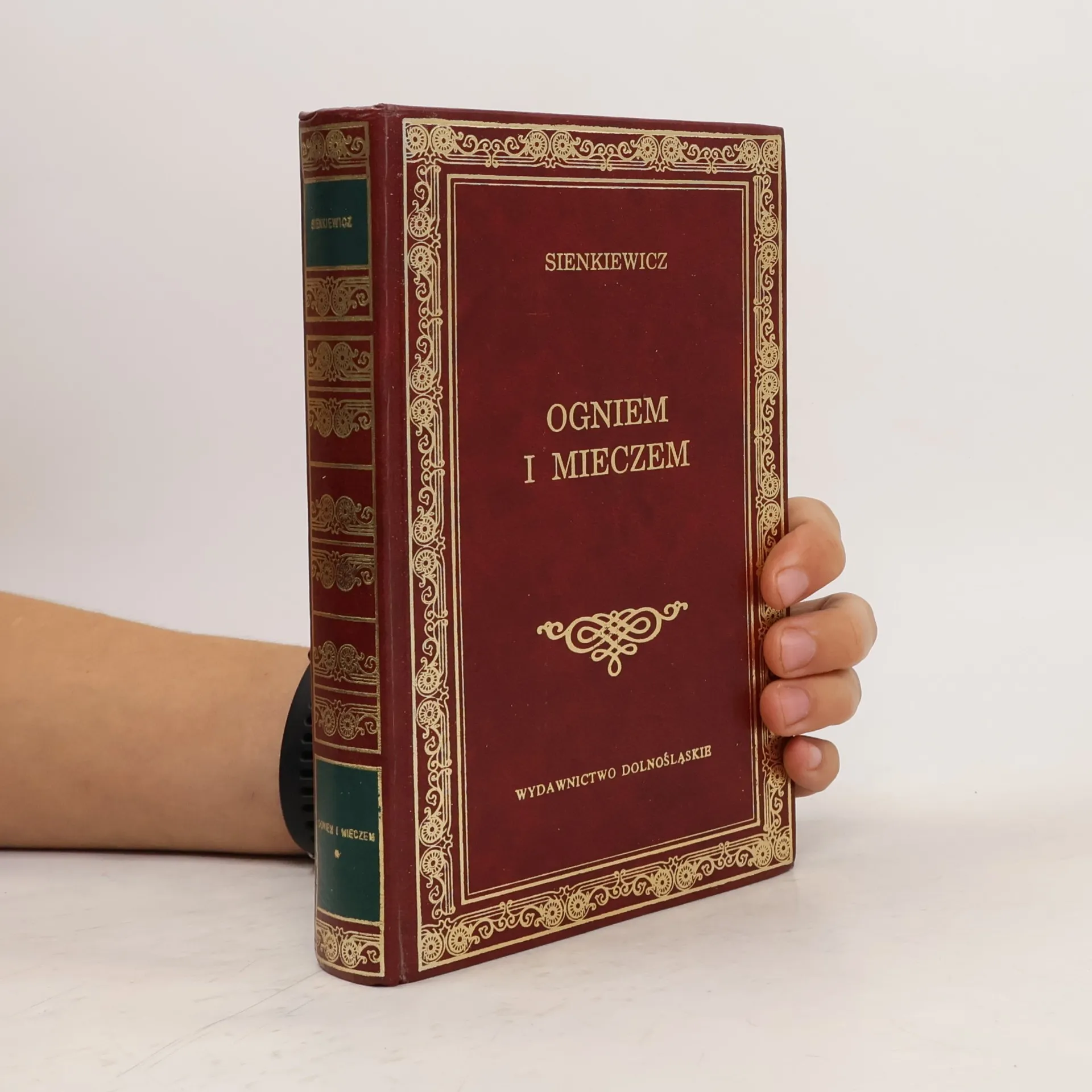
Ogniem i mieczem, Henryk Sienkiewicz
- Idioma

- Publicado en
- 1994
- Encuadernación
- (Tapa dura),
- Estado del libro
- Bueno
- Precio
- 3,29 €
Métodos de pago
Nos falta tu reseña aquí
- Título
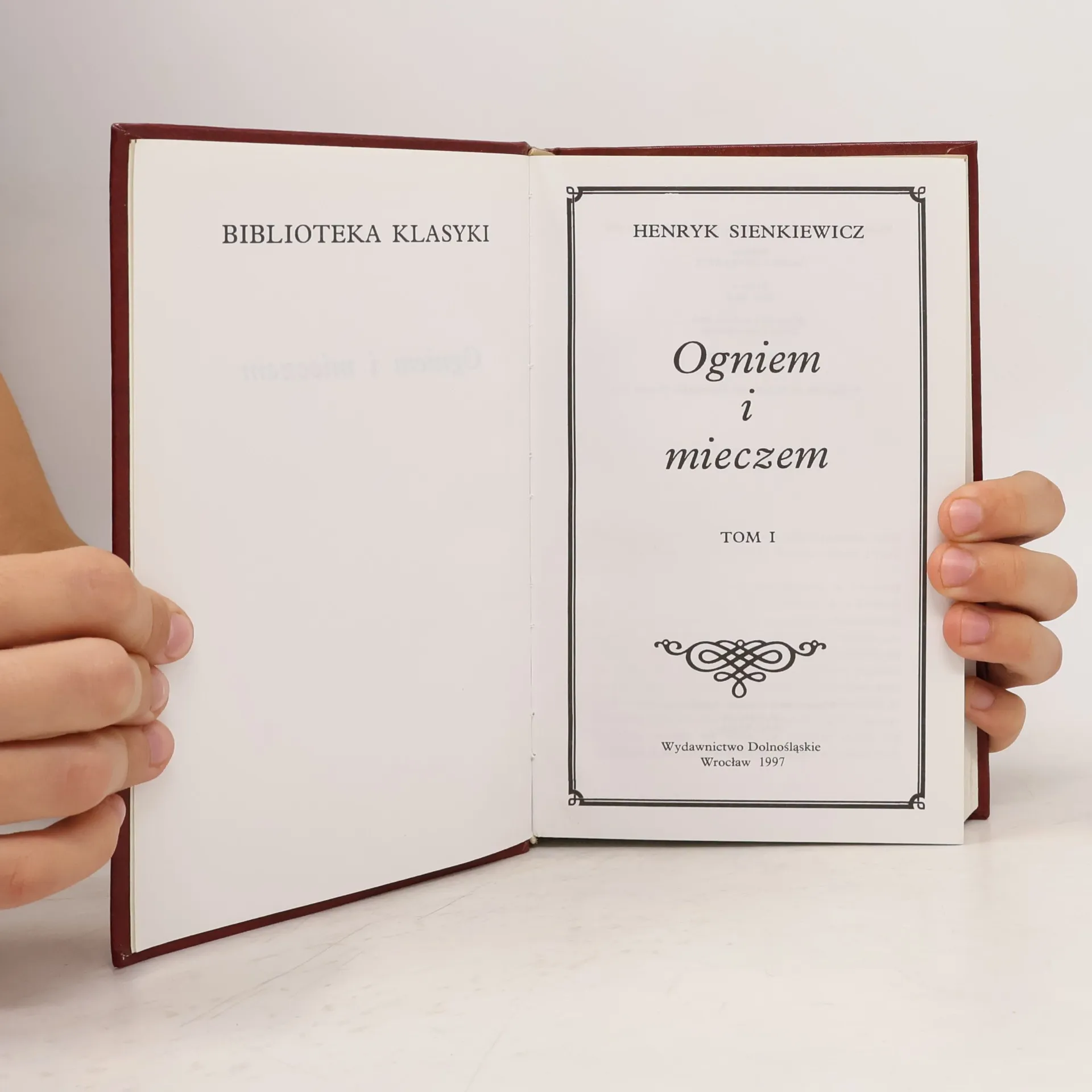
- Ogniem i mieczem
- Idioma
- Polaco
- Autores
- Henryk Sienkiewicz
- Editorial
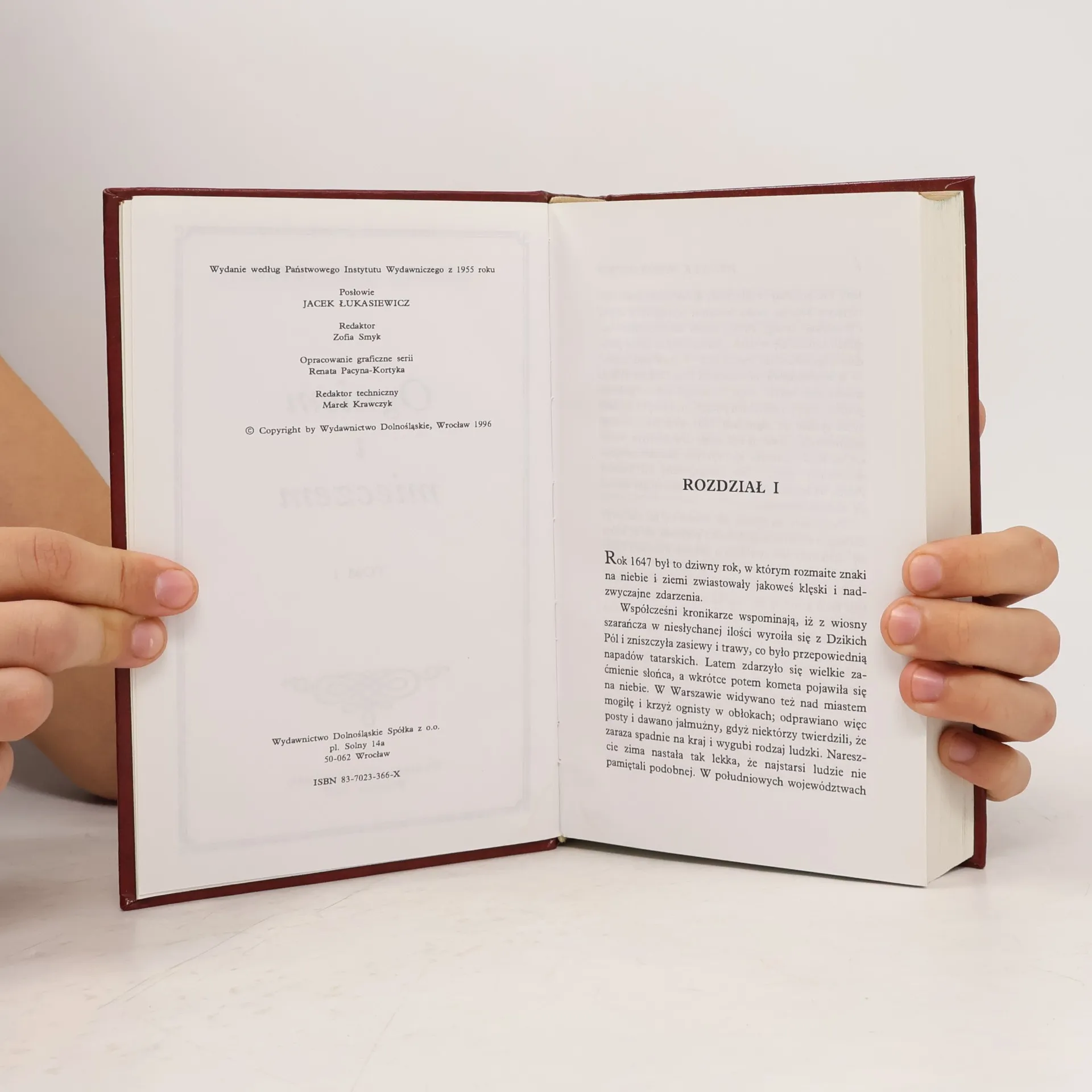
- Wydawnictwo Dolnośląskie
- Publicado en
- 1994
- Formato
- Tapa dura
- Páginas
- 612
- ISBN10
- 837023366X
- ISBN13
- 9788370233662
- Serie
- Categorías
- Etiquetas
- Aventura, Amor, Guerras, Adaptada al cine, Literatura polaca, Polonia, Siglo XVII, Fuego, Lituania, Cosacos, Novelas polacas
- Primera publicación
- 1884
- Título original
- Ogniem i mieczem
- Calificación
- 4,55 de 5
- Descripción
- The period covered in this set is marked as one of the most dramatic and productive in European history, particularly within the Slav world. Significant events among the Western Slavs included the Hussite Wars and the union of Lithuania and Poland, driven by racial and religious ideas originating in Bohemia. The Bohemian activity spanned from 1403 to 1434, culminating in the battle of Lipan. Known for their narrative strength and vivid characterizations, Sienkiewicz's notable trilogy of historical novels began in 1883, comprising *With Fire and Sword* (1884), *The Deluge* (1886), and *Pan Michael* (1887-88). Set in the late 17th century, the trilogy depicts Poland's battles against Cossacks, Tatars, Swedes, and Turks, highlighting Polish heroism with epic clarity and simplicity. Henryk Sienkiewicz (1846-1916), born in Wola Okrzejska, Poland, studied in Warsaw and traveled in the USA. He began writing articles, short stories, and novels in the 1870s, with his major work being the war trilogy about 17th-century Poland. His most famous novel, *Quo Vadis?* (1896), about Rome under Nero, has been adapted for film, notably in 1951. Sienkiewicz was awarded the Nobel Prize for Literature in 1905, with translations by Samuel A. Binion, who also translated *Quo Vadis*.