

Parámetros
- 272 páginas
- 10 horas de lectura
Más información sobre el libro
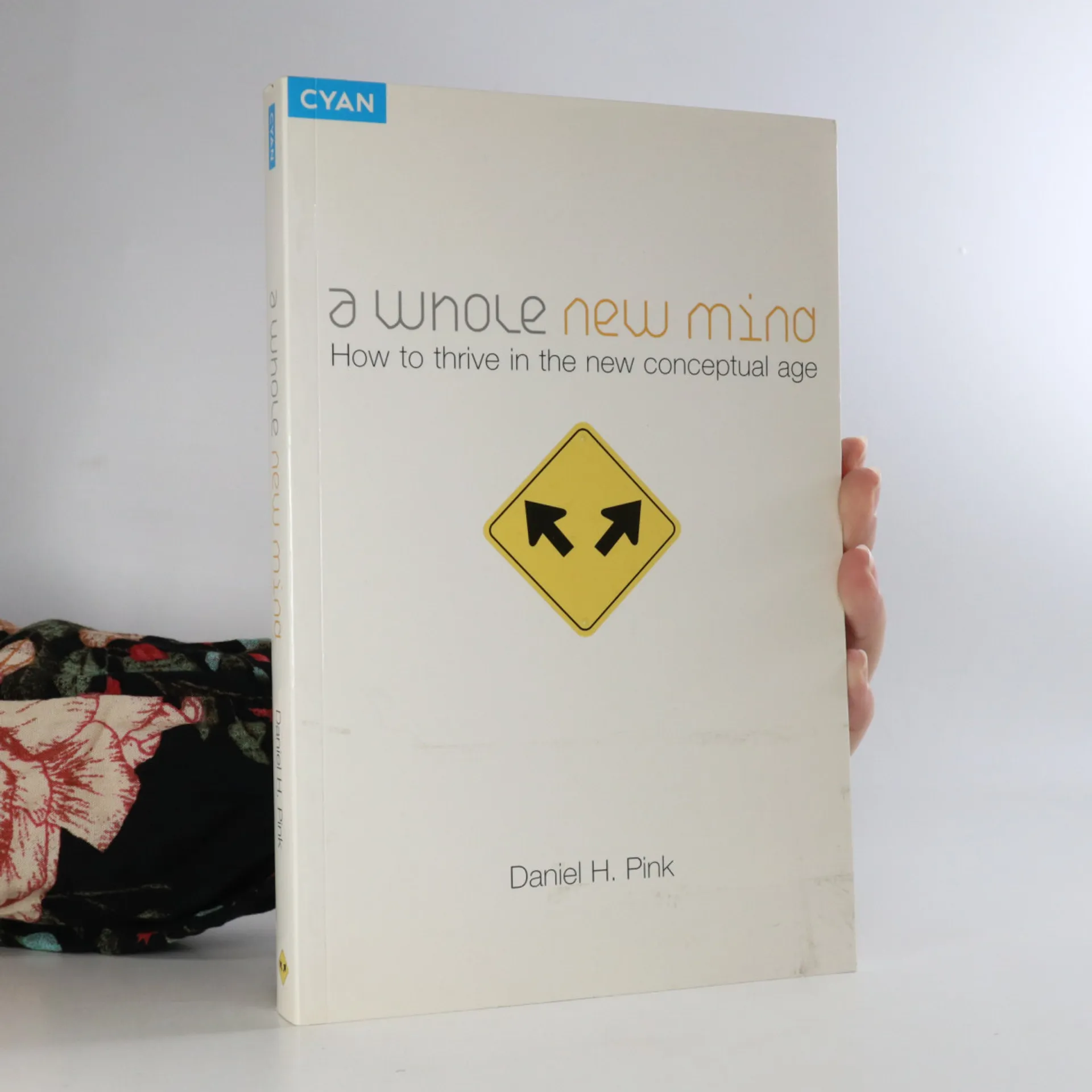
The book begins with a bit of neuroscience tourism to a brain lab that will be extremely familiar to those who read Steven Johnson's Mind Wide Open last year, but while Johnson was fascinated by the brain's internal processes, Pink is more concerned with how certain skill sets can be harnessed effectively in the dawning "Conceptual Age." The second half of the book details the six "senses" Pink identifies as crucial to success in the new economy-design, story, symphony, empathy, play and meaning-while "portfolio" sections offer practical (and sometimes whimsical) advice on how to cultivate these skills within oneself. Pink compares this upcoming "Conceptual Age" to past periods of intense change, such as the Industrial Revolution and the Renaissance, as a way of emphasizing its importance.





Compra de libros
A Whole New Mind, Daniel H. Pink
- Idioma

- Publicado en
- 2006
- product-detail.submit-box.info.binding
- (Tapa blanda)
Métodos de pago
Nos falta tu reseña aquí
- Título
- A Whole New Mind
- Idioma
- Inglés
- Autores
- Daniel H. Pink
- Editorial
- Cyan Books
- Publicado en
- 2006
- Formato
- Tapa blanda
- Páginas
- 272
- ISBN10
- 1904879578
- ISBN13
- 9781904879572
- Serie
- Etiquetas
- No ficción, Comercio, Tecnología & Ingeniería, Autoayuda, Temas psicológicos, Desarrollo personal, Ordenadores & Internet, Ciencia, Educación, Asia, Creatividad, Futuro, Empatía, Americanos, Autoeducación
- Primera publicación
- 2006
- Título original
- A Whole New Mind: Why Right-Brainers Will Rule the Future
- Calificación
- 3,9 de 5
- Descripción
- The book begins with a bit of neuroscience tourism to a brain lab that will be extremely familiar to those who read Steven Johnson's Mind Wide Open last year, but while Johnson was fascinated by the brain's internal processes, Pink is more concerned with how certain skill sets can be harnessed effectively in the dawning "Conceptual Age." The second half of the book details the six "senses" Pink identifies as crucial to success in the new economy-design, story, symphony, empathy, play and meaning-while "portfolio" sections offer practical (and sometimes whimsical) advice on how to cultivate these skills within oneself. Pink compares this upcoming "Conceptual Age" to past periods of intense change, such as the Industrial Revolution and the Renaissance, as a way of emphasizing its importance.