




Parámetros
- 480 páginas
- 17 horas de lectura
Más información sobre el libro
When faced with the possibility of death tomorrow, the concepts of courage and purpose become meaningless. Life itself feels pointless, whether observing a tree or engaging with others. This existential reflection permeates the narrative, emphasizing that the struggle for significance is futile. Such is the essence of war in this fictional account of the battle on Guadalcanal, where the experiences of American and Japanese troops are vividly depicted. The story unfolds through various perspectives within C-for-Charlie Company, including Capt. James Stein, his unstable first sergeant Eddie Welsh, and the young privates thrust into combat. The portrayal of combat conditions and their psychological toll is starkly realistic, capturing the rawness of war. The dialogue reflects authenticity, echoing earlier works of combat fiction. This narrative transcends traditional war stories, delving deeply into themes of male identity and existential despair. It establishes the author as a significant voice in American literature, comparable to literary giants like Herman Melville and Stephen Crane. The exploration of meaning in the face of mortality and the chaos of war resonates profoundly, making this work a critical examination of human existence.






Compra de libros
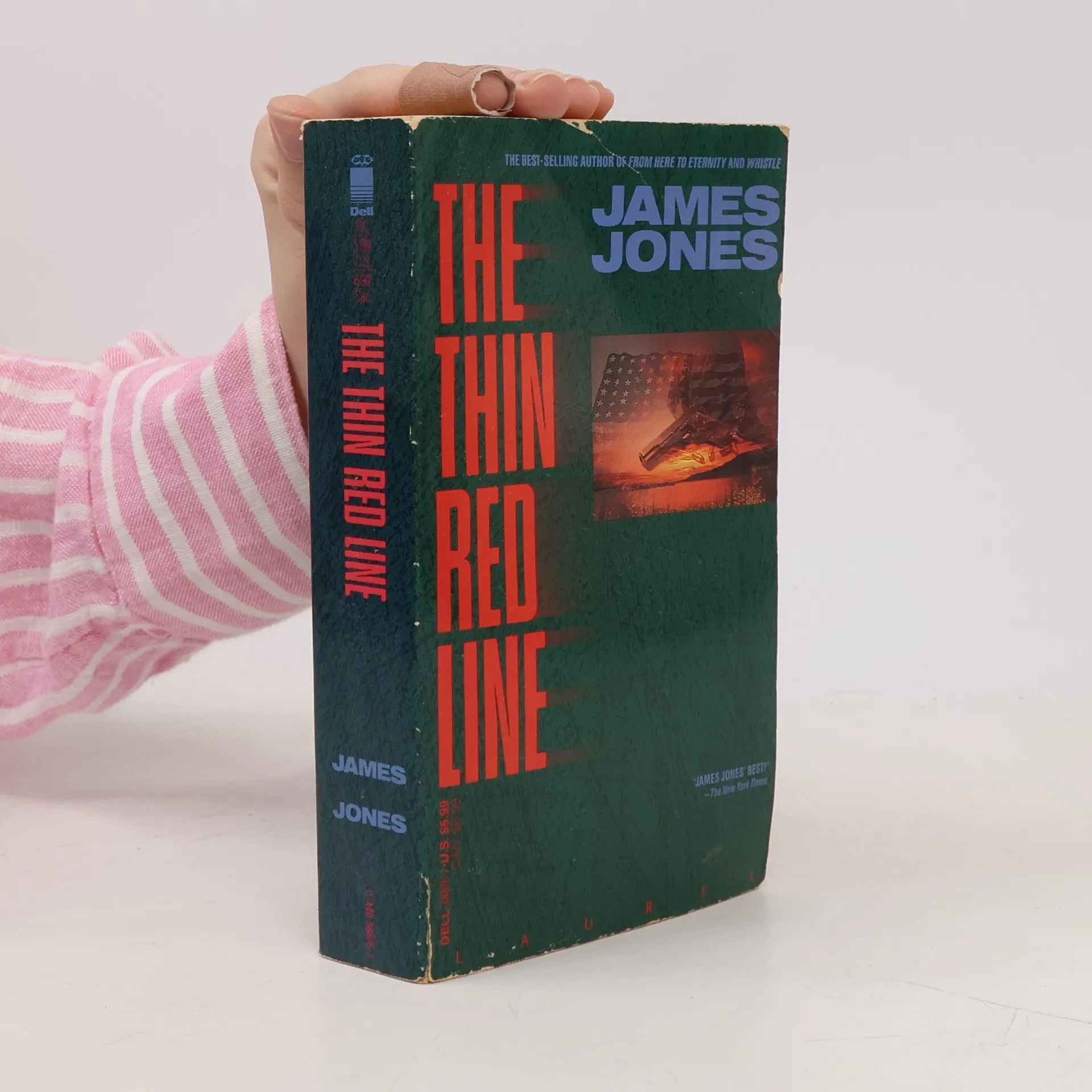
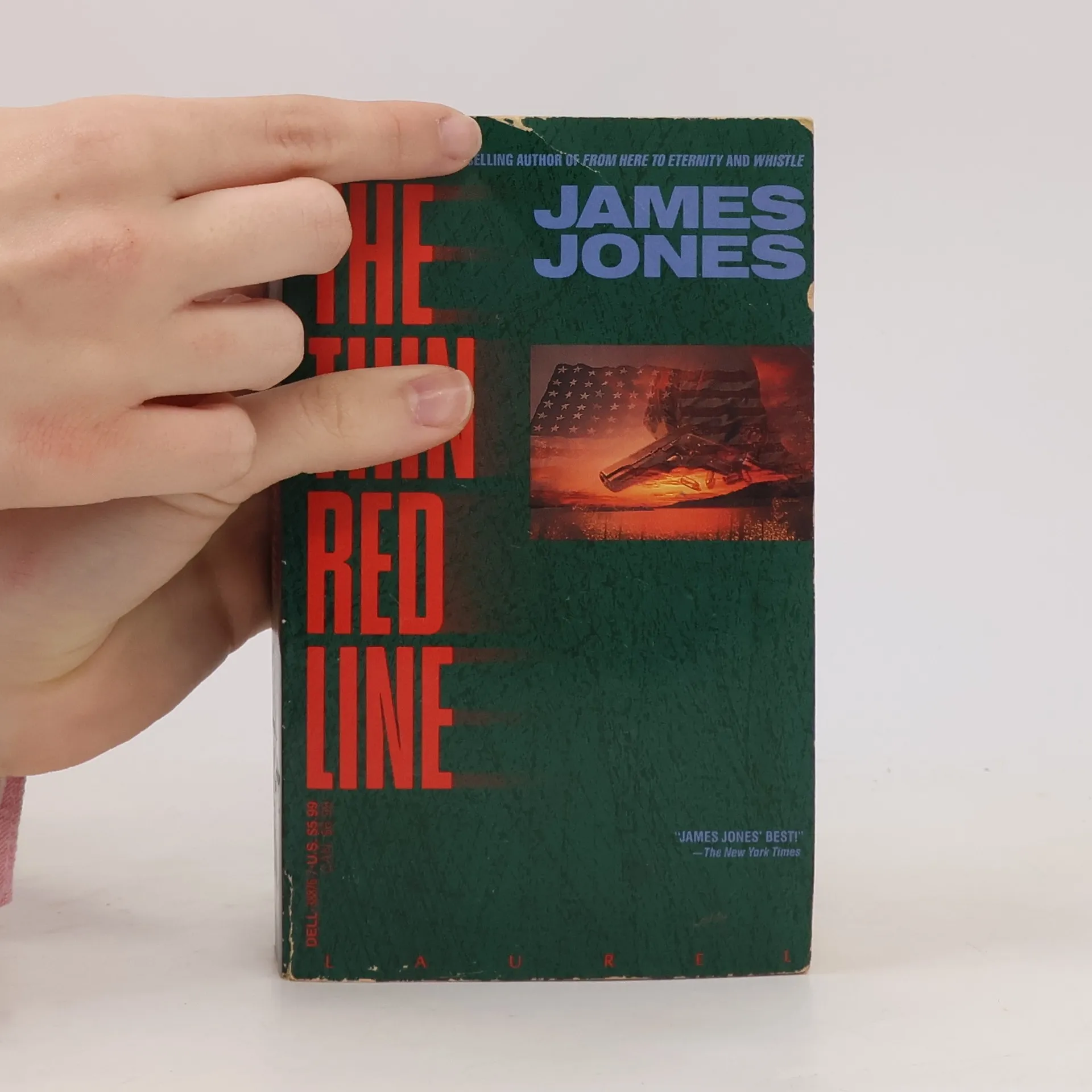
The Thin Red Line, James Jones
- Idioma

- Publicado en
- 1985
- product-detail.submit-box.info.binding
- (Tapa blanda),
- Estado del libro
- Dañado
- Precio
- 3,55 €
Métodos de pago
Nos falta tu reseña aquí
- Título
- The Thin Red Line
- Idioma
- Inglés
- Autores
- James Jones
- Editorial
- Laurel
- Publicado en
- 1985
- Formato
- Tapa blanda
- Páginas
- 480
- ISBN10
- 0440388767
- ISBN13
- 9780440388760
- Etiquetas
- Ficción, Tema histórico, Novelas históricas, Prosa bélica, Guerras, Segunda Guerra Mundial, Adaptada al cine, Soldados, Cuenca del Pacífico, Guadalcanal
- Primera publicación
- 1962
- Título original
- The Thin Red Line
- Calificación
- 4 de 5
- Descripción
- When faced with the possibility of death tomorrow, the concepts of courage and purpose become meaningless. Life itself feels pointless, whether observing a tree or engaging with others. This existential reflection permeates the narrative, emphasizing that the struggle for significance is futile. Such is the essence of war in this fictional account of the battle on Guadalcanal, where the experiences of American and Japanese troops are vividly depicted. The story unfolds through various perspectives within C-for-Charlie Company, including Capt. James Stein, his unstable first sergeant Eddie Welsh, and the young privates thrust into combat. The portrayal of combat conditions and their psychological toll is starkly realistic, capturing the rawness of war. The dialogue reflects authenticity, echoing earlier works of combat fiction. This narrative transcends traditional war stories, delving deeply into themes of male identity and existential despair. It establishes the author as a significant voice in American literature, comparable to literary giants like Herman Melville and Stephen Crane. The exploration of meaning in the face of mortality and the chaos of war resonates profoundly, making this work a critical examination of human existence.