


Más información sobre el libro
German poet Heinrich Heine was bedridden with a debilitating illness for the last eight years of his life, during which time he reassessed many of his previous views on life. By the Rivers of Babylon examines the changes in his thinking about history, philosophy, and religion during that period and shows how those changes are reflected in his later poetry. Roger Cook offers an analysis of Heine's vehement renunciation of the Hegelian ideas that had shaped his earlier conception of history. Refuting accepted opinions that this shift in thought was a displaced opposition to social developments, Cook contends that these late writings represent Heine's consistent rejection of idealist philosophy and reveal Heine's new understanding of poetry's role as a transmitter of myth. Cook shows how Heine transcended the boundaries of European culture and Judeo-Christian religion by aligning his work with alternative cultures on the margins of society.



Compra de libros
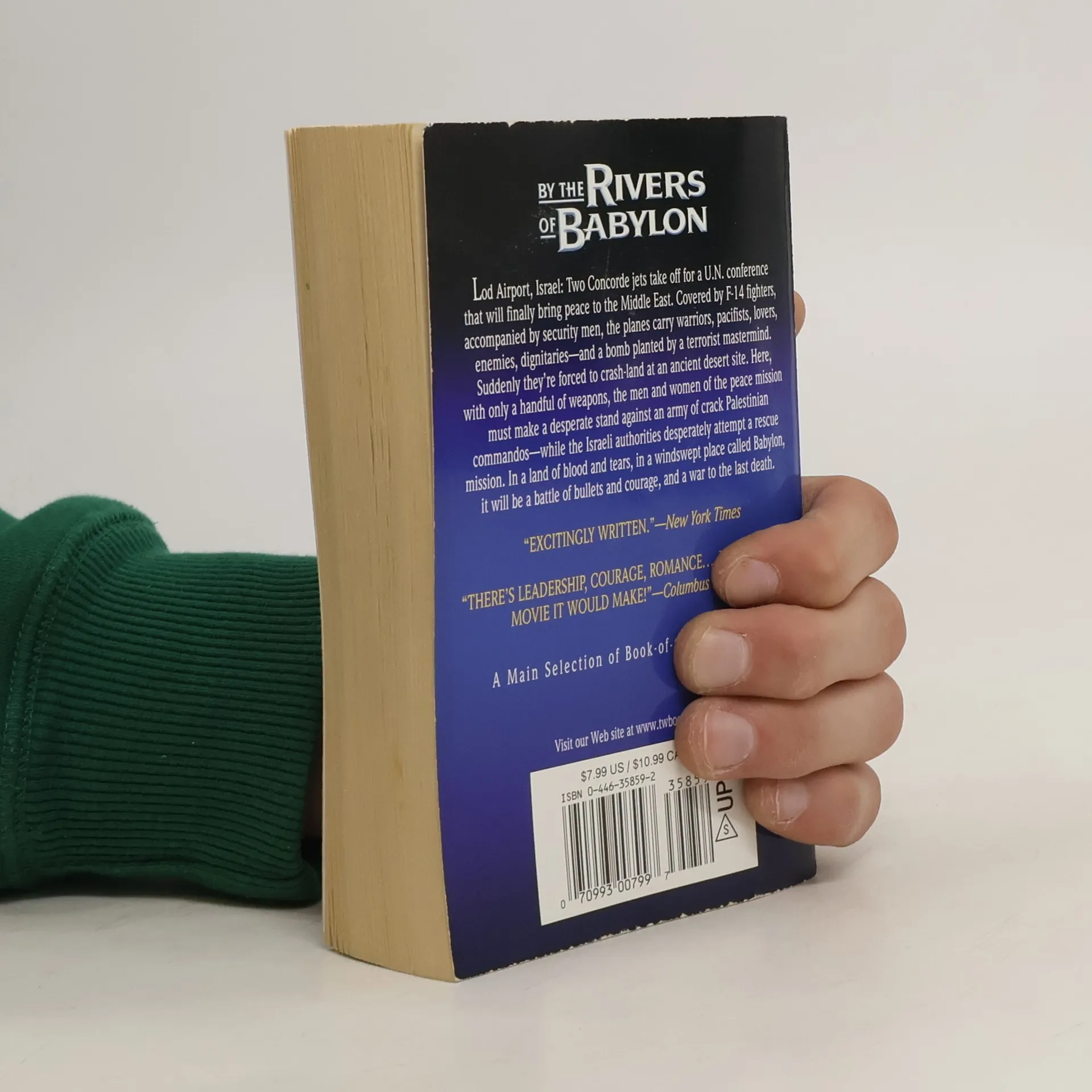
By the Rivers of Babylon, Nelson DeMille
- Idioma

- Publicado en
- 1998
- product-detail.submit-box.info.binding
- (Tapa blanda)
Métodos de pago
Nos falta tu reseña aquí
- Título
- By the Rivers of Babylon
- Idioma
- Inglés
- Autores
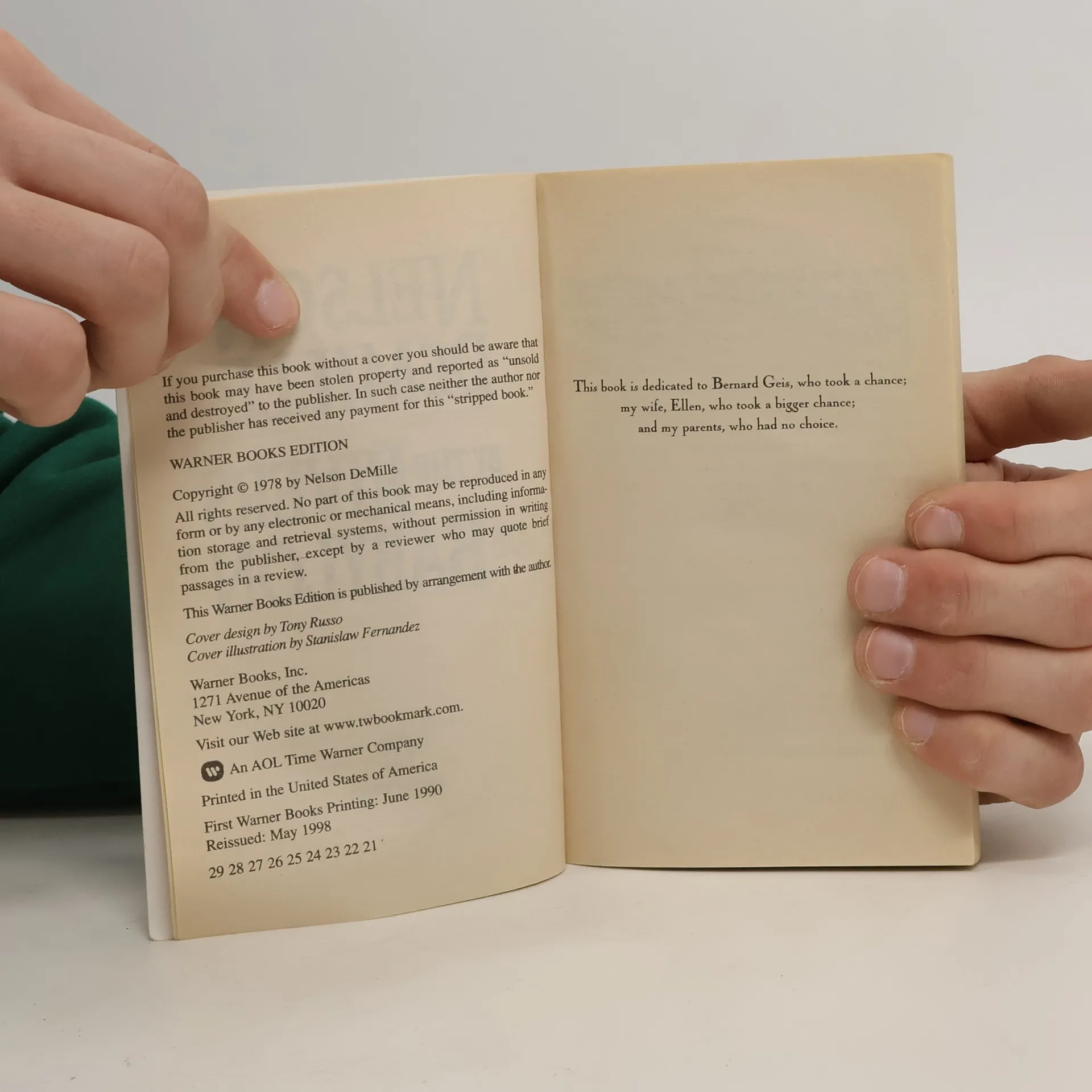
- Nelson DeMille
- Editorial
- Warner Books
- Publicado en
- 1998
- Formato
- Tapa blanda
- Serie
- Etiquetas
- Ficción, Novela negra & Thriller, Novelas históricas, Thriller, Suspense, Acción
- Título original
- By the waters of Babylon
- Calificación
- 3,7 de 5
- Descripción
- German poet Heinrich Heine was bedridden with a debilitating illness for the last eight years of his life, during which time he reassessed many of his previous views on life. By the Rivers of Babylon examines the changes in his thinking about history, philosophy, and religion during that period and shows how those changes are reflected in his later poetry. Roger Cook offers an analysis of Heine's vehement renunciation of the Hegelian ideas that had shaped his earlier conception of history. Refuting accepted opinions that this shift in thought was a displaced opposition to social developments, Cook contends that these late writings represent Heine's consistent rejection of idealist philosophy and reveal Heine's new understanding of poetry's role as a transmitter of myth. Cook shows how Heine transcended the boundaries of European culture and Judeo-Christian religion by aligning his work with alternative cultures on the margins of society.