

Más información sobre el libro
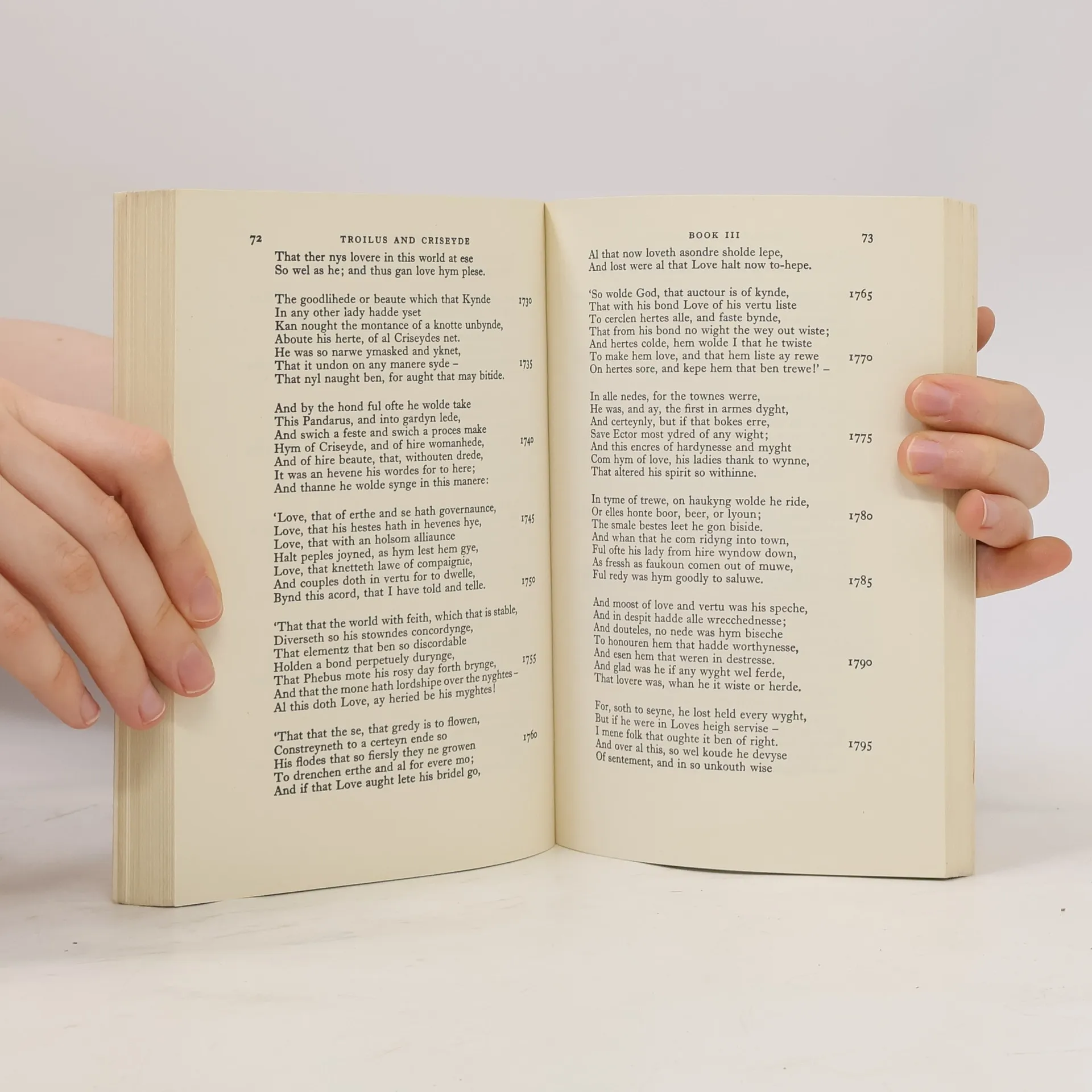
Considered one of Chaucer’s finest poems, second only to The Canterbury Tales, this tragic love story unfolds against the backdrop of the Trojan War. Written in the 1380s, it follows Troilus, son of Priam and brother of Hector, who falls deeply in love with the beautiful Cressida. Cressida, daughter of Calchas, a Trojan priest who has defected to the Greeks, is left behind in the besieged city. With the help of Pander, Troilus’s friend and Cressida’s uncle, the two lovers meet, leading to a poignant romance with dire consequences. The poem is structured in seven-line rhymed stanzas and is presented in a lively modern verse translation by George Philip Krapp, who preserves its original spirit and structure. Emotions run high, and the love story unfolds with dramatic urgency, drawing readers in. Yet, true to Chaucer’s style, moments of humor and lightness emerge, reminiscent of The Canterbury Tales. Though often overshadowed by his more famous works and even adaptations by Shakespeare, this poem stands as a significant monument in English literature. Once experienced, it leaves a lasting impression.






Compra de libros
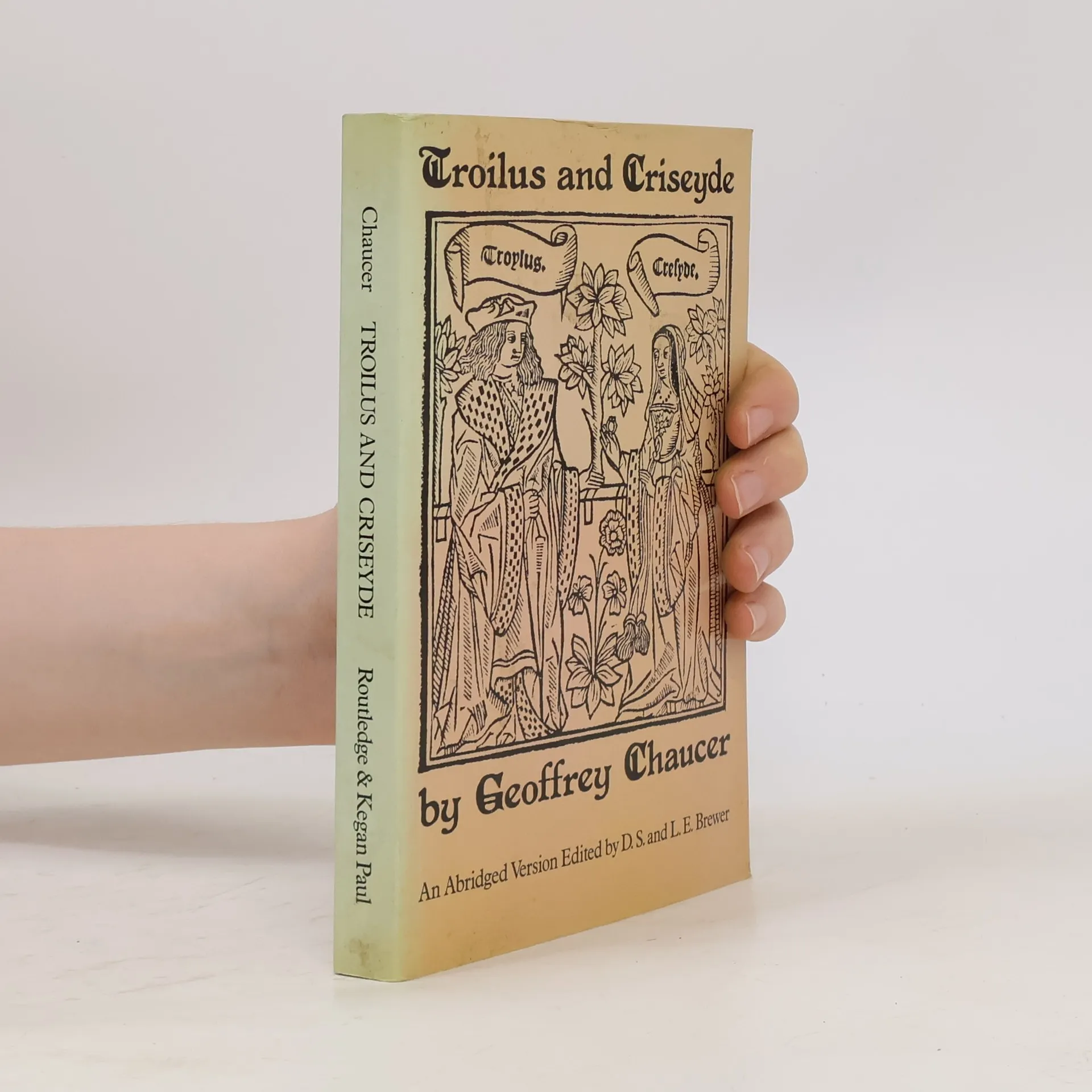
Troilus and Criseyde, Geoffrey Chaucer, D. S. Brewer, L. E. Brewer
- Idioma

- Publicado en
- 1969
- product-detail.submit-box.info.binding
- (Tapa dura),
- Estado del libro
- Bueno
- Precio
- 5,99 €
Métodos de pago
Nos falta tu reseña aquí
- Título
- Troilus and Criseyde
- Subtítulo
- An Abridged Version Edited by D. S. and L. E. Brewer
- Idioma
- Inglés
- Autores
- Geoffrey Chaucer, D. S. Brewer, L. E. Brewer
- Editorial
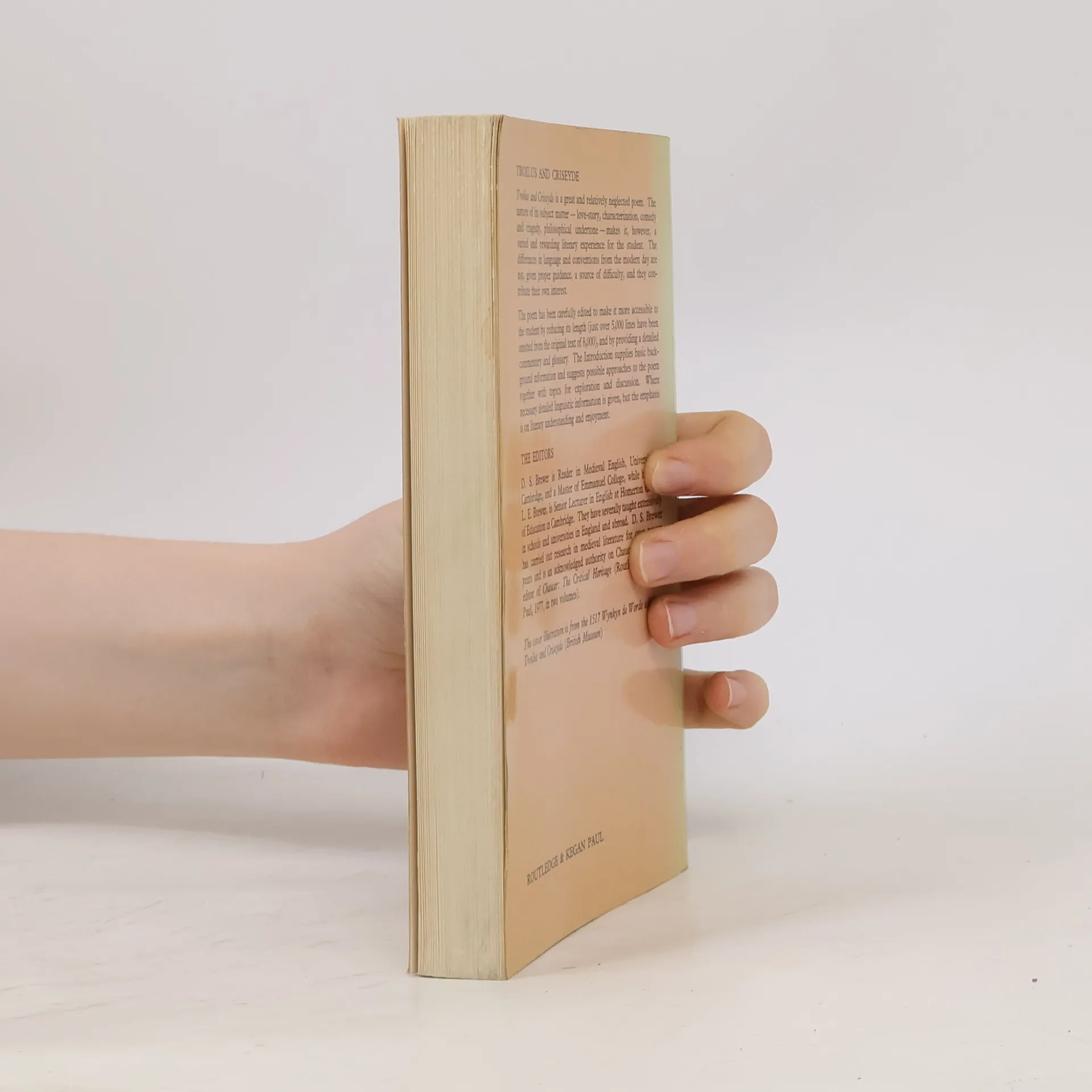
- Routledge & Kegan Paul
- Publicado en
- 1969
- Formato
- Tapa dura
- Páginas
- 161
- ISBN10
- 0710064888
- ISBN13
- 9780710064882
- Serie
- Calificación
- 3,4 de 5
- Descripción
- Considered one of Chaucer’s finest poems, second only to The Canterbury Tales, this tragic love story unfolds against the backdrop of the Trojan War. Written in the 1380s, it follows Troilus, son of Priam and brother of Hector, who falls deeply in love with the beautiful Cressida. Cressida, daughter of Calchas, a Trojan priest who has defected to the Greeks, is left behind in the besieged city. With the help of Pander, Troilus’s friend and Cressida’s uncle, the two lovers meet, leading to a poignant romance with dire consequences. The poem is structured in seven-line rhymed stanzas and is presented in a lively modern verse translation by George Philip Krapp, who preserves its original spirit and structure. Emotions run high, and the love story unfolds with dramatic urgency, drawing readers in. Yet, true to Chaucer’s style, moments of humor and lightness emerge, reminiscent of The Canterbury Tales. Though often overshadowed by his more famous works and even adaptations by Shakespeare, this poem stands as a significant monument in English literature. Once experienced, it leaves a lasting impression.