

Más información sobre el libro
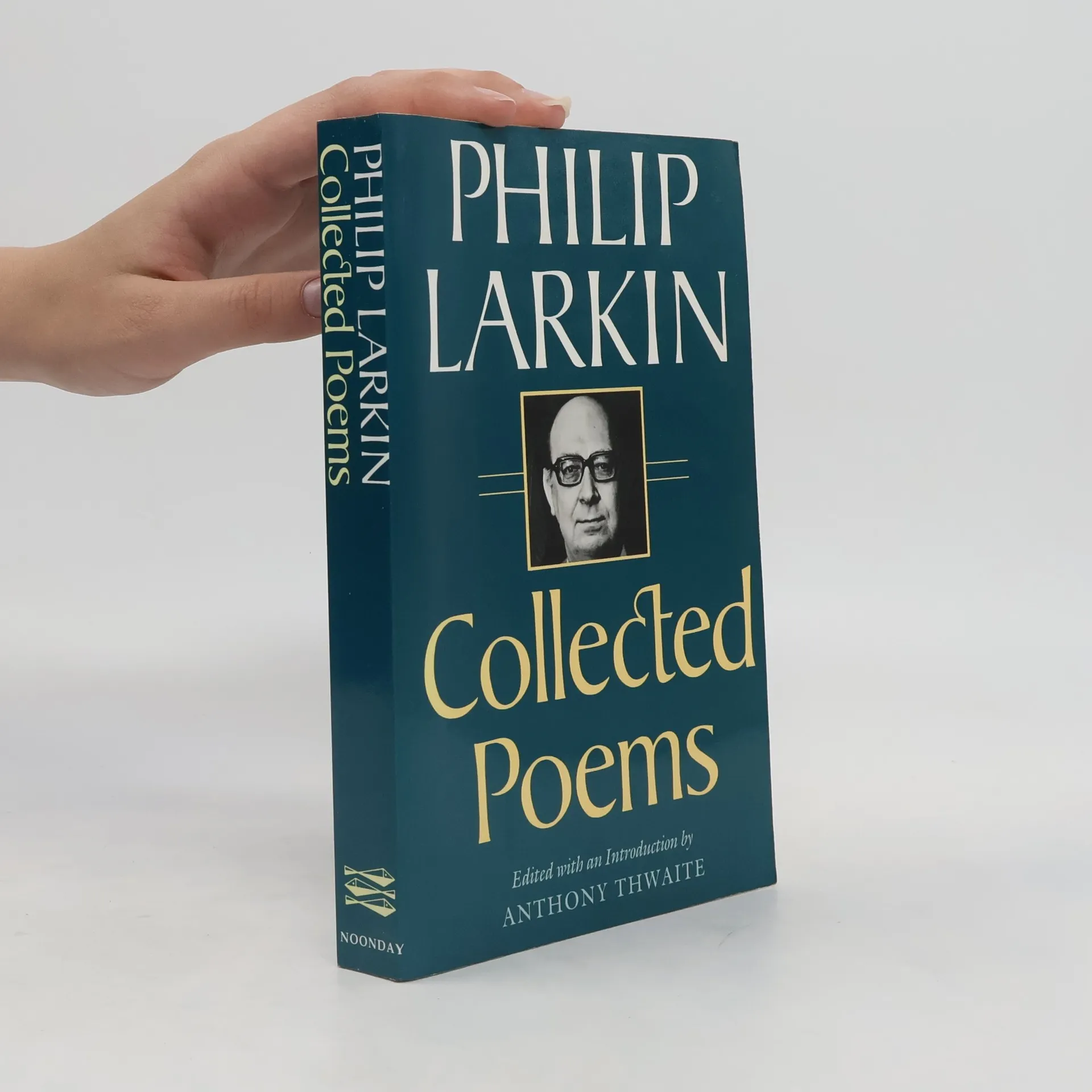
One of the best-known, best-loved poets of the English-speaking world, Larkin had a relatively small number of poems published during his lifetime. This Collected Poems, which J. D. McClatchy called a fascinating and indispensable text in The New York Times Book Review, brings together not only all of Larkin's published verse--The North Ship (1945), the pamphlet of XX Poems (1953), The Less Deceived (1955), The Whitsun Weddings (1964), and High Windows (1974)--but also a vast selection of his uncollected poetry. A brief Introduction by Anthony Thwaite illuminates both the life and verse of this highly perceptive and deeply acerbic poet, a dour yet witty soul whose brilliant writings so often suggest an ongoing conflict between the traditional and the modern.



Compra de libros
Collected Poems, Philip Larkin
- Idioma

- Publicado en
- 1993
- Encuadernación
- (Tapa blanda)
Métodos de pago
Nos falta tu reseña aquí
- Título
- Collected Poems
- Idioma
- Inglés
- Autores
- Philip Larkin
- Editorial
- Farrar, Straus and Giroux
- Publicado en
- 1993
- Formato
- Tapa blanda
- Páginas
- 330
- ISBN10
- 0374522758
- ISBN13
- 9780374522759
- Serie
- Etiquetas
- Ficción, Tema histórico, Poesía, Clásicos, Siglo XX, Literatura Británica, Literatura inglesa
- Calificación
- 4,2 de 5
- Descripción
- One of the best-known, best-loved poets of the English-speaking world, Larkin had a relatively small number of poems published during his lifetime. This Collected Poems, which J. D. McClatchy called a fascinating and indispensable text in The New York Times Book Review, brings together not only all of Larkin's published verse--The North Ship (1945), the pamphlet of XX Poems (1953), The Less Deceived (1955), The Whitsun Weddings (1964), and High Windows (1974)--but also a vast selection of his uncollected poetry. A brief Introduction by Anthony Thwaite illuminates both the life and verse of this highly perceptive and deeply acerbic poet, a dour yet witty soul whose brilliant writings so often suggest an ongoing conflict between the traditional and the modern.