

Parámetros
- 324 páginas
- 12 horas de lectura
Más información sobre el libro
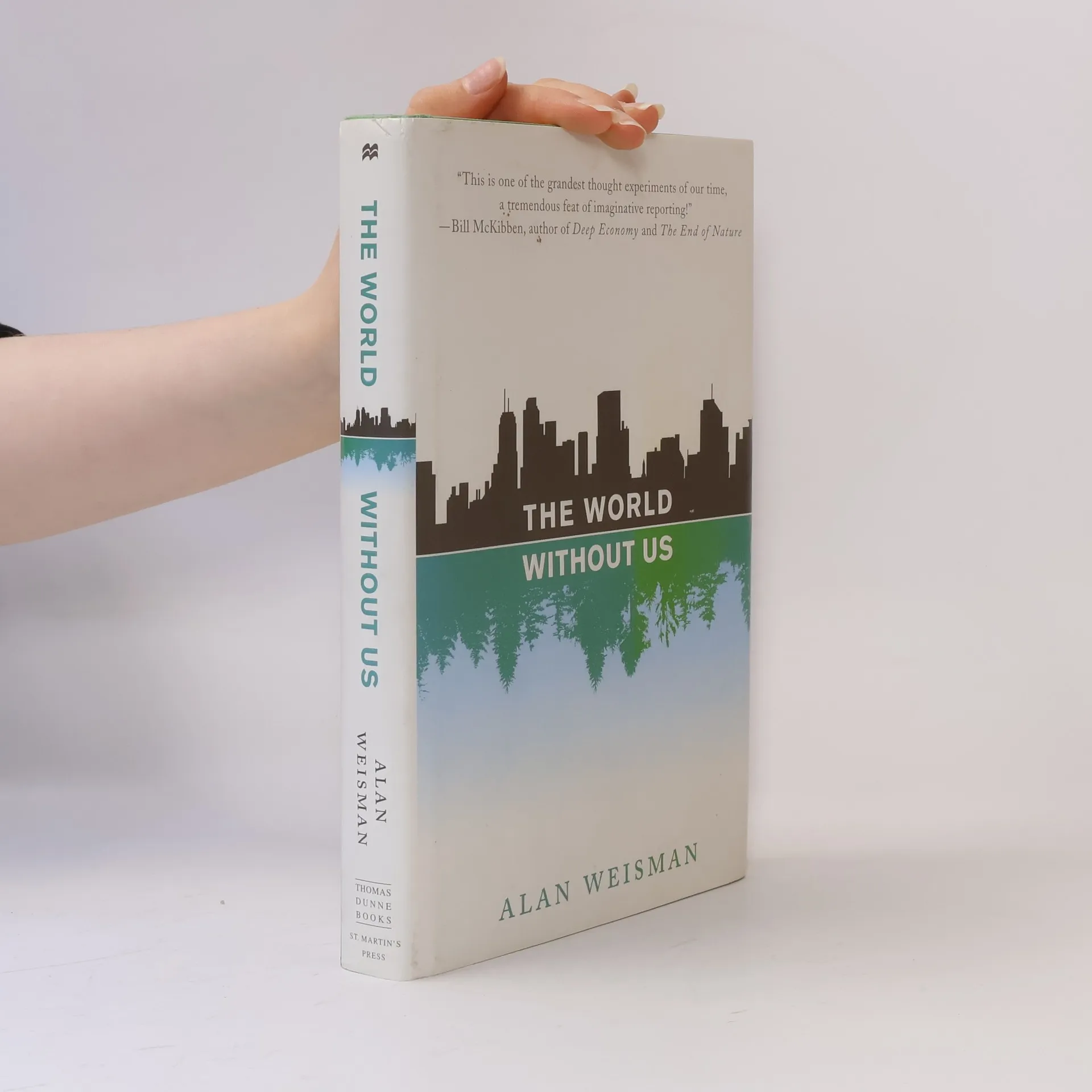
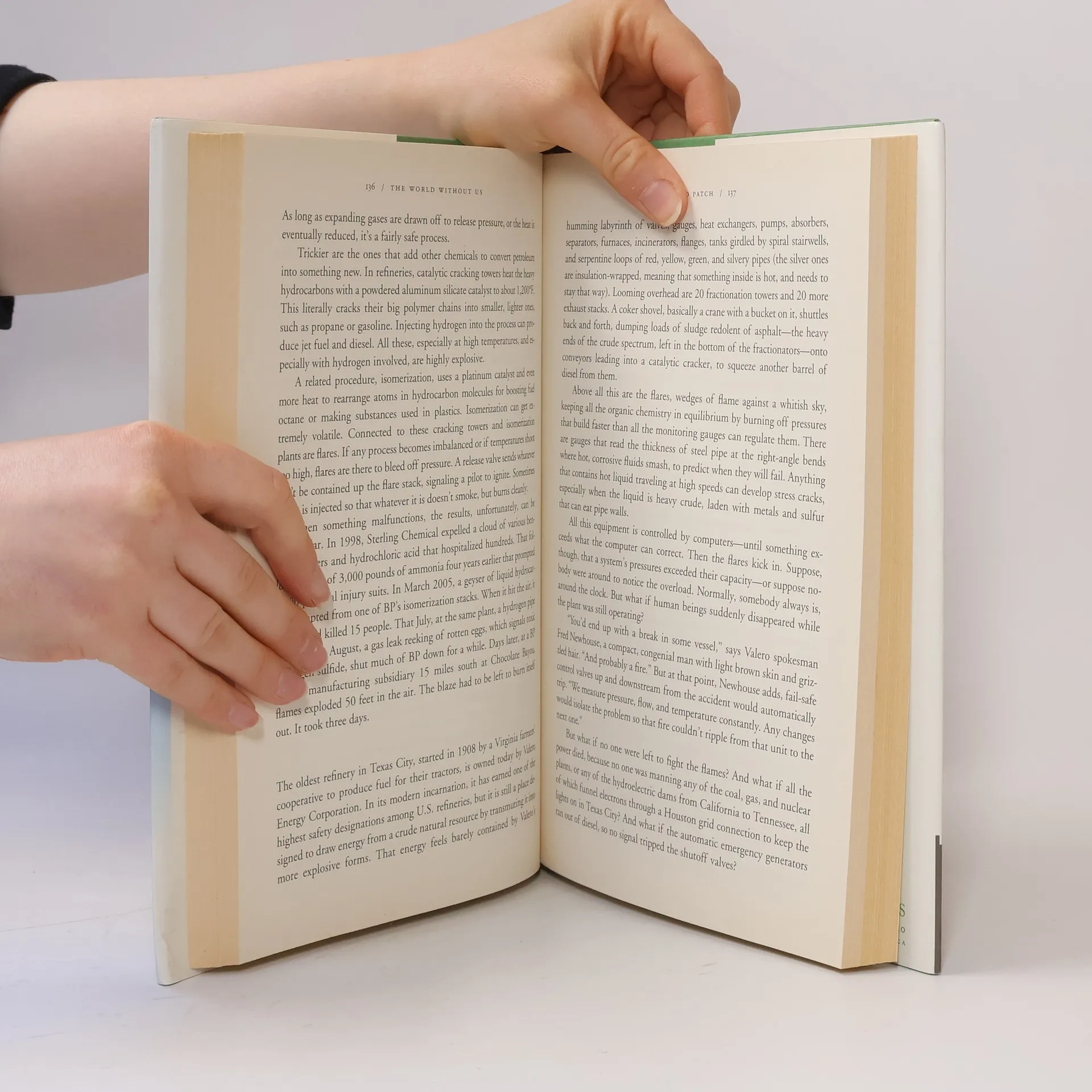
Journalist Weisman offers an original approach to questions of humanity's impact on the planet. Drawing on the expertise of engineers, atmospheric scientists, art conservators, zoologists, oil refiners, marine biologists, astrophysicists, religious leaders, and paleontologists, he illustrates what the planet might be like today if humans disappeared. He explains how our massive infrastructure would collapse and finally vanish without human presence; which everyday items may become immortalized as fossils; how copper pipes and wiring would be crushed into mere seams of reddish rock; why some of our earliest buildings might be the last architecture left; and how plastic, bronze sculpture, radio waves, and some man-made molecules may be our most lasting gifts to the universe. As he shows which human devastations are indelible, and which examples of our highest art and culture would endure longest, Weisman's narrative ultimately drives toward a radical but persuasive solution that needn't depend on our demise.--From publisher description.







Compra de libros
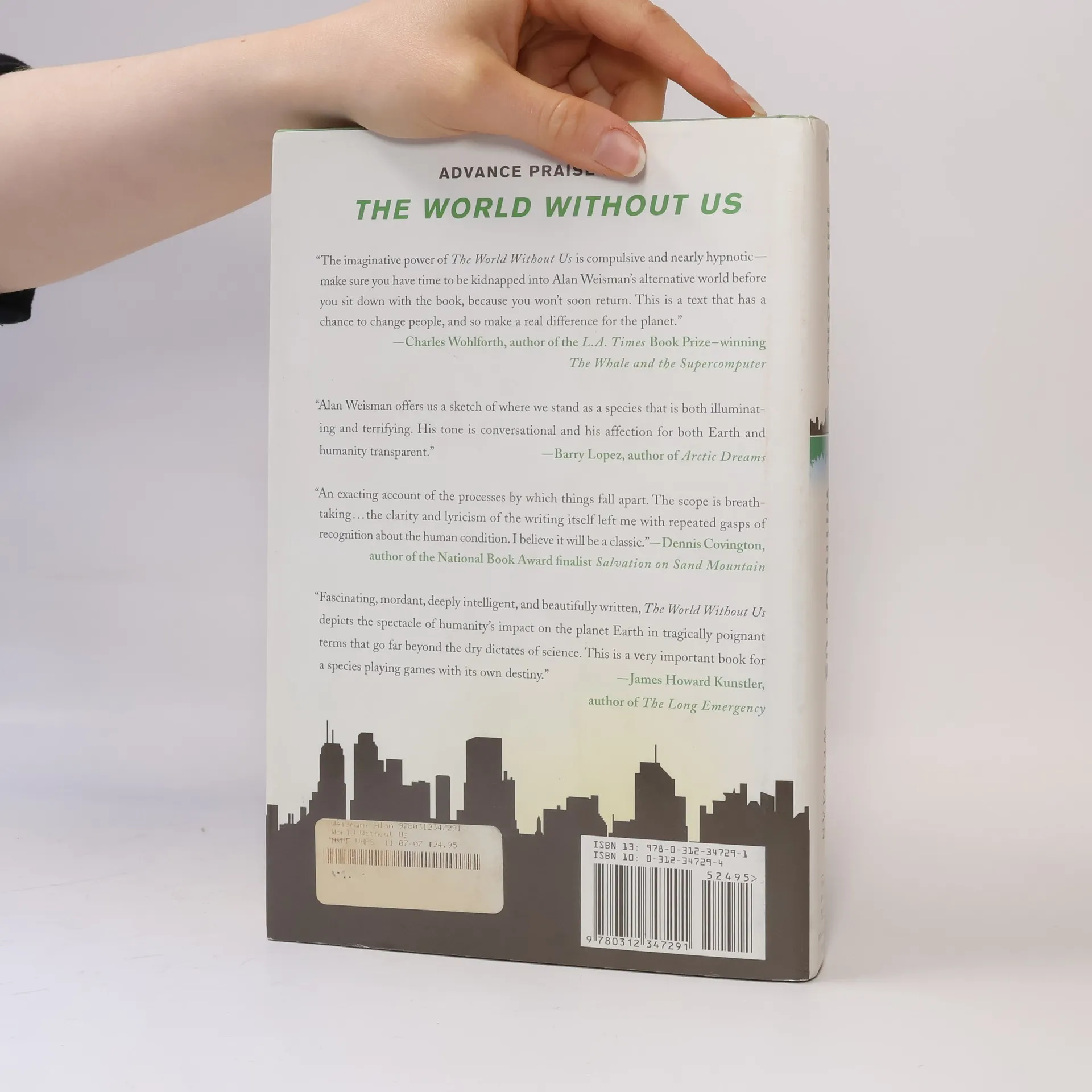
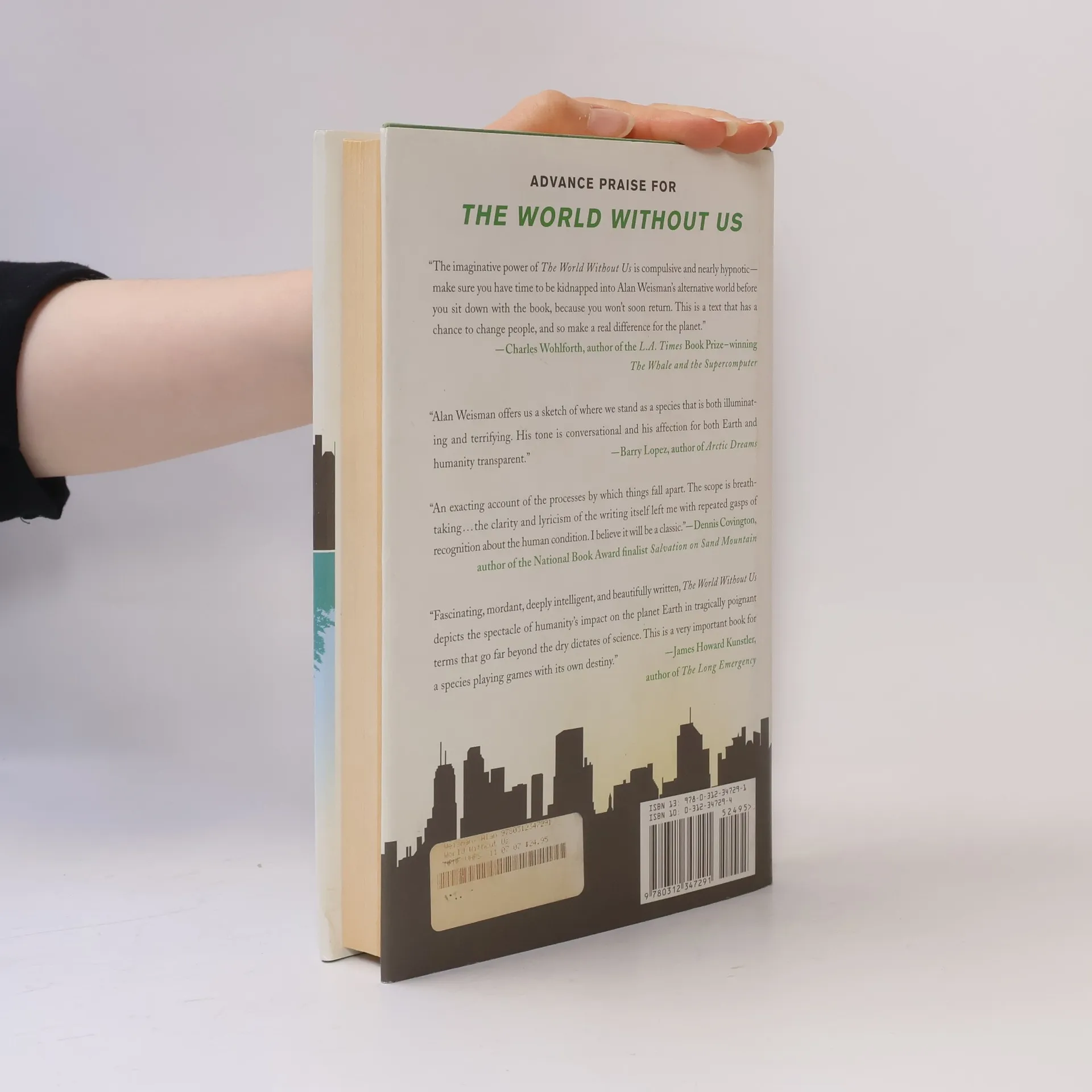
The World Without Us, Alan Weisman, Bill McKibben
- Idioma

- Publicado en
- 2007
- product-detail.submit-box.info.binding
- (Tapa dura),
- Estado del libro
- Dañado
- Precio
- 1,61 €
Métodos de pago
Nos falta tu reseña aquí
- Título
- The World Without Us
- Idioma
- Inglés
- Autores
- Alan Weisman, Bill McKibben
- Publicado en
- 2007
- Formato
- Tapa dura
- Páginas
- 324
- ISBN10
- 0312347294
- ISBN13
- 9780312347291
- Serie
- Etiquetas
- No ficción, Ciencia y Matemáticas, Naturaleza, Ciencia, Temática ecológica, Ecología, Ciencias ambientales
- Primera publicación
- 2007
- Título original
- The World Without Us
- Calificación
- 3,85 de 5
- Descripción
- Journalist Weisman offers an original approach to questions of humanity's impact on the planet. Drawing on the expertise of engineers, atmospheric scientists, art conservators, zoologists, oil refiners, marine biologists, astrophysicists, religious leaders, and paleontologists, he illustrates what the planet might be like today if humans disappeared. He explains how our massive infrastructure would collapse and finally vanish without human presence; which everyday items may become immortalized as fossils; how copper pipes and wiring would be crushed into mere seams of reddish rock; why some of our earliest buildings might be the last architecture left; and how plastic, bronze sculpture, radio waves, and some man-made molecules may be our most lasting gifts to the universe. As he shows which human devastations are indelible, and which examples of our highest art and culture would endure longest, Weisman's narrative ultimately drives toward a radical but persuasive solution that needn't depend on our demise.--From publisher description.