

Parámetros
Más información sobre el libro
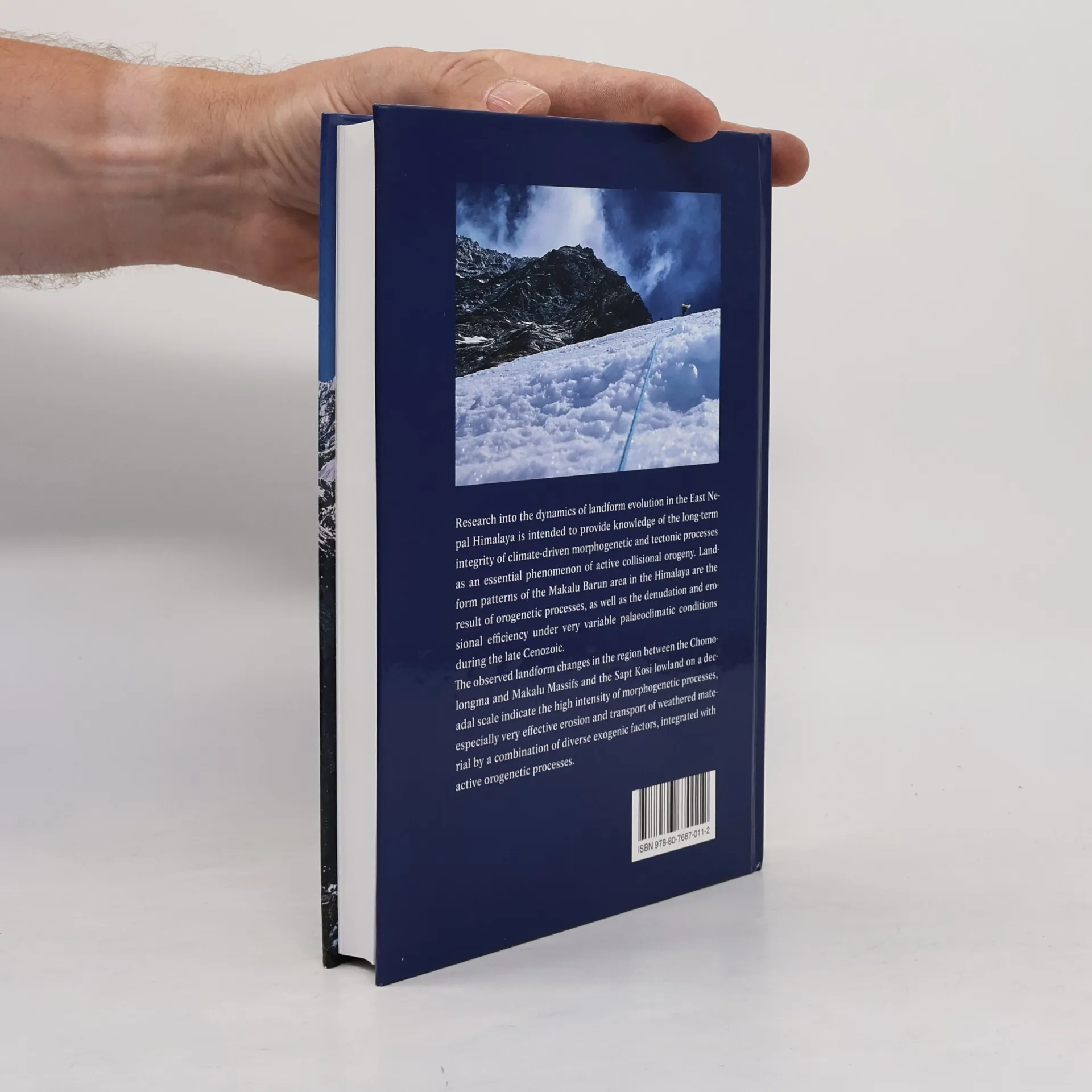
Research into the dynamics of landform evolution in the East Nepal Himalaya is intended to provide knowledge of the long-term integrity of climate-driven morphogenetic and tectonic processes as an essential phenomenon of active collisional orogeny. Landform patterns of the Makalu Barun area in the Himalaya are the result of orogenetic processes, as well as the denudation and erosional efficiency under very variable palaeoclimatic conditions during the late Cenozoic. The observed landform changes in the region between the Chomolongma and Makalu Massifs and the Sapt Kosi lowland on a decadal scale indicate the high intensity of morphogenetic processes, especially very effective erosion and transport of weathered material by a combination of diverse exogenic factors, integrated with active orogenetic processes.
Compra de libros
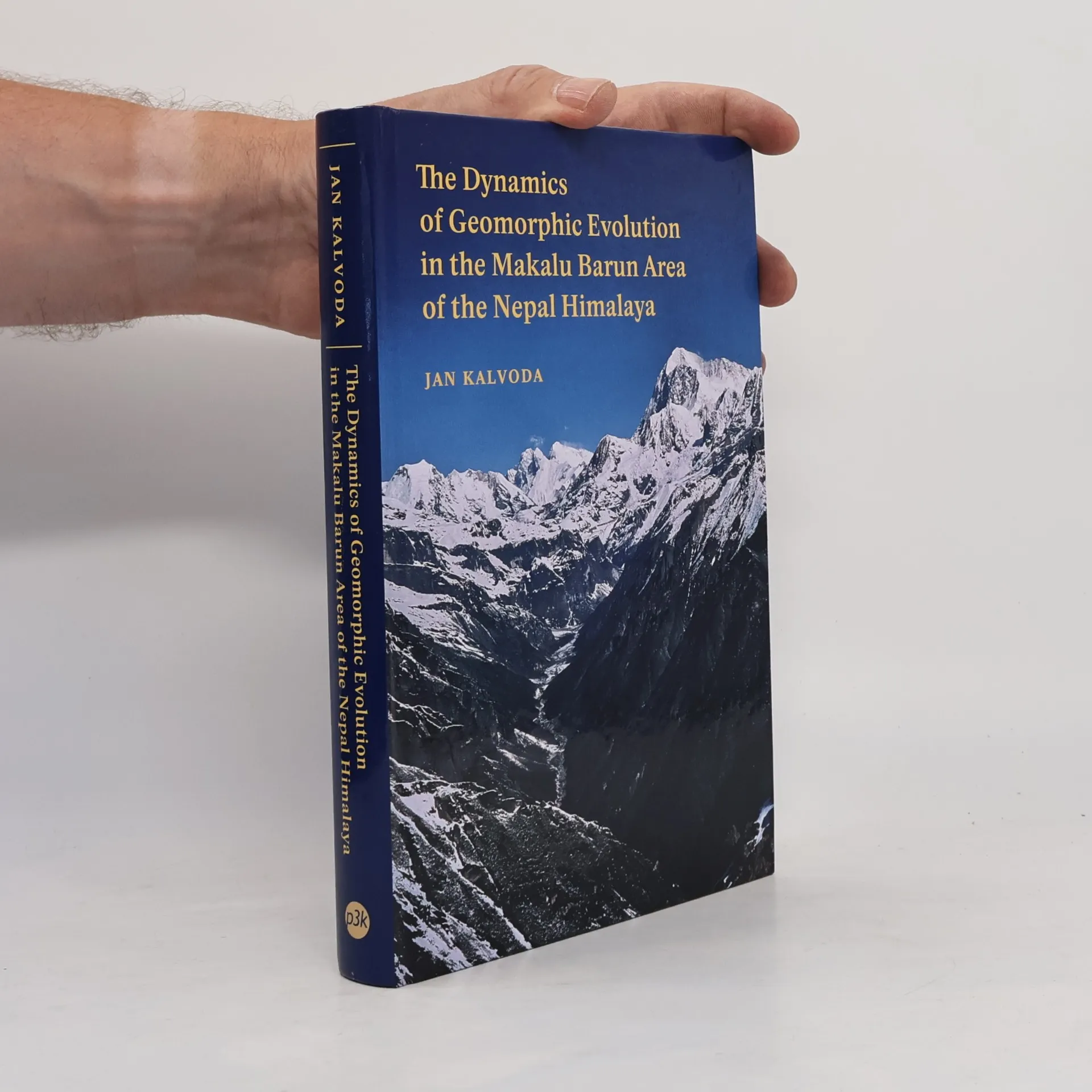
The Dynamics of Geomorphic Evolution in the Makalu Barun Area of the Nepal Himalaya, Jan Kalvoda
- Idioma

- Publicado en
- 2020
- Encuadernación
- (Tapa dura)
Métodos de pago
Nadie lo ha calificado todavía.
- Título
- The Dynamics of Geomorphic Evolution in the Makalu Barun Area of the Nepal Himalaya
- Idioma
- Inglés
- Autores
- Jan Kalvoda
- Editorial
- P3K
- Publicado en
- 2020
- Formato
- Tapa dura
- ISBN10
- 807667011X
- ISBN13
- 9788076670112
- Serie
- Etiquetas
- Cambio climático, Geomorfología
- Descripción
- Research into the dynamics of landform evolution in the East Nepal Himalaya is intended to provide knowledge of the long-term integrity of climate-driven morphogenetic and tectonic processes as an essential phenomenon of active collisional orogeny. Landform patterns of the Makalu Barun area in the Himalaya are the result of orogenetic processes, as well as the denudation and erosional efficiency under very variable palaeoclimatic conditions during the late Cenozoic. The observed landform changes in the region between the Chomolongma and Makalu Massifs and the Sapt Kosi lowland on a decadal scale indicate the high intensity of morphogenetic processes, especially very effective erosion and transport of weathered material by a combination of diverse exogenic factors, integrated with active orogenetic processes.