


Más información sobre el libro
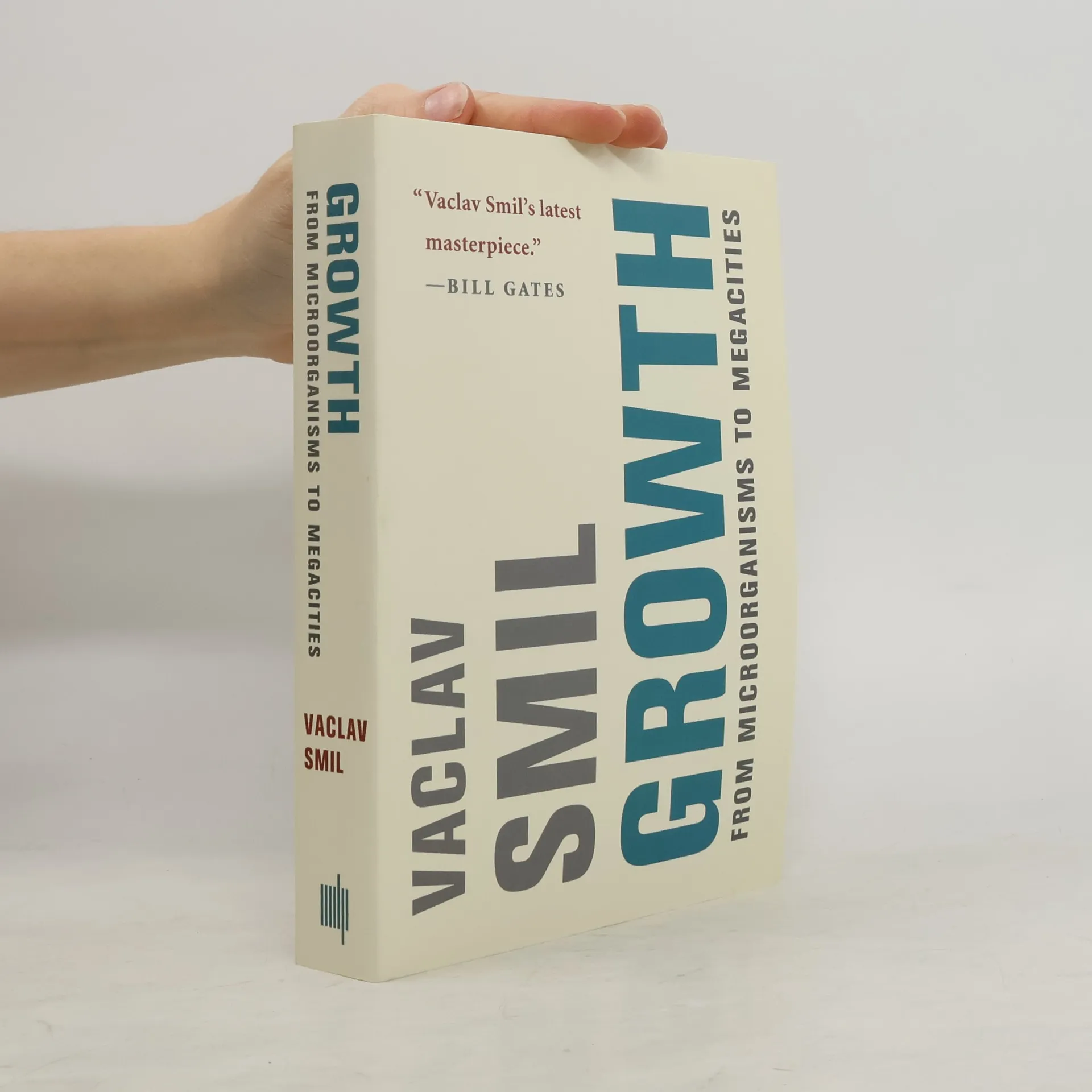
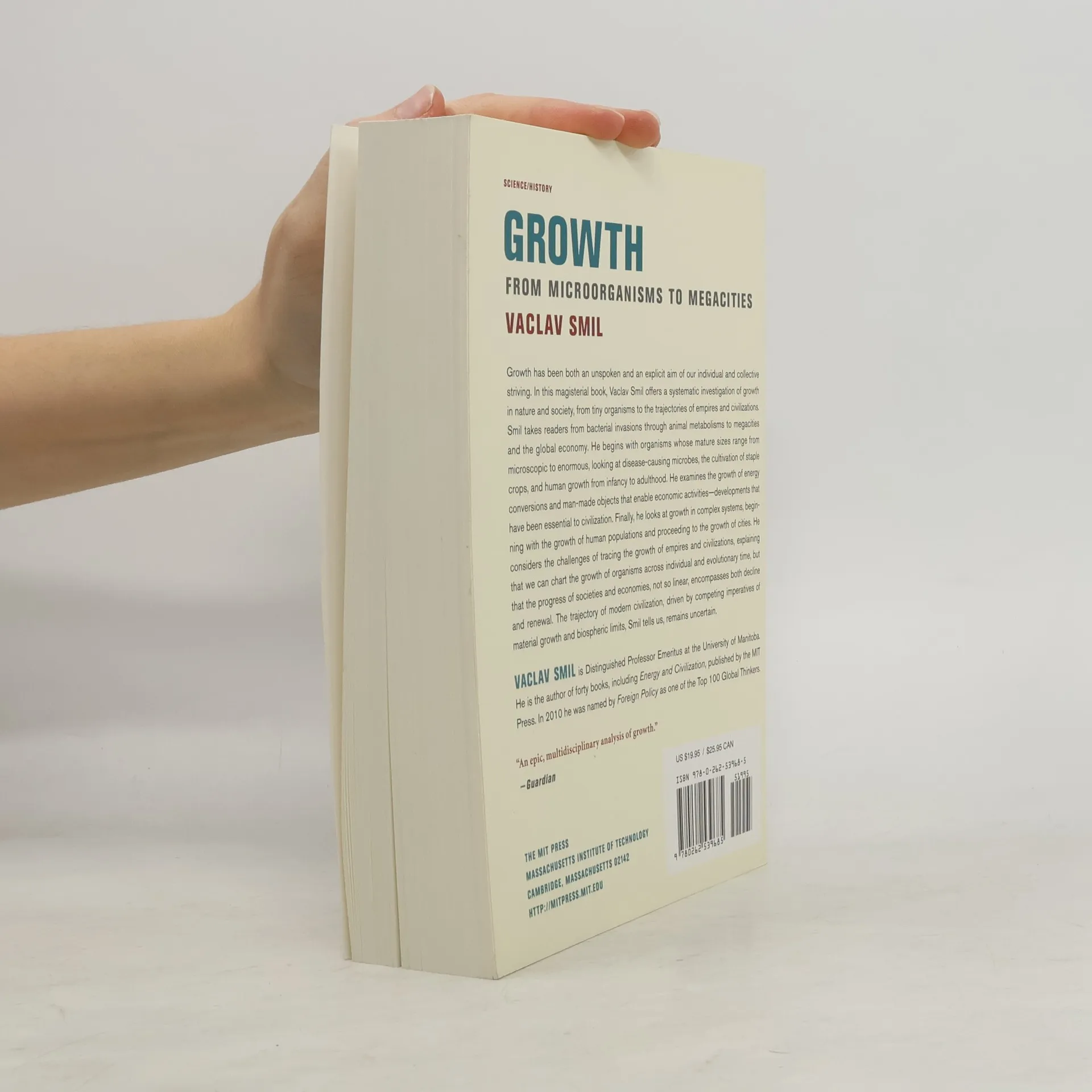
Growth is a fundamental aim of our individual and collective endeavors, influencing everything from microorganisms to galaxies, and shaping our economies and brain capabilities. It is evident in various forms, such as the annual increments of continental crust, rising GDP, children's growth charts, and the spread of cancer cells. This comprehensive exploration delves into growth in both nature and society, encompassing everything from tiny organisms to the trajectories of empires. The author examines the growth of organisms, including disease-causing microbes and staple crops, as well as human development from infancy to adulthood. Additionally, the book addresses the growth of energy conversions and man-made objects that are crucial for economic activities, highlighting their significance to civilization. The narrative progresses to complex systems, focusing on human population growth and urban expansion. It tackles the challenges of analyzing the growth of empires and civilizations, noting that while organism growth can be charted over time, societal and economic progress is less linear, often involving cycles of decline and renewal. Ultimately, the trajectory of modern civilization, shaped by the tension between material growth and biospheric limits, remains uncertain.
Idioma



Compra de libros
Growth: From microorganisms to megacities., Vaclav Smil
- Idioma

- Publicado en
- 2019
- product-detail.submit-box.info.binding
- (Tapa blanda)
Métodos de pago
Nos falta tu reseña aquí
- Idioma
- Inglés
- Autores
- Vaclav Smil
- Publicado en
- 2019
- Formato
- Tapa blanda
- Páginas
- 664
- ISBN10
- 0262539683
- ISBN13
- 9780262539685
- Serie
- Etiquetas
- No ficción, Ciencias sociales, Tema histórico, Historia, Comercio, Negocios & Gestión, Tecnología & Ingeniería, Temática filosófica, Filosofía, Ciencia, Economía, Tecnología
- Calificación
- 3,85 de 5
- Descripción
- Growth is a fundamental aim of our individual and collective endeavors, influencing everything from microorganisms to galaxies, and shaping our economies and brain capabilities. It is evident in various forms, such as the annual increments of continental crust, rising GDP, children's growth charts, and the spread of cancer cells. This comprehensive exploration delves into growth in both nature and society, encompassing everything from tiny organisms to the trajectories of empires. The author examines the growth of organisms, including disease-causing microbes and staple crops, as well as human development from infancy to adulthood. Additionally, the book addresses the growth of energy conversions and man-made objects that are crucial for economic activities, highlighting their significance to civilization. The narrative progresses to complex systems, focusing on human population growth and urban expansion. It tackles the challenges of analyzing the growth of empires and civilizations, noting that while organism growth can be charted over time, societal and economic progress is less linear, often involving cycles of decline and renewal. Ultimately, the trajectory of modern civilization, shaped by the tension between material growth and biospheric limits, remains uncertain.