

Más información sobre el libro
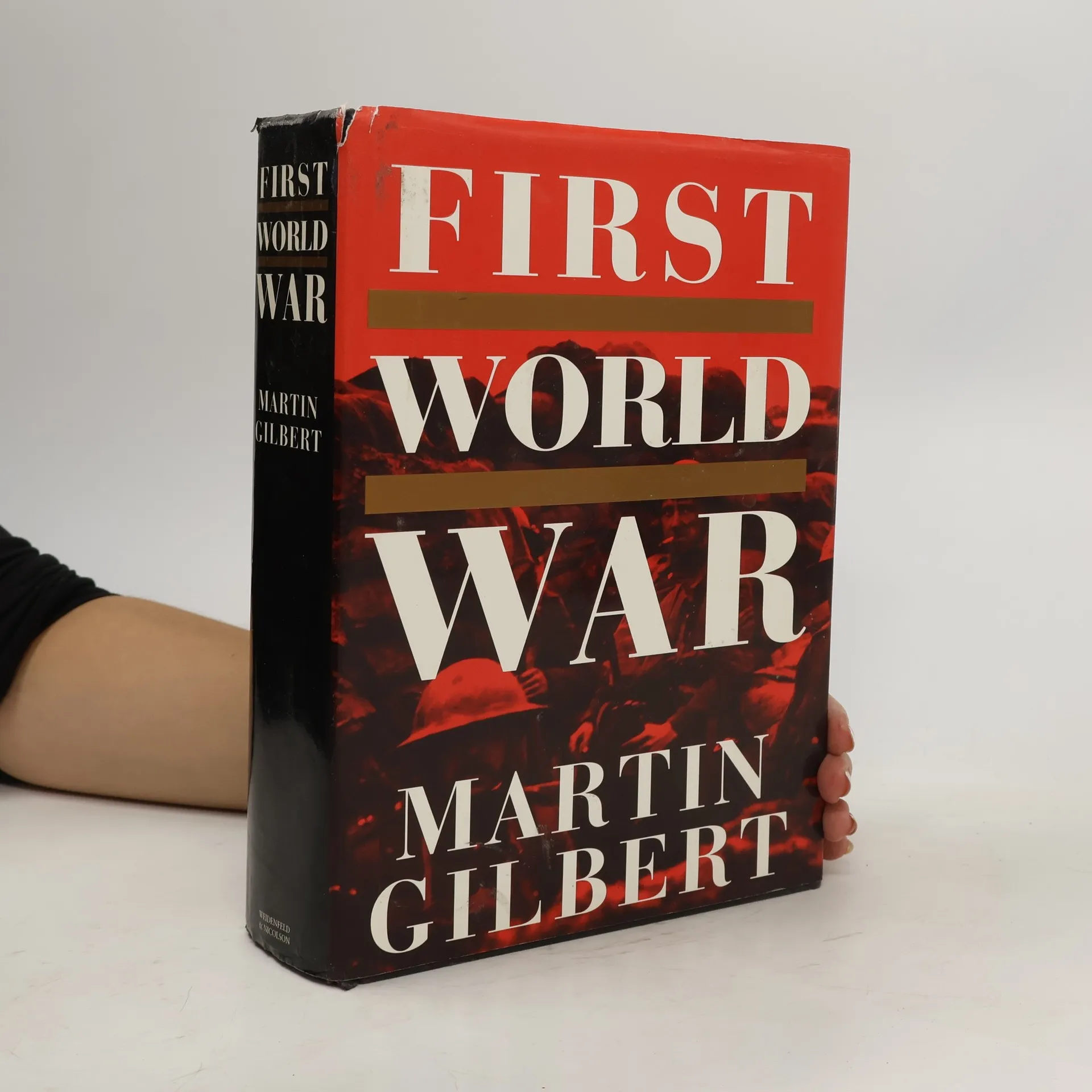
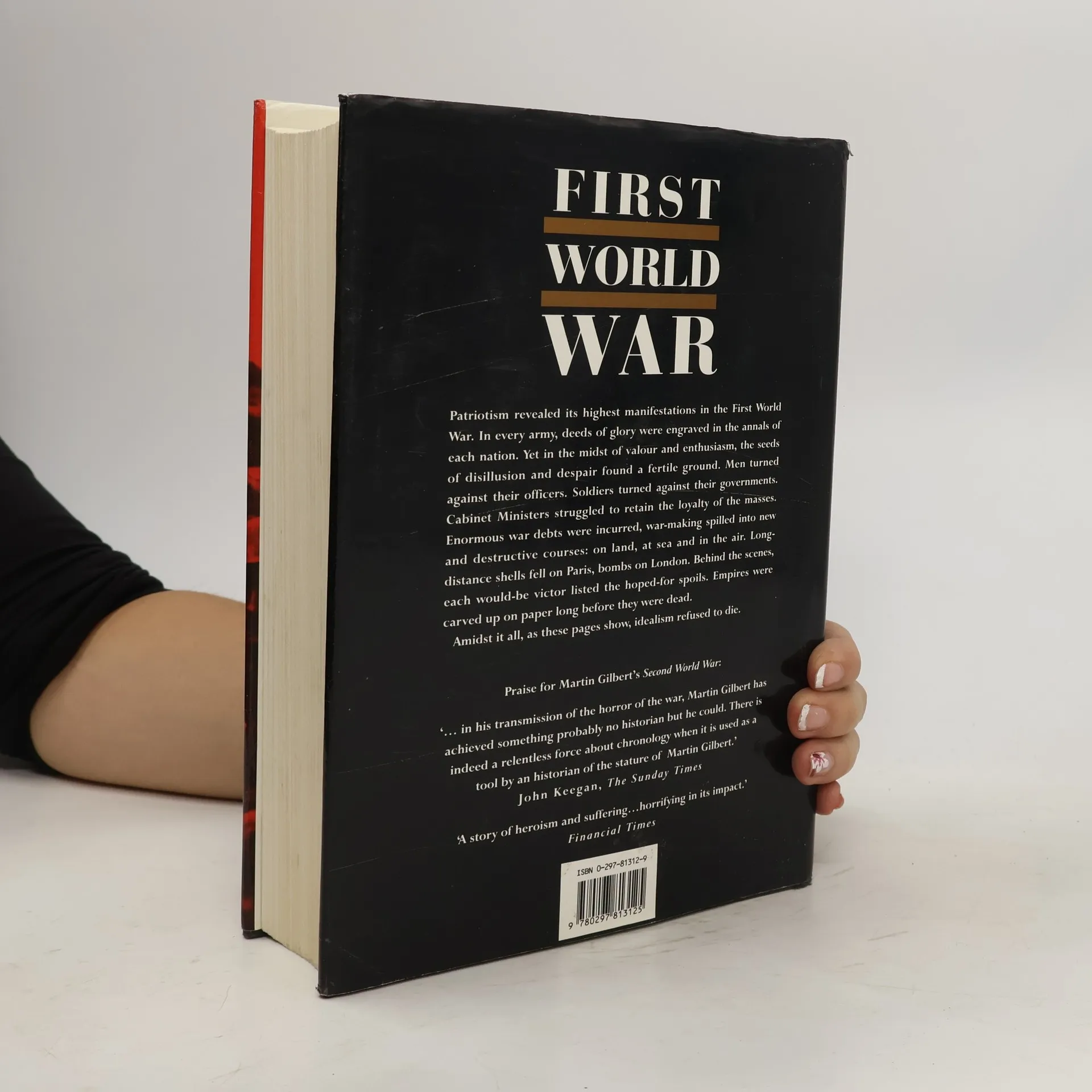
EUROPEAN HISTORY: FIRST WORLD WAR. WWI began at 11.15 on the morning of June 28, 1914, in Sarajevo. It would end officially almost five years later. Unoffically, it has never ended: The horrors we live with today were born in the First World War. It left millions - civilians and soldiers - maimed or dead. And it left us with new technologies of death: tanks, planes, and submarines; reliable rapid-fire machine guns, poison gas and chemical warfare. It introduced us to unrestricted war on civilians and mistreatment of prisoners. Most of all, it changed our world. In its wake, empires toppled, monarchies fell, whole populations lost their national indentities as political systems and geographic boundaries relaligned. Instabilities were institutionalised, enmities enshrined. Manners, mores, codes of behaviour, literature, education and class distinctions - all underwent a vast sea change. In all these ways, the twentieth century can be said to have been born on the morning of June 28, 1914.




Compra de libros
First World War, Martin Gilbert
- Idioma

- Publicado en
- 1994
- Encuadernación
- (Tapa dura)
Métodos de pago
Nos falta tu reseña aquí
- Título
- First World War
- Idioma
- Inglés
- Autores
- Martin Gilbert
- Editorial
- Weidenfeld & Nicolson
- Publicado en
- 1994
- Formato
- Tapa dura
- Páginas
- 616
- ISBN10
- 0297813129
- ISBN13
- 9780297813125
- Serie
- Etiquetas
- No ficción, Tema histórico, Historia, Historia militar, Prosa bélica, Guerras, Primera Guerra Mundial (1914–1918)
- Primera publicación
- 2003
- Título original
- First world war
- Calificación
- 4,15 de 5
- Descripción
- EUROPEAN HISTORY: FIRST WORLD WAR. WWI began at 11.15 on the morning of June 28, 1914, in Sarajevo. It would end officially almost five years later. Unoffically, it has never ended: The horrors we live with today were born in the First World War. It left millions - civilians and soldiers - maimed or dead. And it left us with new technologies of death: tanks, planes, and submarines; reliable rapid-fire machine guns, poison gas and chemical warfare. It introduced us to unrestricted war on civilians and mistreatment of prisoners. Most of all, it changed our world. In its wake, empires toppled, monarchies fell, whole populations lost their national indentities as political systems and geographic boundaries relaligned. Instabilities were institutionalised, enmities enshrined. Manners, mores, codes of behaviour, literature, education and class distinctions - all underwent a vast sea change. In all these ways, the twentieth century can be said to have been born on the morning of June 28, 1914.