

Este es el que agregas al carrito
Parámetros
- 384 páginas
- 14 horas de lectura
Más información sobre el libro
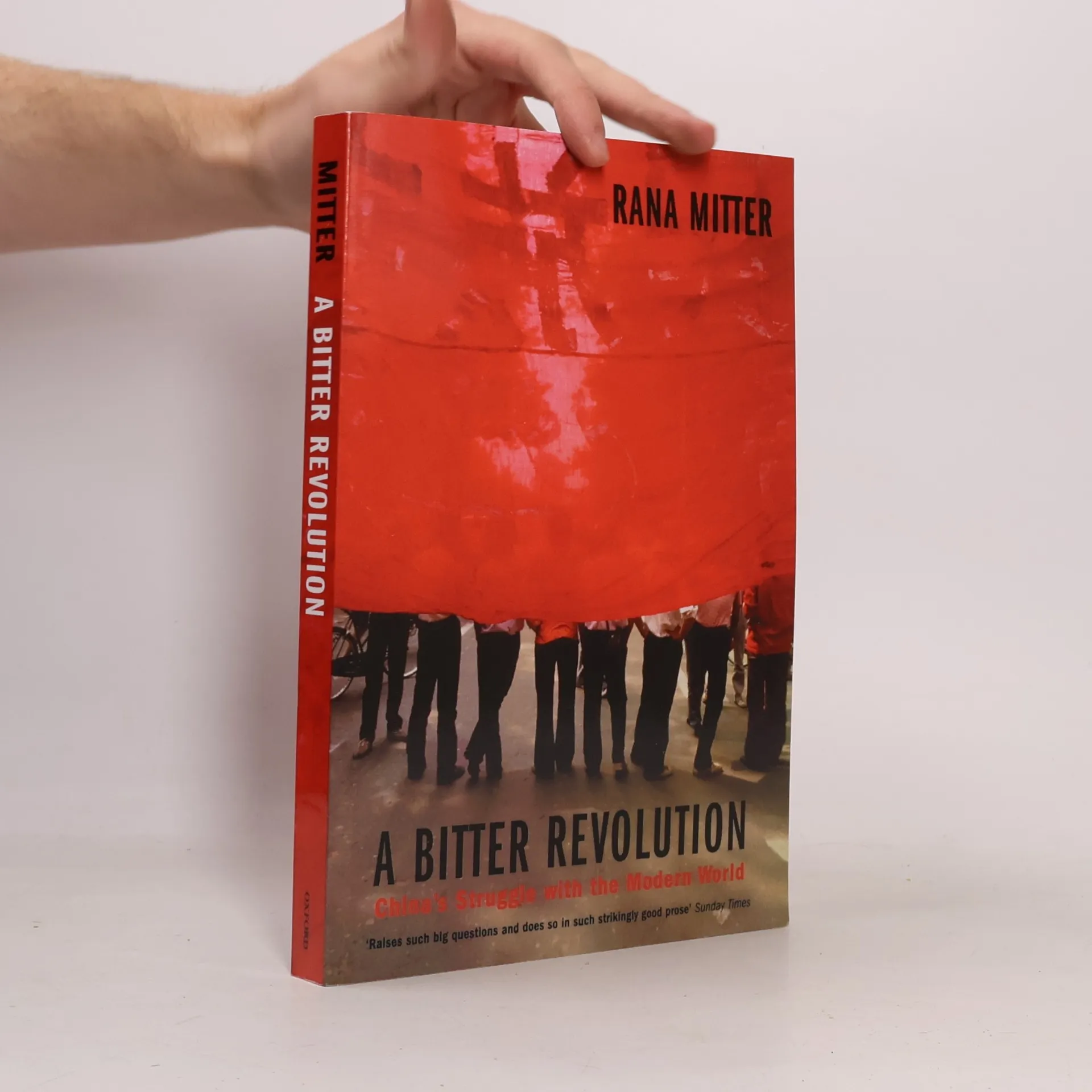
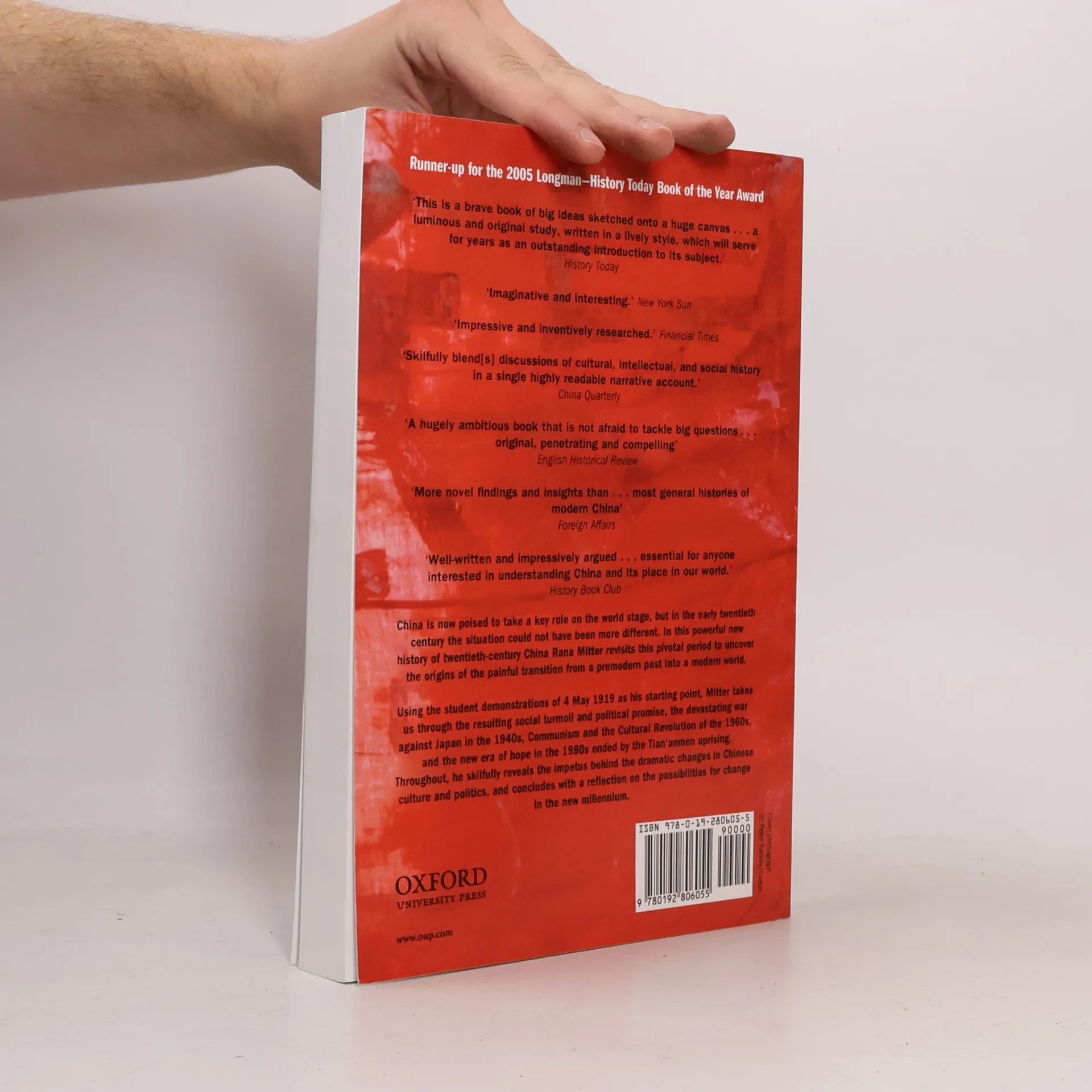
China is poised to take a key role on the world stage, but in the early twentieth century the situation could not have been more different. This book goes back to this pivotal moment in Chinese history to uncover the origins of the painful transition from a premodern past into a modern world.
Publicación

Compra de libros
The Making of the Modern World: A Bitter Revolution, Rana Mitter
- Idioma

- Publicado en
- 2010
- Encuadernación
- (Tapa blanda),
- Estado del libro
- Bueno
- Precio
- 6,99 €
Métodos de pago
Nos falta tu reseña aquí
- Título
- The Making of the Modern World: A Bitter Revolution
- Idioma
- Inglés
- Autores
- Rana Mitter
- Editorial
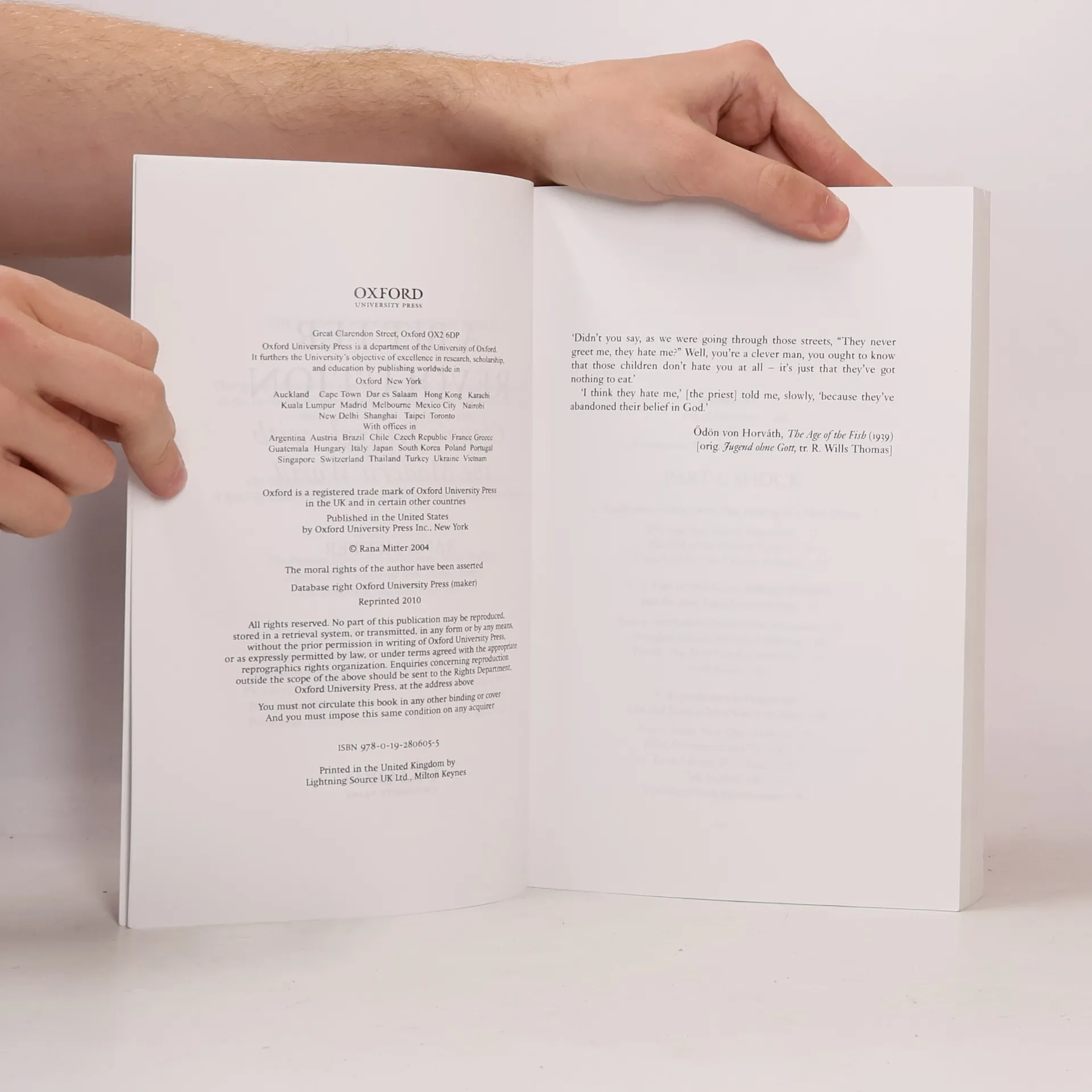
- Oxford University Press
- Publicado en
- 2010
- Formato
- Tapa blanda
- Páginas
- 384
- ISBN10
- 019280605X
- ISBN13
- 9780192806055
- Serie
- Categorías
- Etiquetas
- Tema histórico, Política, Cultura y Sociedad, Asia, China, Relaciones Internacionales
- Calificación
- 3,25 de 5
- Descripción
- China is poised to take a key role on the world stage, but in the early twentieth century the situation could not have been more different. This book goes back to this pivotal moment in Chinese history to uncover the origins of the painful transition from a premodern past into a modern world.