



Valoración del libro
Más información sobre el libro
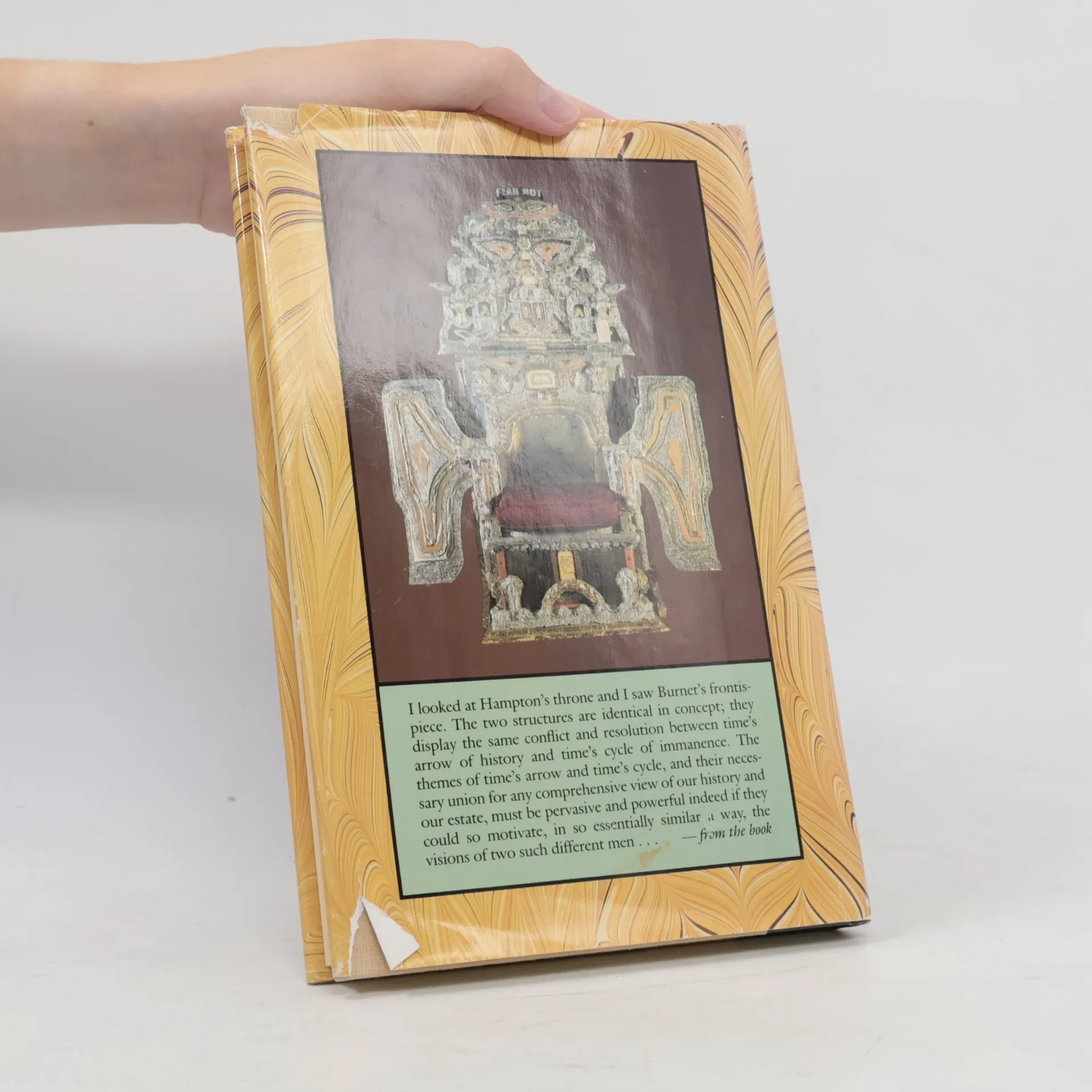
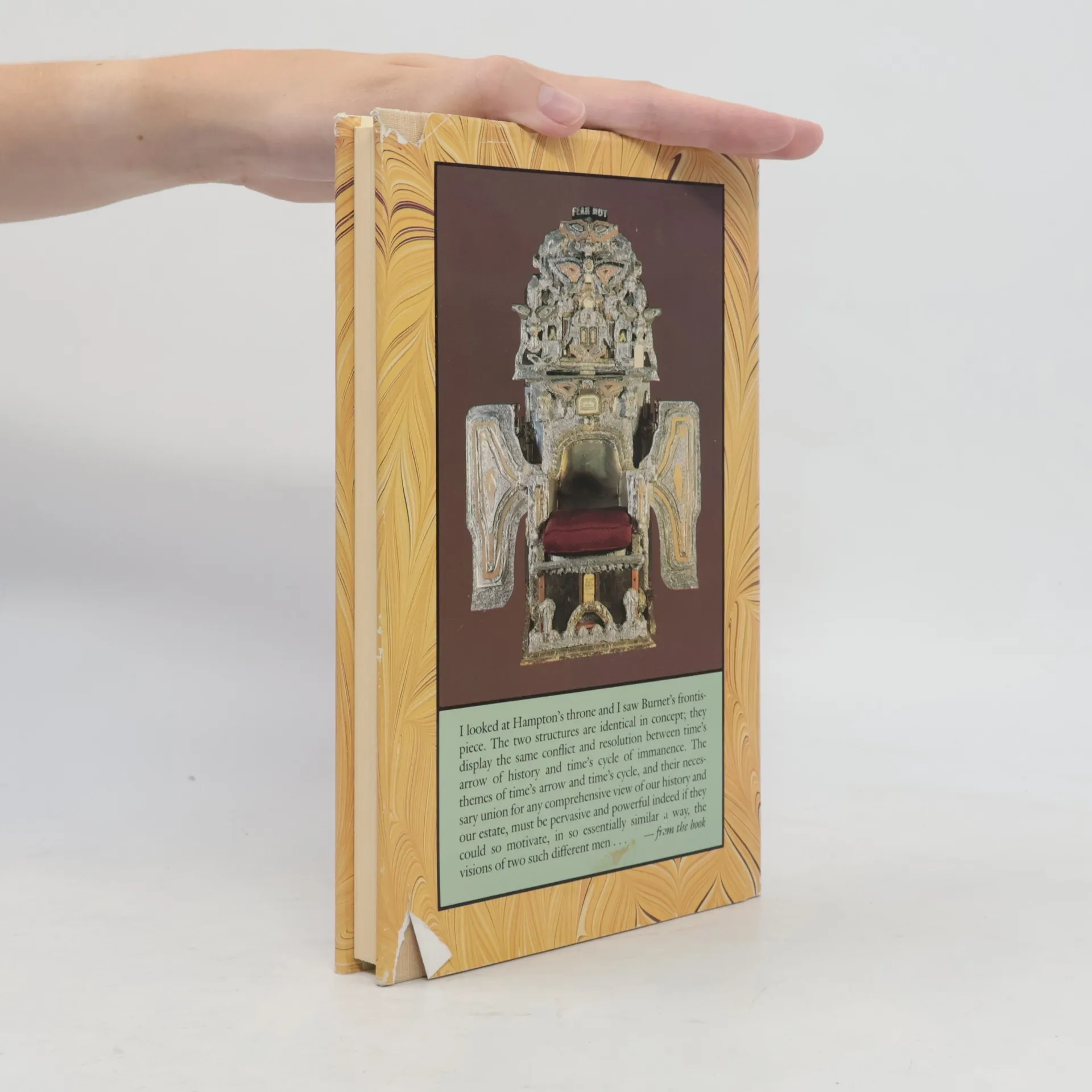
A scholar has achieved remarkable popularity by excelling in his passion for paleontology and evolutionary theory. Stephen Jay Gould's expertise and ability to articulate complex ideas have breathed life into the field, attracting a large audience. In his exploration, he examines geology's profound impact on human understanding, particularly the concept of "deep time," which reflects the immense span of Earth's history, often grasped only through metaphor. He traces a narrative through three pivotal works that shifted our perception of time from thousands to billions of years: Thomas Burnet's "Sacred Theory of the Earth," James Hutton's "Theory of the Earth," and Charles Lyell's "Principles of Geology." Gould emphasizes the significance of metaphor in shaping scientific theories, particularly the dichotomy of time's arrow versus time's cycle in Judeo-Christian thought. He illustrates how these metaphors influenced the discoveries of deep time by Hutton and Lyell, challenging the conventional view of geological history as a straightforward progression toward truth. Rather than being a mere villain, Burnet emerges as a rationalist who highlighted the importance of both narrative history and immanent laws, while Hutton and Lyell's narrow focus on time's arrow limited their understanding of the richness of Earth's history.




Compra de libros
Time's Arrow, Time's Cycle, Gould Stephen Jay
- Idioma

- Publicado en
- 1987
- Encuadernación
- (Tapa dura),
- Estado del libro
- Dañado
- Precio
- 4,25 €
Métodos de pago
Nos falta tu reseña aquí
- Subtítulo
- Myth and Metaphor in the Discovery of Geological Time
- Idioma
- Inglés
- Autores
- Gould Stephen Jay
- Editorial
- Harvard University Press
- Publicado en
- 1987
- Formato
- Tapa dura
- Páginas
- 222
- ISBN10
- 0674891988
- ISBN13
- 9780674891982
- Serie
- Etiquetas
- No ficción, Ciencias sociales, Tema histórico, Historia, Ciencia y Matemáticas, Temática filosófica, Filosofía, Ciencia, Geología y Mineralogía, Geología, Historia de la Ciencia
- Calificación
- 3,95 de 5
- Descripción
- A scholar has achieved remarkable popularity by excelling in his passion for paleontology and evolutionary theory. Stephen Jay Gould's expertise and ability to articulate complex ideas have breathed life into the field, attracting a large audience. In his exploration, he examines geology's profound impact on human understanding, particularly the concept of "deep time," which reflects the immense span of Earth's history, often grasped only through metaphor. He traces a narrative through three pivotal works that shifted our perception of time from thousands to billions of years: Thomas Burnet's "Sacred Theory of the Earth," James Hutton's "Theory of the Earth," and Charles Lyell's "Principles of Geology." Gould emphasizes the significance of metaphor in shaping scientific theories, particularly the dichotomy of time's arrow versus time's cycle in Judeo-Christian thought. He illustrates how these metaphors influenced the discoveries of deep time by Hutton and Lyell, challenging the conventional view of geological history as a straightforward progression toward truth. Rather than being a mere villain, Burnet emerges as a rationalist who highlighted the importance of both narrative history and immanent laws, while Hutton and Lyell's narrow focus on time's arrow limited their understanding of the richness of Earth's history.