

Parámetros
- 96 páginas
- 4 horas de lectura
Más información sobre el libro
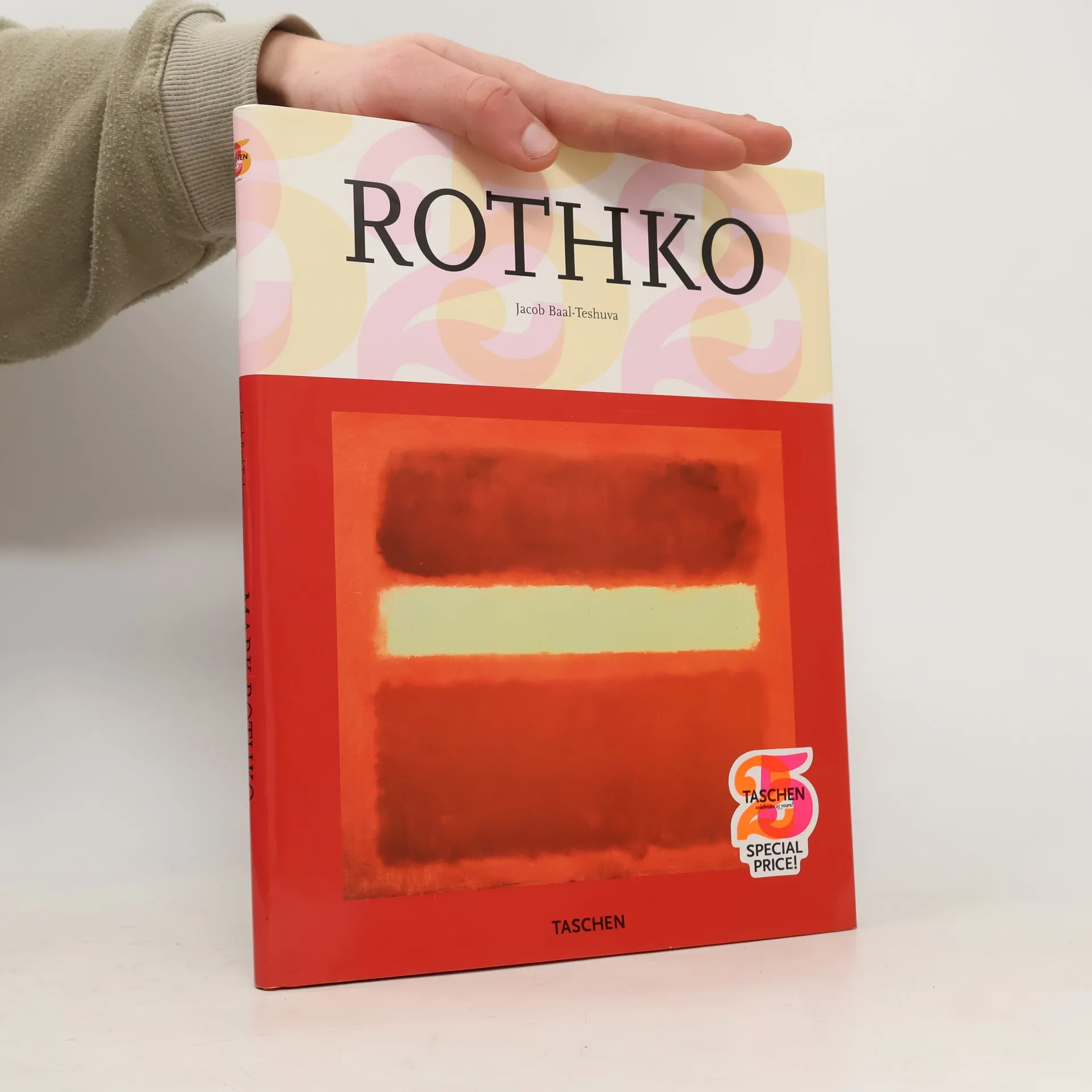
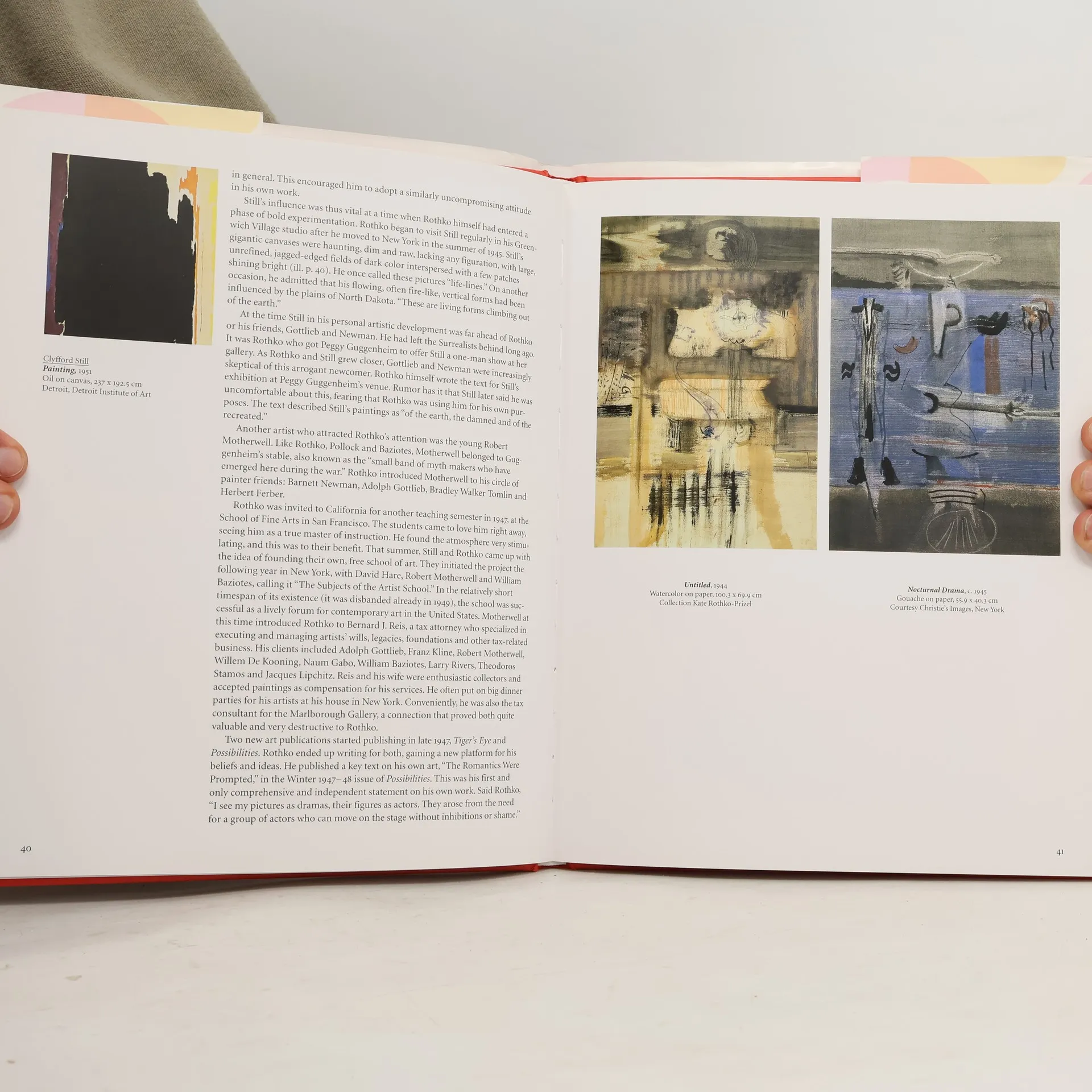
This volume contains a survey of the works by Russian-born American painter Mark Rothko (1903-1970). Rothko belongs to the generation of American artists who completely revolutionized the essence of abstract painting. His stylistic evolution, from a figurative visual repertoire to an abstract style rooted in the active relationship of the observer to the painting, embodied the radical vision of a renaissance in painting. Rothko characterized this relationship as a consummated experience between picture and onlooker. His color formations indeed draw the observer into a space filled with an inner light. He was mainly concerned with the viewer's experience, the merging of work and recipient beyond verbal comprehension





Compra de libros
Mark Rothko : 1903-1970 : pictures as drama, Jacob Baal Teshuva, Mark Rothko
- Idioma

- Publicado en
- 2009
- Encuadernación
- (Tapa dura)
Métodos de pago
Nos falta tu reseña aquí
- Título
- Mark Rothko : 1903-1970 : pictures as drama
- Idioma
- Inglés
- Autores
- Jacob Baal Teshuva, Mark Rothko
- Editorial
- Taschen
- Publicado en
- 2009
- Formato
- Tapa dura
- Páginas
- 96
- ISBN10
- 3836512831
- ISBN13
- 9783836512831
- Serie
- Categorías
- Etiquetas
- Guías y Manuales, Arte, Historia del arte, América
- Calificación
- 4,15 de 5
- Descripción
- This volume contains a survey of the works by Russian-born American painter Mark Rothko (1903-1970). Rothko belongs to the generation of American artists who completely revolutionized the essence of abstract painting. His stylistic evolution, from a figurative visual repertoire to an abstract style rooted in the active relationship of the observer to the painting, embodied the radical vision of a renaissance in painting. Rothko characterized this relationship as a consummated experience between picture and onlooker. His color formations indeed draw the observer into a space filled with an inner light. He was mainly concerned with the viewer's experience, the merging of work and recipient beyond verbal comprehension