


Más información sobre el libro
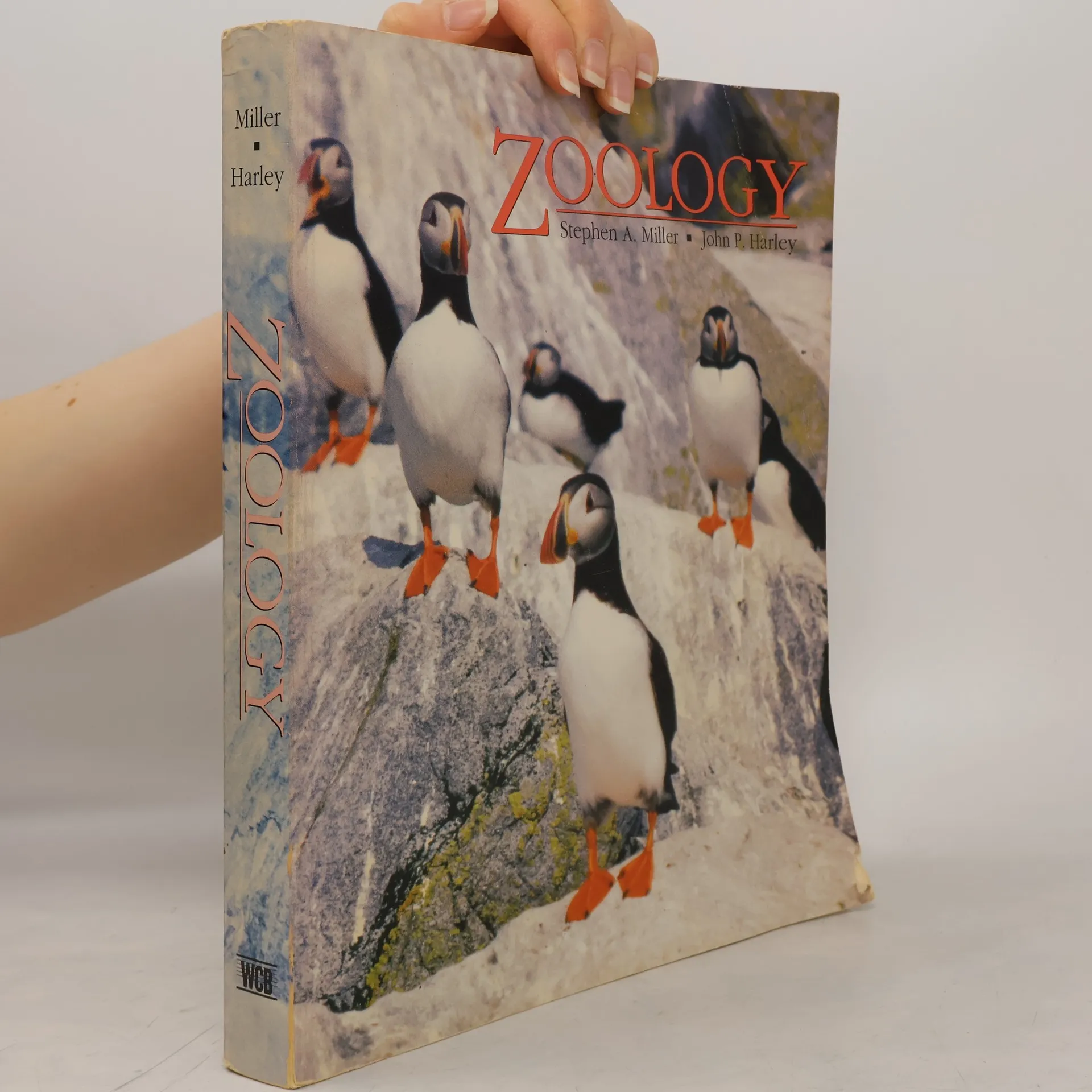
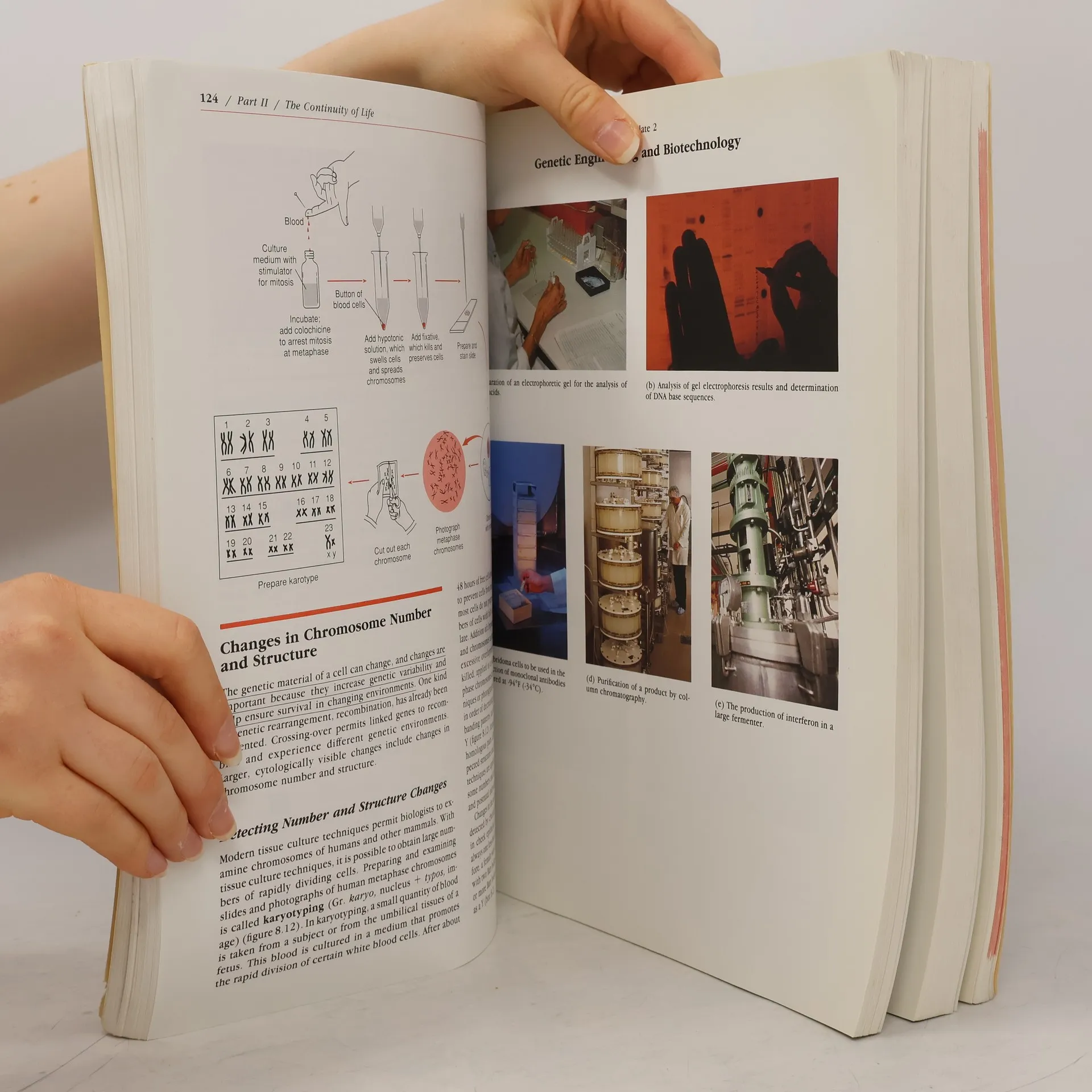
The new 7th edition of "Zoology" continues to offer students an introductory general zoology text that is manageable in size and adaptable to a variety of course formats. It is a principles-oriented text written for the non-majors or the combined course, presented at the freshman and sophomore level. "Zoology" is organized into three parts. Part One covers the common life processes, including cell and tissue structure and function, the genetic basis of evolution, and the evolutionary and ecological principles that unify all life. Part Two is the survey of protists and animals, emphasizing evolutionary and ecological relationships, aspects of animal organization that unite major animal phyla, and animal adaptations. Part Three covers animal form and function using a comparative approach. This approach includes descriptions and full-color artwork that depict evolutionary changes in the structure and function of selected organ systems.



Compra de libros
Zoology, Stephen A. Miller, John P. Harley
- Idioma

- Publicado en
- 1991
- product-detail.submit-box.info.binding
- (Tapa blanda),
- Estado del libro
- Dañado
- Precio
- 3,30 €
Métodos de pago
Nos falta tu reseña aquí
- Título
- Zoology
- Idioma
- Inglés
- Autores
- Stephen A. Miller, John P. Harley
- Editorial
- William C. Brown
- Publicado en
- 1991
- Formato
- Tapa blanda
- Páginas
- 759
- ISBN10
- 0697033473
- ISBN13
- 9780697033475
- Serie
- Etiquetas
- No ficción, Libros de texto, Naturaleza, Ciencias naturales, Ciencia, Libros de texto de biología
- Calificación
- 4,25 de 5
- Descripción
- The new 7th edition of "Zoology" continues to offer students an introductory general zoology text that is manageable in size and adaptable to a variety of course formats. It is a principles-oriented text written for the non-majors or the combined course, presented at the freshman and sophomore level. "Zoology" is organized into three parts. Part One covers the common life processes, including cell and tissue structure and function, the genetic basis of evolution, and the evolutionary and ecological principles that unify all life. Part Two is the survey of protists and animals, emphasizing evolutionary and ecological relationships, aspects of animal organization that unite major animal phyla, and animal adaptations. Part Three covers animal form and function using a comparative approach. This approach includes descriptions and full-color artwork that depict evolutionary changes in the structure and function of selected organ systems.