


Más información sobre el libro
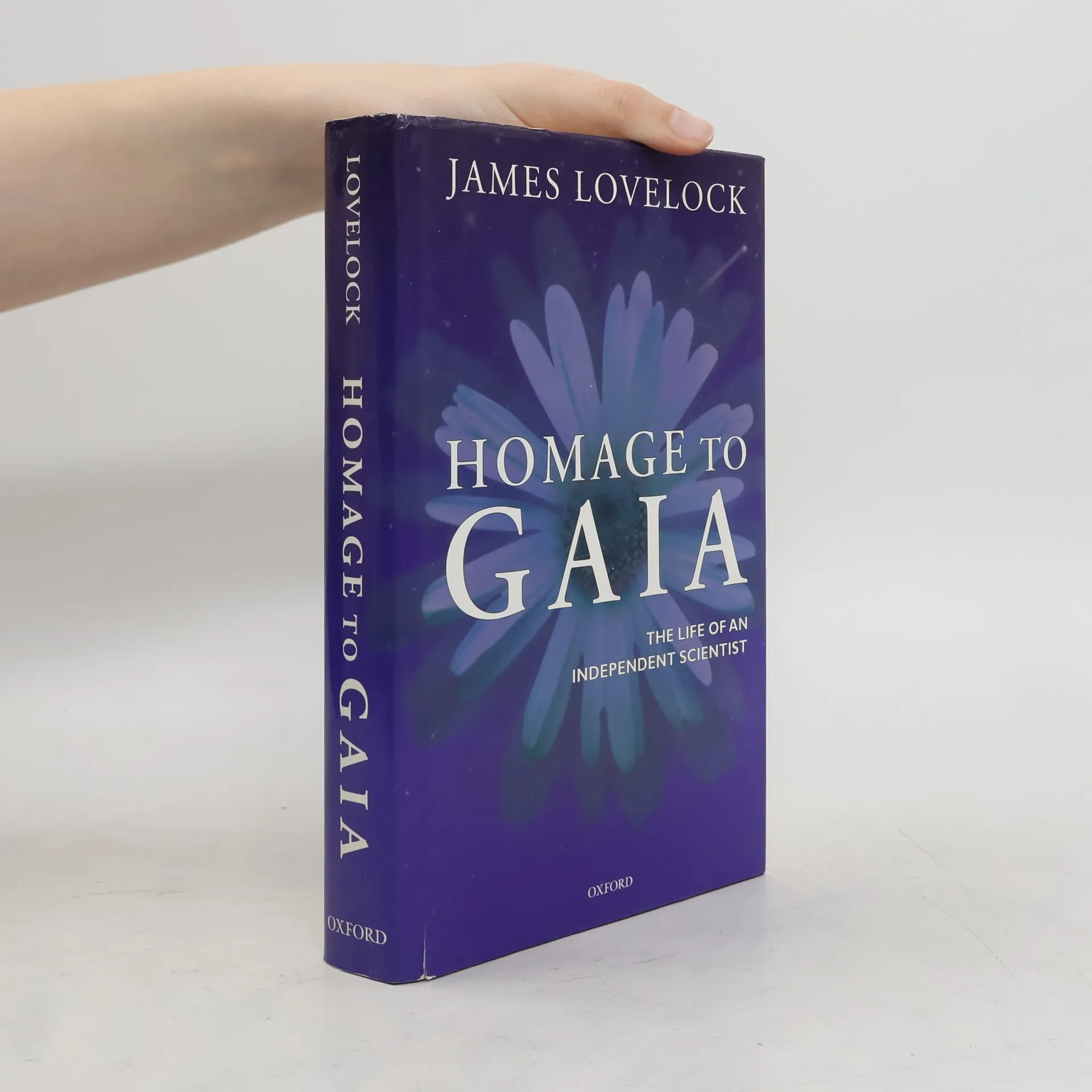
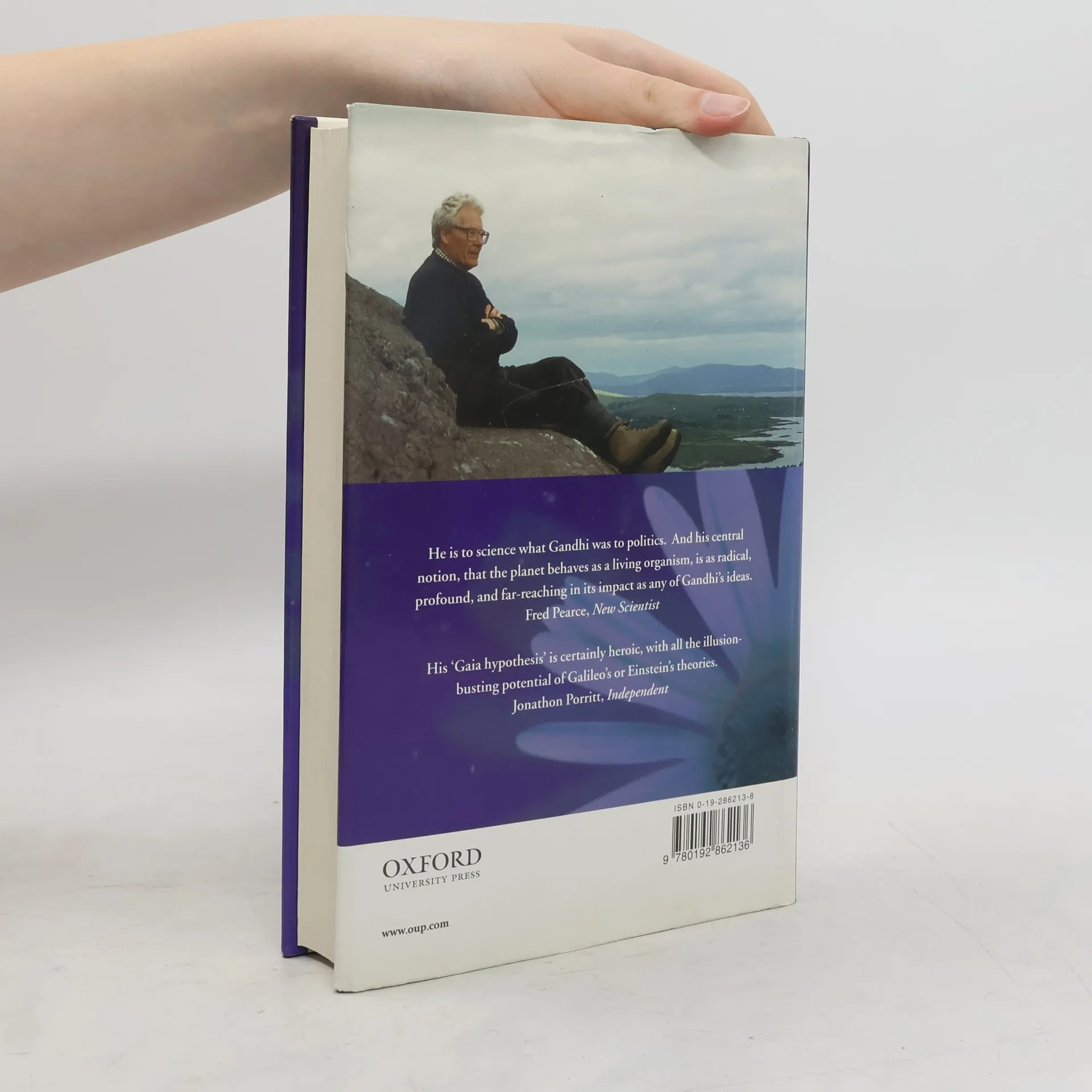
James Lovelock tells the fascinating story of his life as an independent scientist and how he came to develop his inventions and theories. He has filed more than 50 patents, including one for the electron capture detector that was important in the development of environmental awareness, inconnection with both the detection of pesticide residues in the environment and the discovery of the global distribution of CFCs. He also tells us about the work he has done for organizations such as NASA, the Ministry of Defence, The Marine Biological Association, and many companies such as Shell,and Hewlett Packard. From his childhood days in east London to a job as a lab assistant - his first crucial steps to becoming a scientist, from chemistry at Manchester University to the Medical Research Council during World War II, his voyage to the Arctic, taking his family to America, returning toEngland and fighting to save the ozone layer, his quest for gaia, then into the nineties and a stream of awards, including a CBE from the Queen. James Lovelock has lead a fulfilling life and has been widely recognised by the international scientific community.


Compra de libros
Homage to Gaia, James Lovelock
- Idioma

- Publicado en
- 2000
- Encuadernación
- (Tapa blanda)
Métodos de pago
Nos falta tu reseña aquí
- Título
- Homage to Gaia
- Subtítulo
- The Life of an Independent Scientist
- Idioma
- Inglés
- Autores
- James Lovelock
- Editorial
- Oxford University Press
- Publicado en
- 2000
- Formato
- Tapa blanda
- Páginas
- 434
- Serie
- Etiquetas
- Ciencia, Temática ecológica, Cambio climático
- Calificación
- 3,9 de 5
- Descripción
- James Lovelock tells the fascinating story of his life as an independent scientist and how he came to develop his inventions and theories. He has filed more than 50 patents, including one for the electron capture detector that was important in the development of environmental awareness, inconnection with both the detection of pesticide residues in the environment and the discovery of the global distribution of CFCs. He also tells us about the work he has done for organizations such as NASA, the Ministry of Defence, The Marine Biological Association, and many companies such as Shell,and Hewlett Packard. From his childhood days in east London to a job as a lab assistant - his first crucial steps to becoming a scientist, from chemistry at Manchester University to the Medical Research Council during World War II, his voyage to the Arctic, taking his family to America, returning toEngland and fighting to save the ozone layer, his quest for gaia, then into the nineties and a stream of awards, including a CBE from the Queen. James Lovelock has lead a fulfilling life and has been widely recognised by the international scientific community.