

Parámetros
- 320 páginas
- 12 horas de lectura
Más información sobre el libro
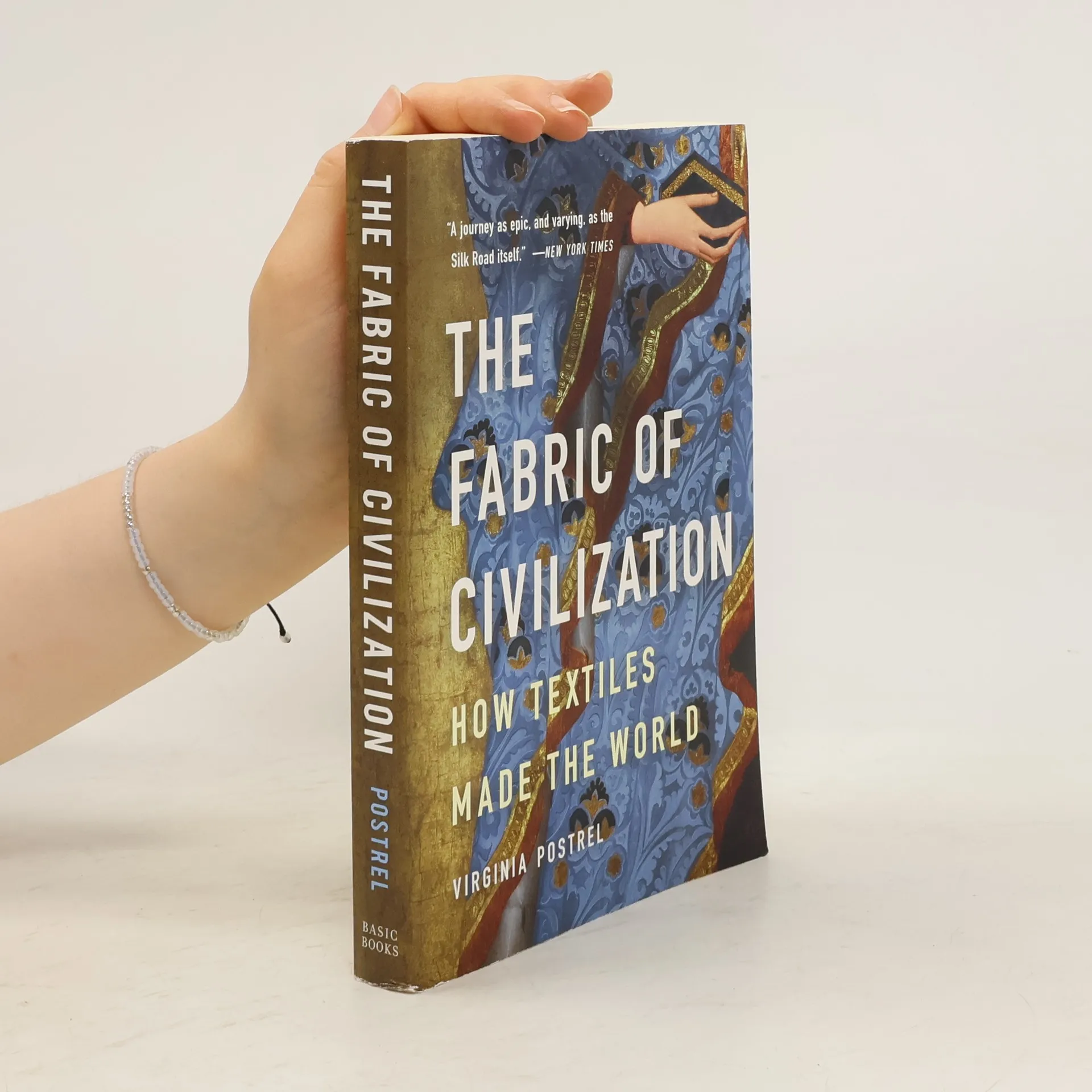
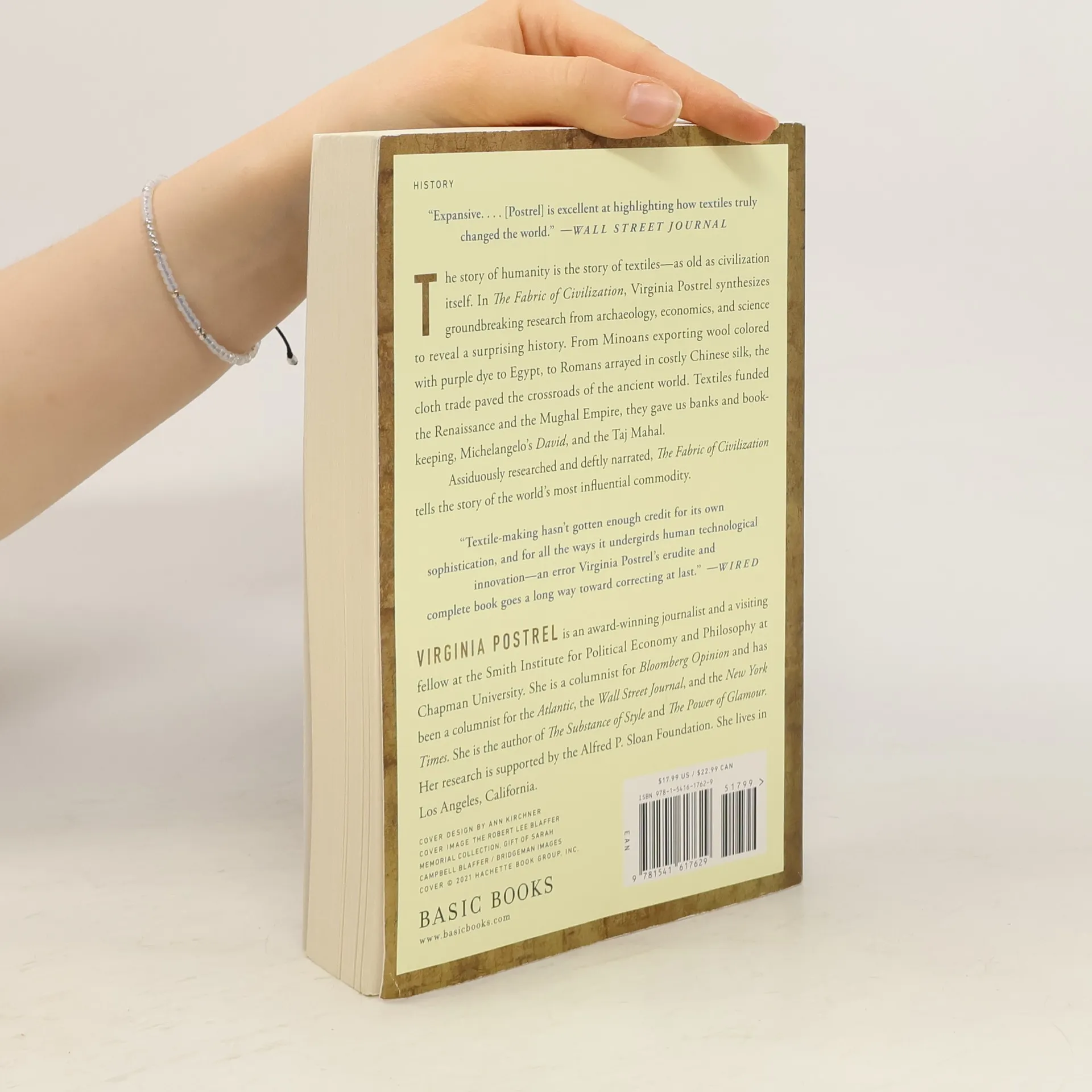
From Neanderthal string to 3D knitting, this expansive global history reveals how textiles have shaped humanity. The narrative begins with the first thread spun, illustrating how the demand for textiles has influenced technology, business, politics, and culture throughout civilization. Groundbreaking research from archaeology, economics, and science uncovers a surprising history, from Minoans exporting wool dyed with precious purple to Romans adorned in costly Chinese silk. The cloth trade served as a vital link in the ancient world, funding the Renaissance and the Mughal Empire while also giving rise to banks and bookkeeping, as well as masterpieces like Michelangelo's David and the Taj Mahal. Textiles not only spread the alphabet and arithmetic but also propelled chemical research and introduced binary thinking. This meticulously researched and engaging narrative tells the story of the world's most significant commodity. It offers a journey as rich and varied as the Silk Road itself, presenting a tapestry of history that highlights the sophistication of textile-making and its crucial role in driving human technological innovation.



Compra de libros
Fabric of Civilization, Virginia Postrel
- Idioma

- Publicado en
- 2021
- product-detail.submit-box.info.binding
- (Tapa blanda)
Métodos de pago
Nos falta tu reseña aquí
- Título
- Fabric of Civilization
- Subtítulo
- How Textiles Made the World
- Idioma
- Inglés
- Autores
- Virginia Postrel
- Editorial
- Basic Books
- Publicado en
- 2021
- Formato
- Tapa blanda
- Páginas
- 320
- ISBN10
- 1541617622
- ISBN13
- 9781541617629
- Serie
- Etiquetas
- No ficción, Arte / Cultura, Tema histórico, Historia, Comercio, Negocios & Gestión, Arte, Ciencia, Economía, Regalos para mujeres, Temática de moda, Moda, Industria, Tejidos, textil, Industria Textil, Historia del vestuario
- Primera publicación
- 2020
- Título original
- The Fabric of Civilization: How Textiles Made the World
- Calificación
- 4,15 de 5
- Descripción
- From Neanderthal string to 3D knitting, this expansive global history reveals how textiles have shaped humanity. The narrative begins with the first thread spun, illustrating how the demand for textiles has influenced technology, business, politics, and culture throughout civilization. Groundbreaking research from archaeology, economics, and science uncovers a surprising history, from Minoans exporting wool dyed with precious purple to Romans adorned in costly Chinese silk. The cloth trade served as a vital link in the ancient world, funding the Renaissance and the Mughal Empire while also giving rise to banks and bookkeeping, as well as masterpieces like Michelangelo's David and the Taj Mahal. Textiles not only spread the alphabet and arithmetic but also propelled chemical research and introduced binary thinking. This meticulously researched and engaging narrative tells the story of the world's most significant commodity. It offers a journey as rich and varied as the Silk Road itself, presenting a tapestry of history that highlights the sophistication of textile-making and its crucial role in driving human technological innovation.