



Más información sobre el libro
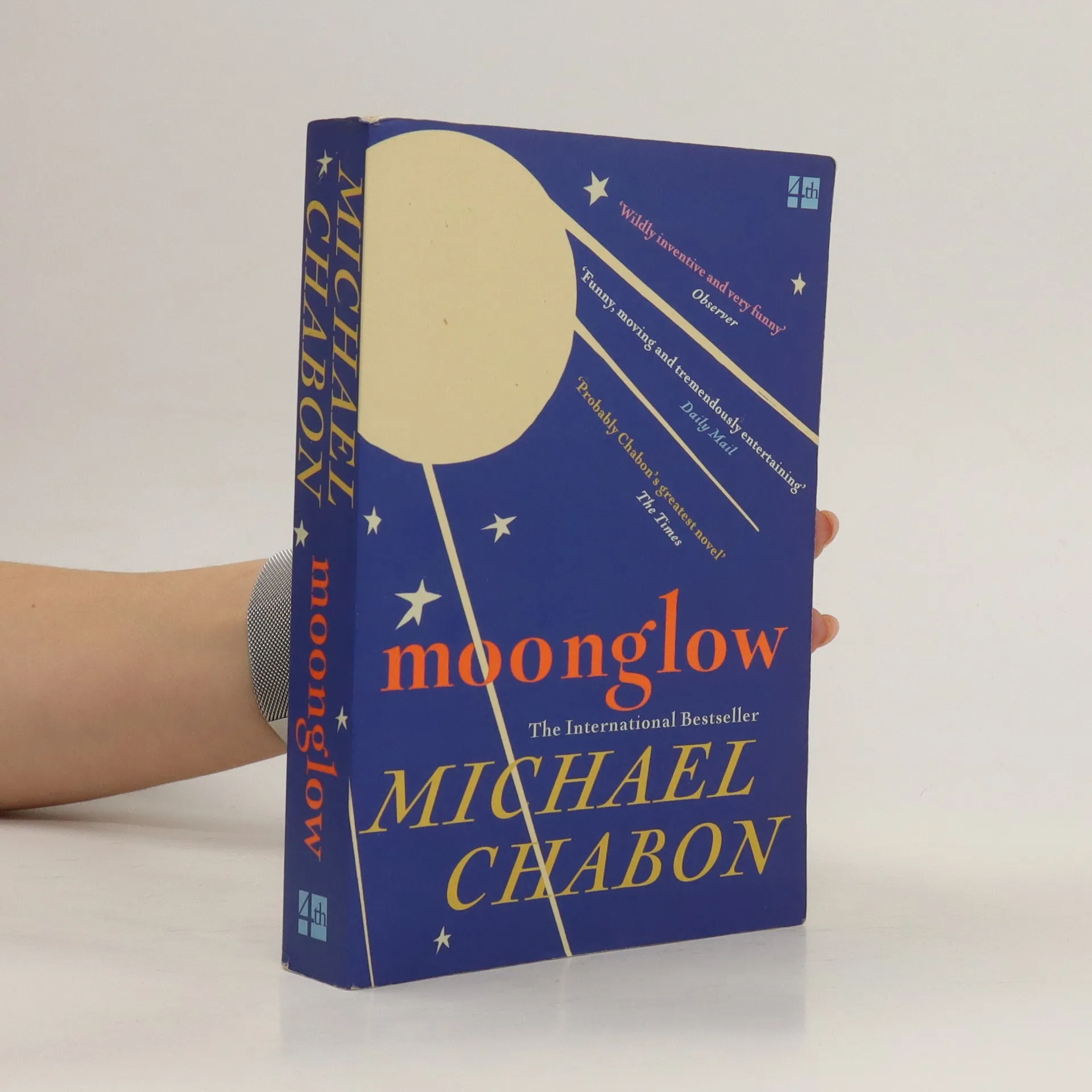
A NEW YORK TIMES BESTSELLER and notable book of the year across multiple platforms, this work is hailed as a masterful piece of sustained writing. It presents a compelling narrative that showcases the versatility of the novel form. The story unfolds as a deathbed confession from an old man, whose memories are stirred by painkillers and the proximity of death. He shares fragmented tales with his grandson, revealing a long-buried history. The narrative poses intriguing questions: Why did he attempt to strangle a business partner? What drove him to set explosives on a Washington, D.C. bridge? What were his thoughts while hunting Wernher von Braun in Germany? And what did he see in a young girl he met in Baltimore post-war? Spanning from the Jewish slums of pre-war Philadelphia to the invasion of Germany, and from a retirement village in Florida to a New York prison, the story encapsulates a vast era within a single life, compressing a lifetime into just one week. The brilliance of this work serves as a striking defense of storytelling and its power to shape our understanding of history and identity.





Compra de libros
Moonglow, Michael Chabon
- Idioma

- Publicado en
- 2017
- product-detail.submit-box.info.binding
- (Tapa blanda)
Métodos de pago
Nos falta tu reseña aquí
- Título
- Moonglow
- Idioma
- Inglés
- Autores
- Michael Chabon
- Editorial
- 4th Estate
- Publicado en
- 2017
- Formato
- Tapa blanda
- ISBN10
- 0007548923
- ISBN13
- 9780007548927
- Serie
- Etiquetas
- Ficción, Tema histórico, Novelas históricas, Familia, Ficción contemporánea, EE.UU., Prosa bélica, Guerras, Segunda Guerra Mundial, Siglo XX, Novelas sociales, Literatura americana, Muerte, Holocausto, Nazismo, Literatura Judía, Genealogía, Humor negro, Literatura posmoderna, Abuelo, Abuelos
- Primera publicación
- 2016
- Título original
- Moonglow
- Calificación
- 3,9 de 5
- Descripción
- A NEW YORK TIMES BESTSELLER and notable book of the year across multiple platforms, this work is hailed as a masterful piece of sustained writing. It presents a compelling narrative that showcases the versatility of the novel form. The story unfolds as a deathbed confession from an old man, whose memories are stirred by painkillers and the proximity of death. He shares fragmented tales with his grandson, revealing a long-buried history. The narrative poses intriguing questions: Why did he attempt to strangle a business partner? What drove him to set explosives on a Washington, D.C. bridge? What were his thoughts while hunting Wernher von Braun in Germany? And what did he see in a young girl he met in Baltimore post-war? Spanning from the Jewish slums of pre-war Philadelphia to the invasion of Germany, and from a retirement village in Florida to a New York prison, the story encapsulates a vast era within a single life, compressing a lifetime into just one week. The brilliance of this work serves as a striking defense of storytelling and its power to shape our understanding of history and identity.