

Parámetros
Más información sobre el libro
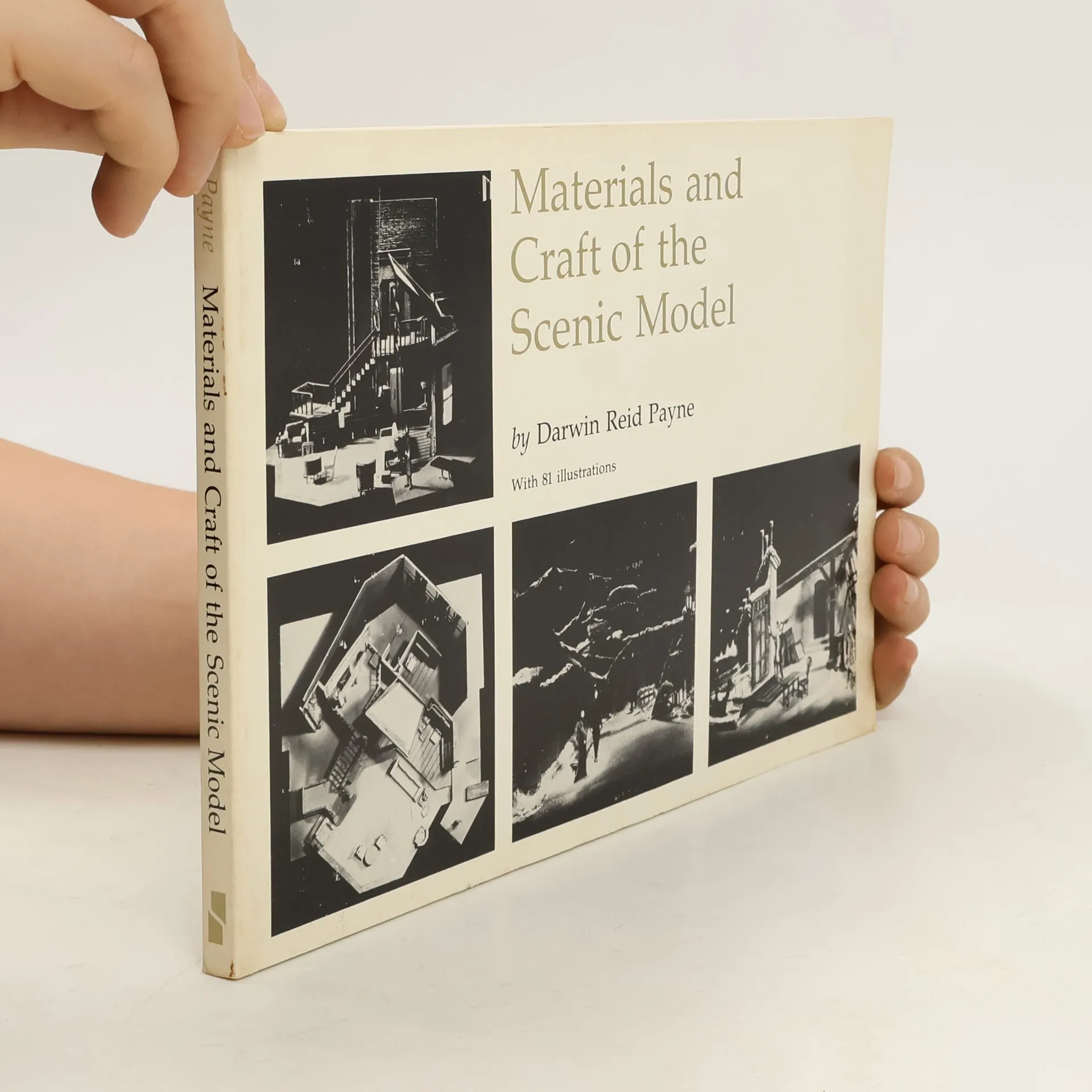
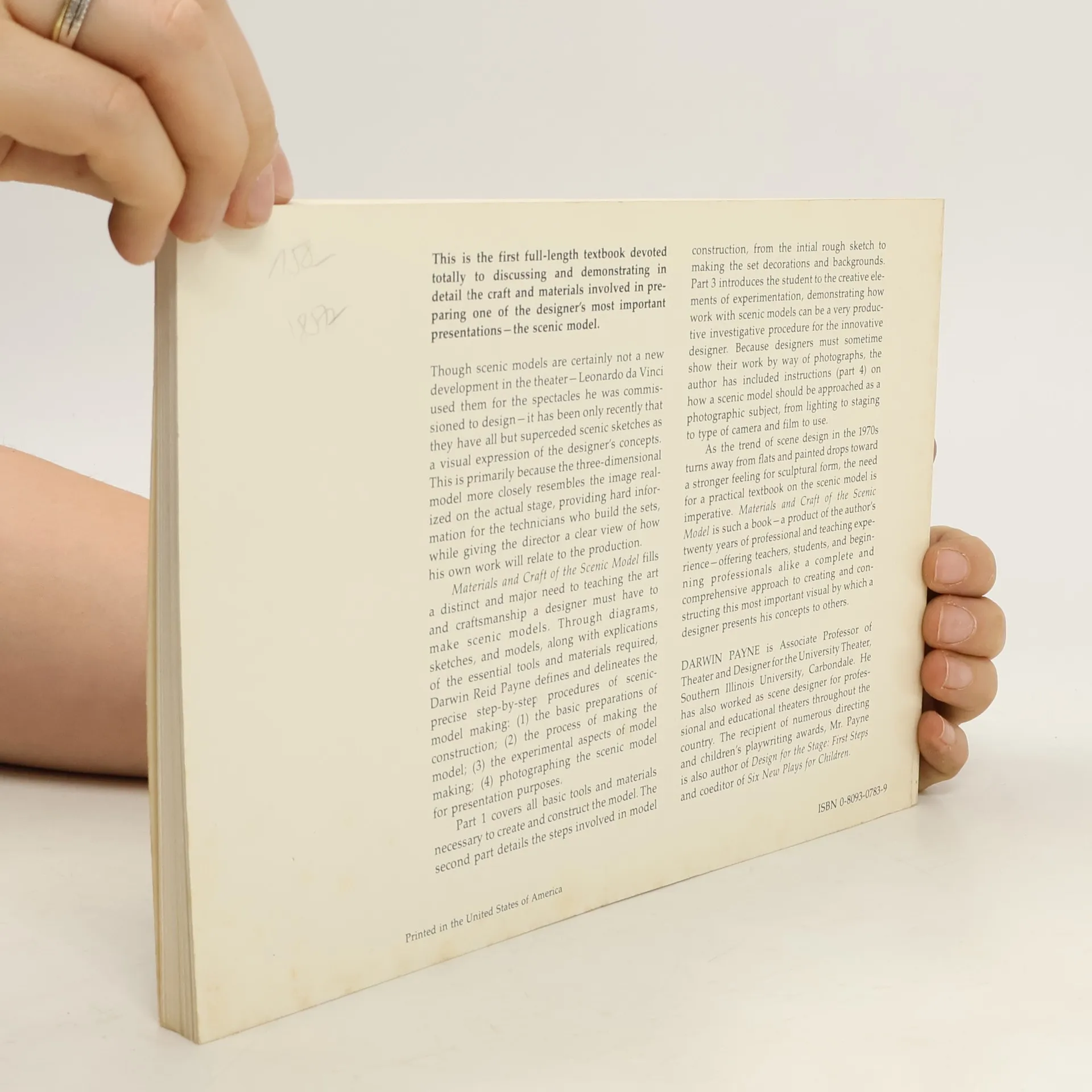
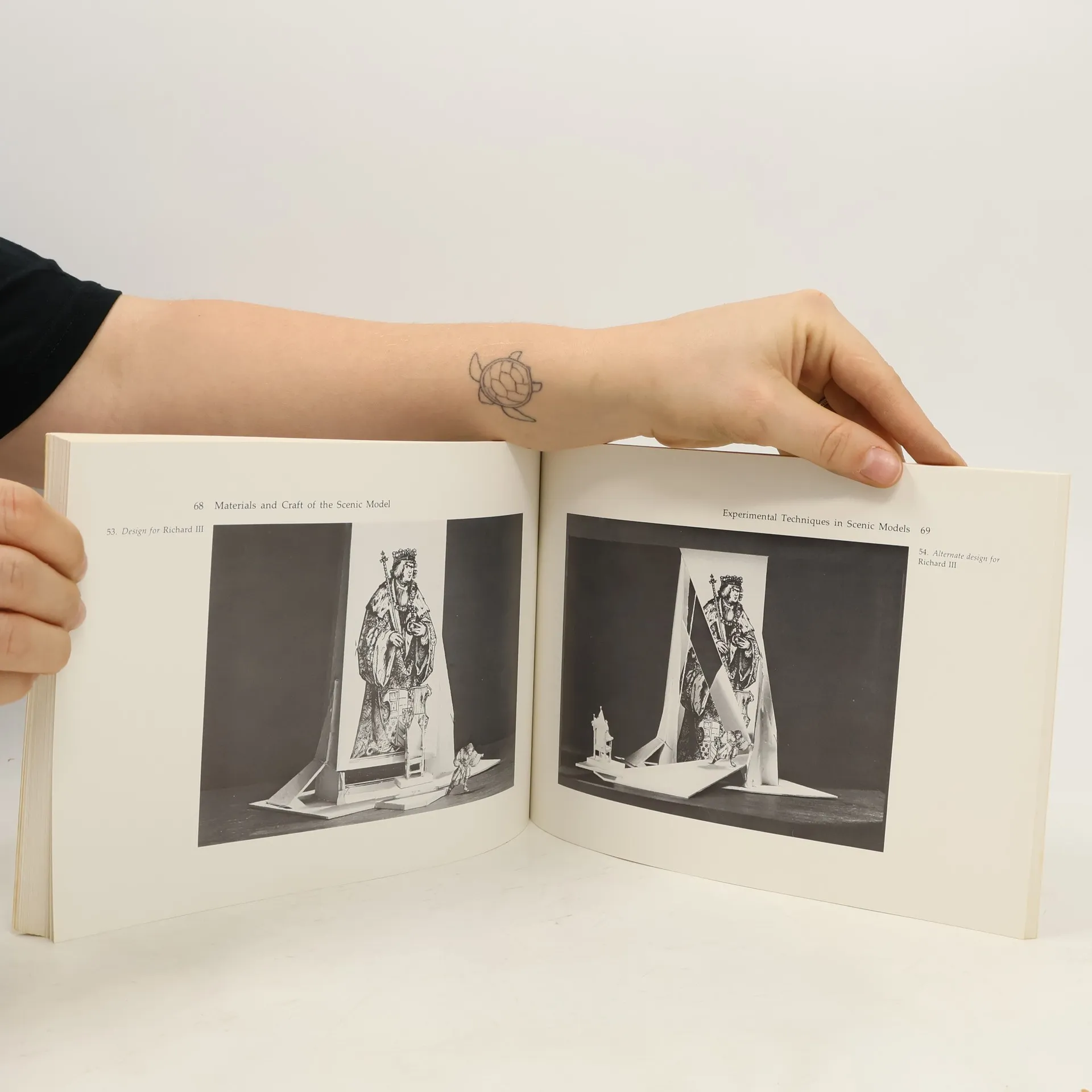
This is the first full-length textbook devoted totally to the craft and materials involved in preparing one of the stage designer's most important presentations --the scenic model. Though scenic models are not a new development in the theatre--Leonardo da Vinci used them for the spectacles he was commissioned to design--it has been only recently that they have all but superseded scenic sketches, primarily because the three-dimensional model more closely resembles the image realized on the actual stage. Materials and Craft of the Scenic Model thus fills a distinct and major need for teaching the art and craftsmanship a designer must have to make scenic models. Through diagrams, sketches, and models, along with explications of the essential tools and materials required, Payne defines and delineates the precise step-by-step procedures of scenic-model making: the basic preparations of construction, the process of making the model, and the experimental aspects of model making. Because designers must sometimes show their work by way of photographs, the author has included instructions on how a scenic model should be photographed.
Compra de libros
Materials and Craft of the Scenic Model, Darwin Reid Payne
- Idioma

- Publicado en
- 1976
- Encuadernación
- (Encuadernación flexible)
Métodos de pago
Nadie lo ha calificado todavía.
- Título
- Materials and Craft of the Scenic Model
- Idioma
- Inglés
- Autores
- Darwin Reid Payne
- Editorial
- Southern Illinois University Press
- Publicado en
- 1976
- Formato
- Encuadernación flexible
- ISBN10
- 0809307839
- ISBN13
- 9780809307838
- Serie
- Etiquetas
- Arquitectura
- Descripción
- This is the first full-length textbook devoted totally to the craft and materials involved in preparing one of the stage designer's most important presentations --the scenic model. Though scenic models are not a new development in the theatre--Leonardo da Vinci used them for the spectacles he was commissioned to design--it has been only recently that they have all but superseded scenic sketches, primarily because the three-dimensional model more closely resembles the image realized on the actual stage. Materials and Craft of the Scenic Model thus fills a distinct and major need for teaching the art and craftsmanship a designer must have to make scenic models. Through diagrams, sketches, and models, along with explications of the essential tools and materials required, Payne defines and delineates the precise step-by-step procedures of scenic-model making: the basic preparations of construction, the process of making the model, and the experimental aspects of model making. Because designers must sometimes show their work by way of photographs, the author has included instructions on how a scenic model should be photographed.