



Parámetros
- 210 páginas
- 8 horas de lectura
Más información sobre el libro
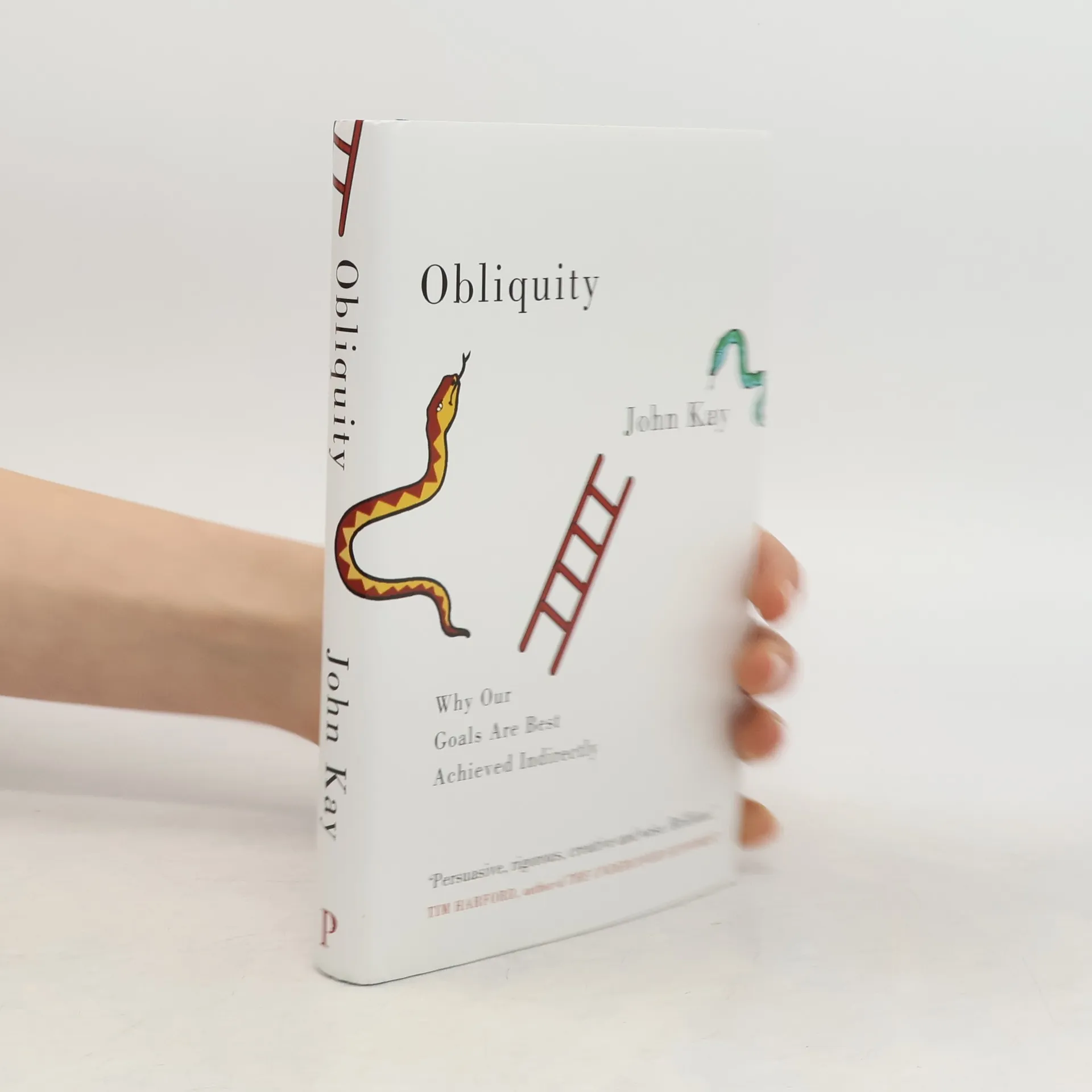
If you want to go in one direction, the best route may involve going in another. This is the concept of 'obliquity': paradoxical as it sounds, many goals are more likely to be achieved when pursued indirectly. Whether overcoming geographical obstacles, winning decisive battles or meeting sales targets, history shows that oblique approaches are the most successful, especially in difficult terrain.Pre-eminent economist John Kay applies his provocative, universal theory to everything from international business to town planning and from football to managing forest fires. He shows why the most profitable companies are not always the most profit-oriented; why the richest men and women are not the most materialistic; and why the happiest people are not necessarily those who focus on happiness.




Compra de libros
Obliquity, John Kay
- Idioma

- Publicado en
- 2010
- product-detail.submit-box.info.binding
- (Tapa dura)
Métodos de pago
Nos falta tu reseña aquí
- Título
- Obliquity
- Subtítulo
- Why our goals are best achieved indirectly
- Idioma
- Inglés
- Autores
- John Kay
- Editorial
- Profile Books
- Publicado en
- 2010
- Formato
- Tapa dura
- Páginas
- 210
- ISBN10
- 1846682886
- ISBN13
- 9781846682889
- Serie
- Etiquetas
- No ficción, Comercio, Negocios & Gestión, Autoayuda, Temas psicológicos, Desarrollo personal, Gestión & Recursos humanos, Productividad
- Título original
- Obliquity
- Calificación
- 3,6 de 5
- Descripción
- If you want to go in one direction, the best route may involve going in another. This is the concept of 'obliquity': paradoxical as it sounds, many goals are more likely to be achieved when pursued indirectly. Whether overcoming geographical obstacles, winning decisive battles or meeting sales targets, history shows that oblique approaches are the most successful, especially in difficult terrain.Pre-eminent economist John Kay applies his provocative, universal theory to everything from international business to town planning and from football to managing forest fires. He shows why the most profitable companies are not always the most profit-oriented; why the richest men and women are not the most materialistic; and why the happiest people are not necessarily those who focus on happiness.