

Series
Más información sobre el libro
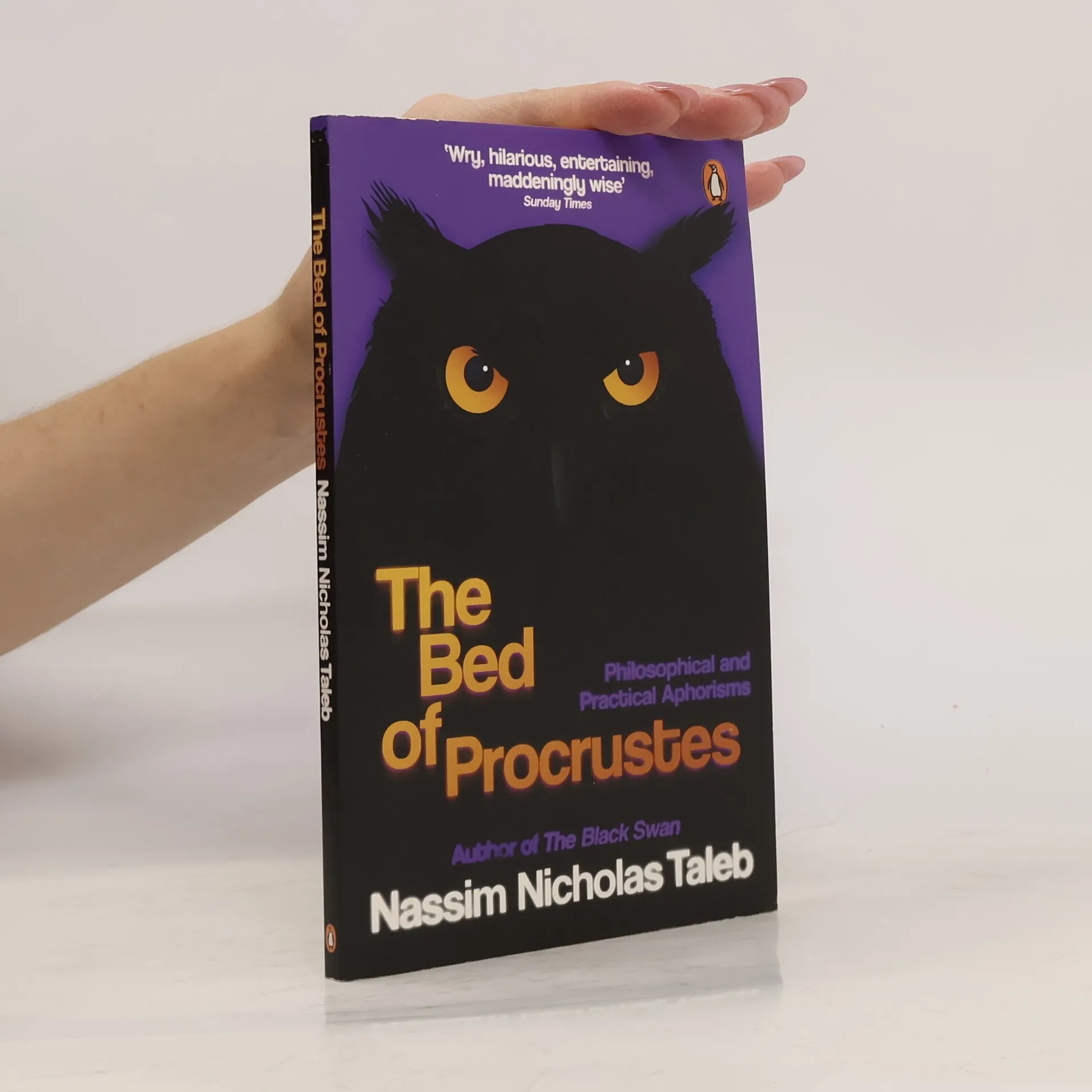
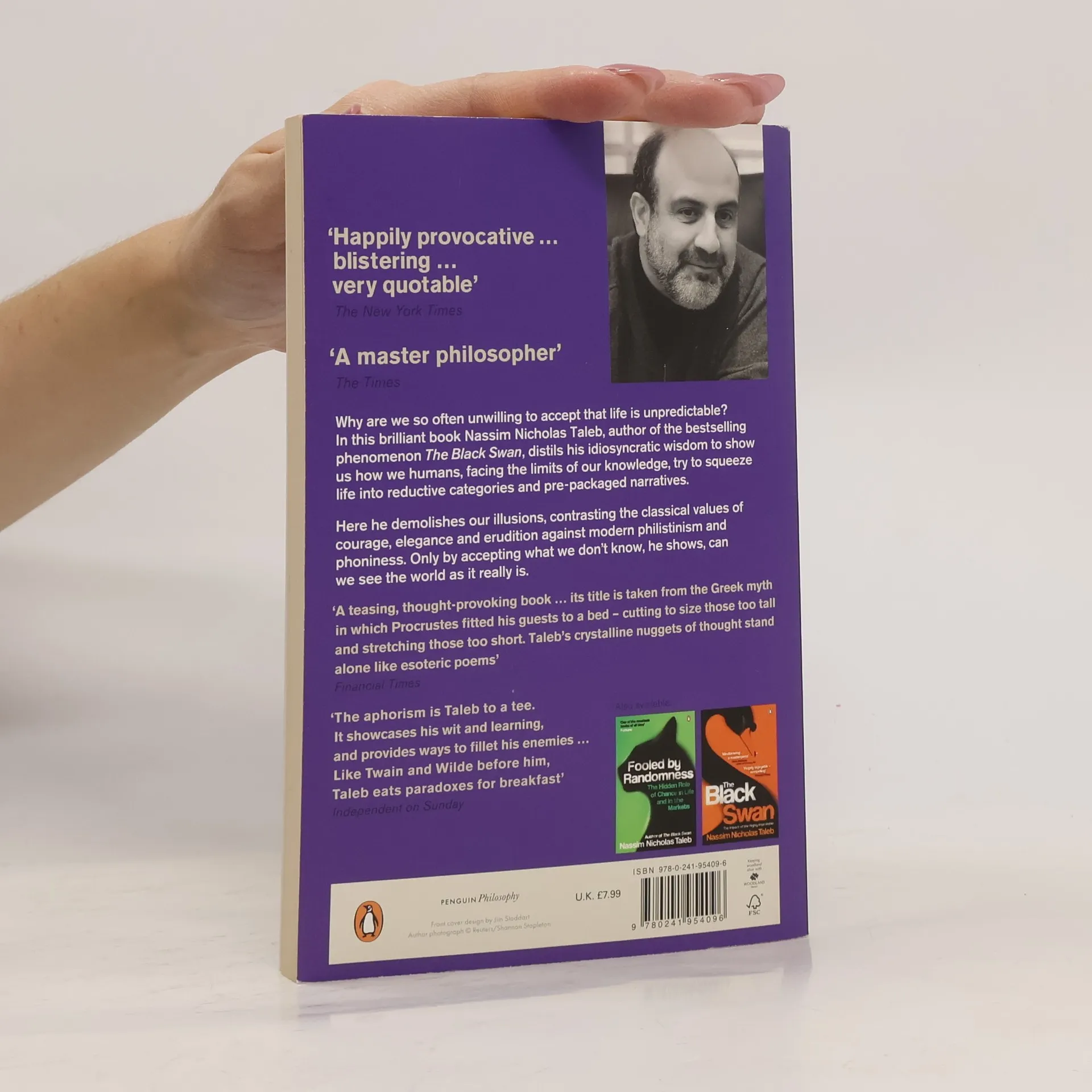
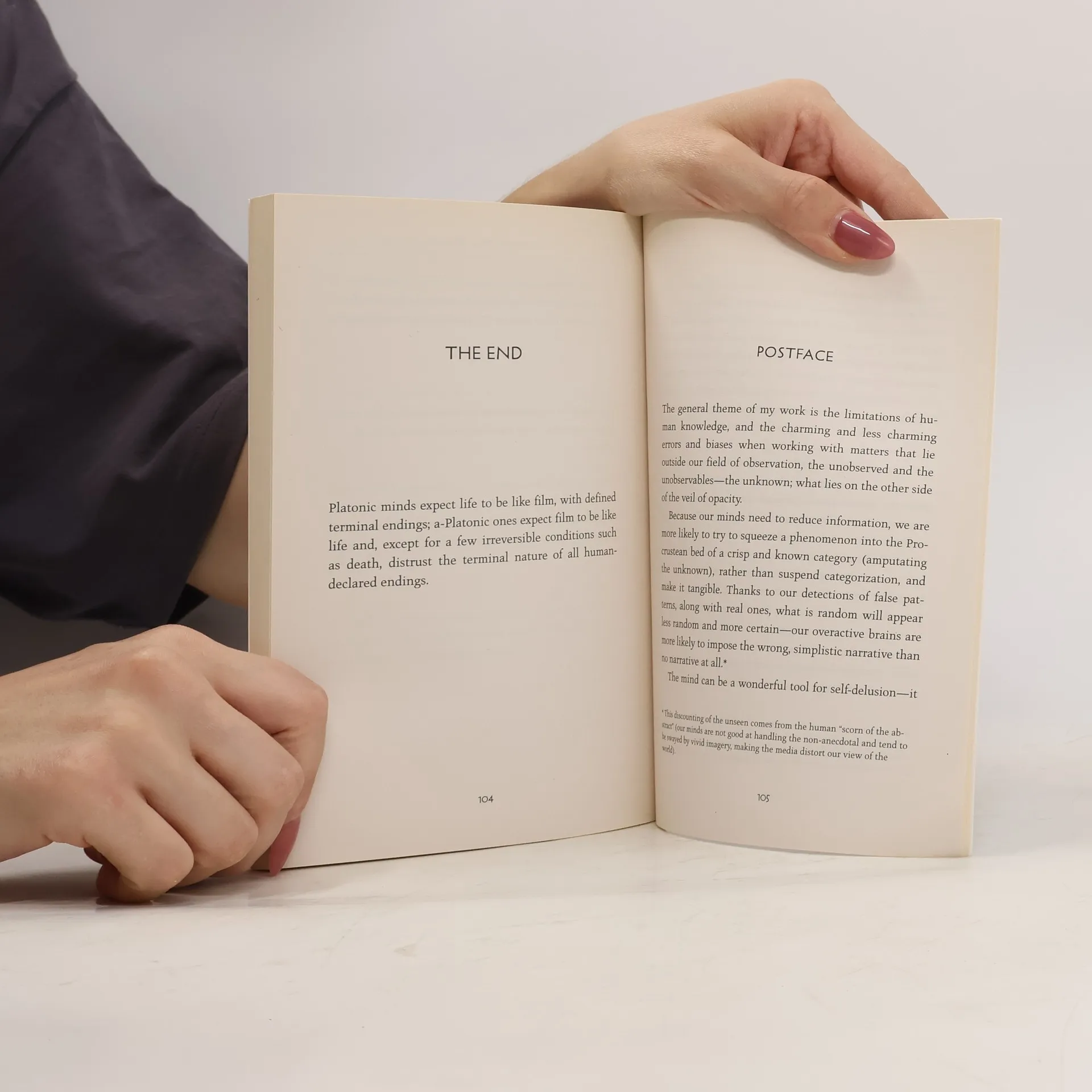
In this profound and playful book, Nassim Nicholas Taleb presents his ideas about life in the form of aphorisms, the world’s earliest - and most memorable - literary form. Procrustes was a character from Greek mythology who abducted travellers and invited them to spend the night in a special bed, which they had to fit to perfection. They never did. Those who were too tall had their legs chopped off; those who were too short were stretched. Every aphorism here is about a Procrustean bed of sorts – we humans, facing the limits of our knowledge, the unseen and the unknown, resolve the tension by squeezing life and the world into crisp commoditized ideas, reductive categories, specific vocabularies and pre-packaged narratives. Only by embracing the unexpected – and accepting what we don’t know – can we see the world as it really is.




Compra de libros
The Bed of Procrustes, Nassim Nicholas Taleb
- Idioma

- Publicado en
- 2011
- Encuadernación
- (Tapa blanda)
Métodos de pago
Nos falta tu reseña aquí
- Título
- The Bed of Procrustes
- Idioma
- Inglés
- Autores
- Nassim Nicholas Taleb
- Editorial
- Penguin Books
- Publicado en
- 2011
- Formato
- Tapa blanda
- Páginas
- 128
- ISBN10
- 0241954096
- ISBN13
- 9780241954096
- Serie
- Incerto
- Etiquetas
- No ficción, Ciencias sociales, Historias reales, Comercio, Negocios & Gestión, Temas psicológicos, Temática filosófica, Psicología, Filosofía, Ciencia, Economía, Periodismo & Ensayos, Finanzas, Aforismos
- Primera publicación
- 2010
- Título original
- The Bed of Procrustes: Philosophical and Practical Aphorisms
- Calificación
- 3,75 de 5
- Descripción
- In this profound and playful book, Nassim Nicholas Taleb presents his ideas about life in the form of aphorisms, the world’s earliest - and most memorable - literary form. Procrustes was a character from Greek mythology who abducted travellers and invited them to spend the night in a special bed, which they had to fit to perfection. They never did. Those who were too tall had their legs chopped off; those who were too short were stretched. Every aphorism here is about a Procrustean bed of sorts – we humans, facing the limits of our knowledge, the unseen and the unknown, resolve the tension by squeezing life and the world into crisp commoditized ideas, reductive categories, specific vocabularies and pre-packaged narratives. Only by embracing the unexpected – and accepting what we don’t know – can we see the world as it really is.