

Parámetros
Más información sobre el libro
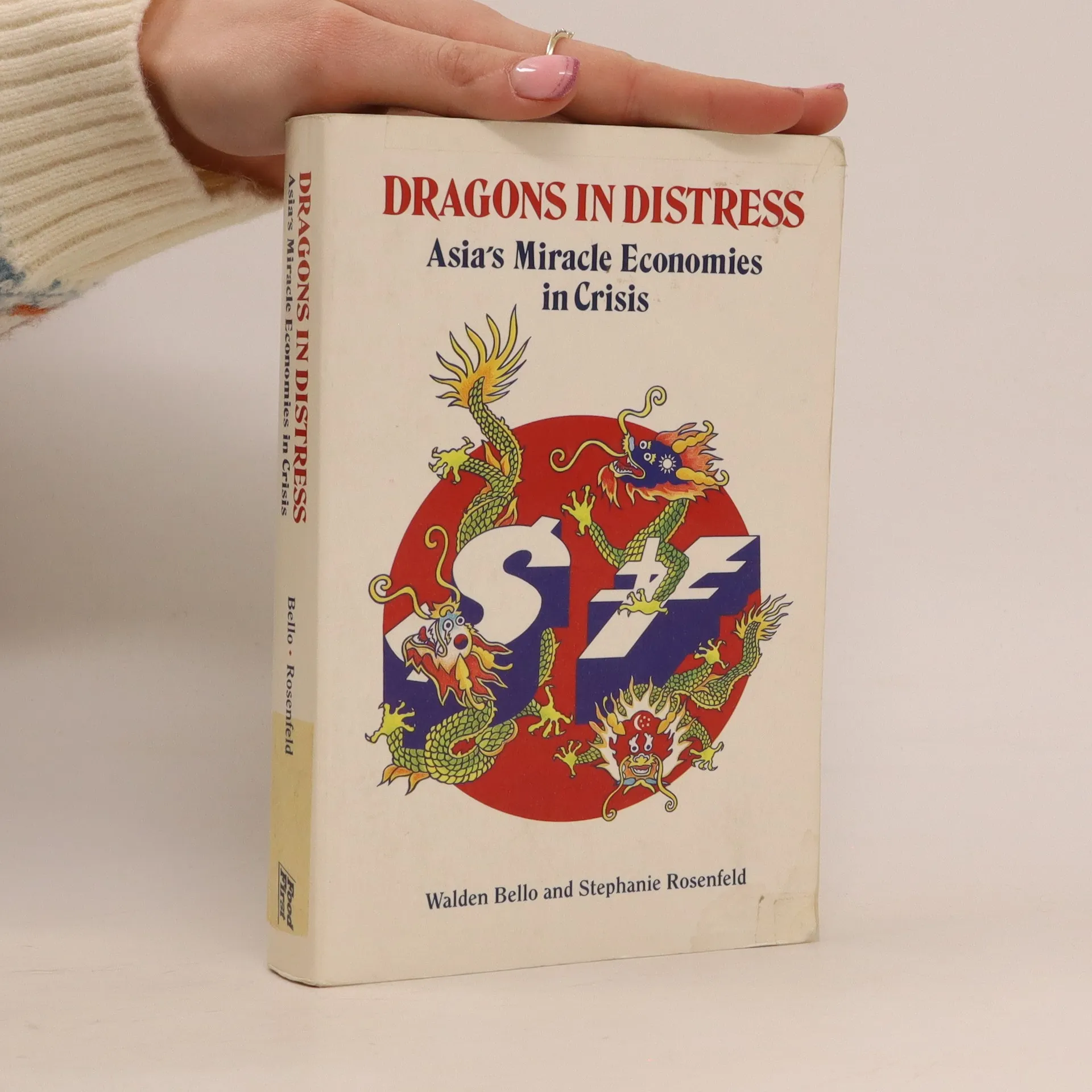
Challenging the prevailing wisdom on Asia’s “miracle economies,” Dragons in Distress argues that South Korea, Taiwan, and Singapore are headed for crisis. Writing for a diverse audience, Walden Bello and Stephanie Rosenfeld lead their readers on an exploration of the different dimensions of this environmental degradation, agriculture on the road to extinction, deteriorating labor-management relations, eroding political legitimacy, and deepening structural fissures in the industrial economy.Showing how these problems stem from the dynamics of the model of high speed, export-oriented industrialization, they suggest strategies to surmount the unfolding crisis and open up the path to equitable and ecologically sustainable development. The first comprehensive critique of the “Newly Industrialized Countries” (NICs) paradigm, this book is a very welcome antidote to the usual uncritical celebration of the “dragon” or “tiger” economies.
Compra de libros
Dragons in distress : Asia's miracle economies in crisis, Walden Bello, Stephanie Rosenfeld, Calif. Institute for Food and Development Policy Oakland
- Idioma

- Publicado en
- 1990
- Encuadernación
- (Tapa blanda)
Métodos de pago
Nos falta tu reseña aquí
- Título
- Dragons in distress : Asia's miracle economies in crisis
- Idioma
- Inglés
- Publicado en
- 1990
- Formato
- Tapa blanda
- ISBN10
- 0935028552
- ISBN13
- 9780935028553
- Serie
- Categorías
- Etiquetas
- Comercio
- Calificación
- 4,35 de 5
- Descripción
- Challenging the prevailing wisdom on Asia’s “miracle economies,” Dragons in Distress argues that South Korea, Taiwan, and Singapore are headed for crisis. Writing for a diverse audience, Walden Bello and Stephanie Rosenfeld lead their readers on an exploration of the different dimensions of this environmental degradation, agriculture on the road to extinction, deteriorating labor-management relations, eroding political legitimacy, and deepening structural fissures in the industrial economy.Showing how these problems stem from the dynamics of the model of high speed, export-oriented industrialization, they suggest strategies to surmount the unfolding crisis and open up the path to equitable and ecologically sustainable development. The first comprehensive critique of the “Newly Industrialized Countries” (NICs) paradigm, this book is a very welcome antidote to the usual uncritical celebration of the “dragon” or “tiger” economies.