

Más información sobre el libro
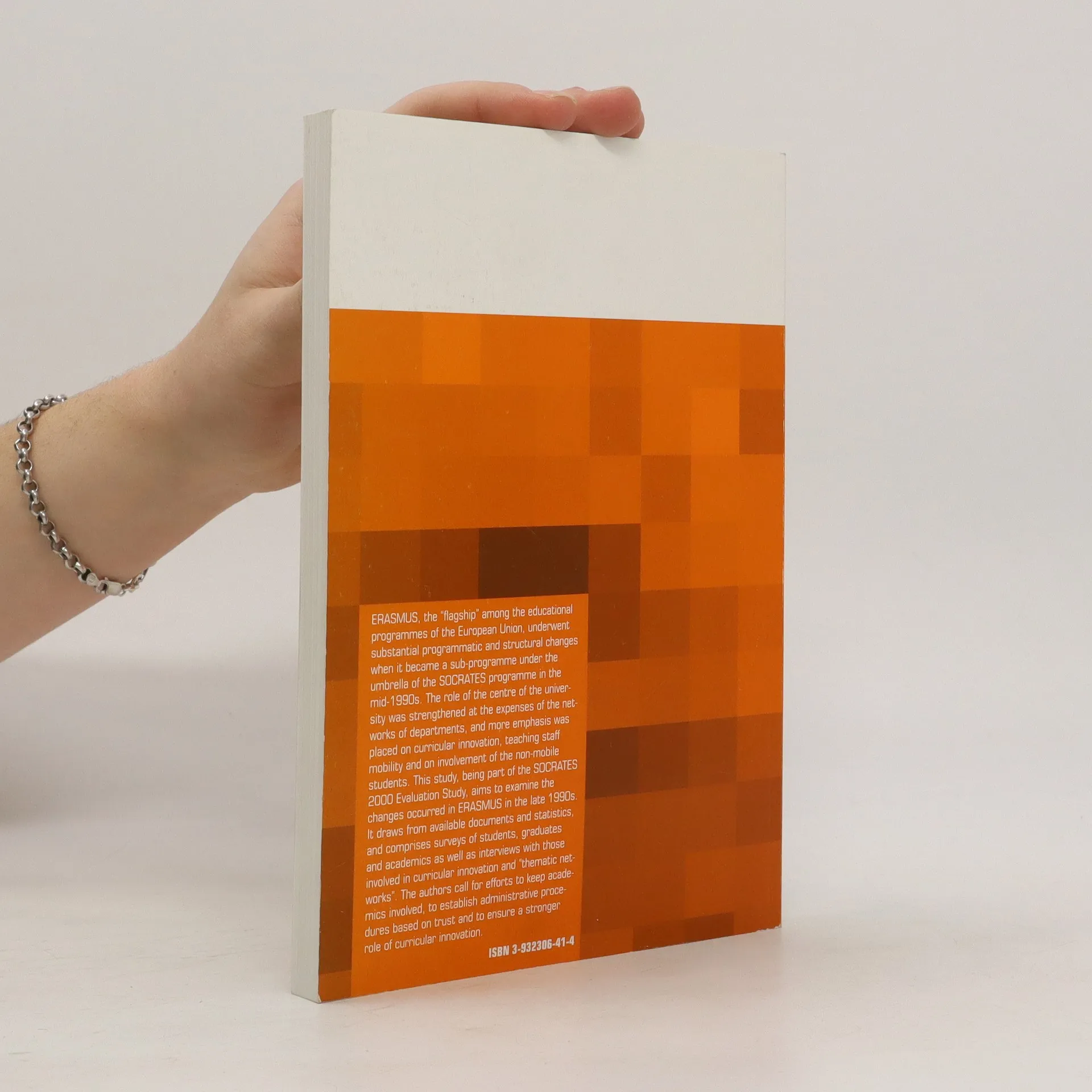
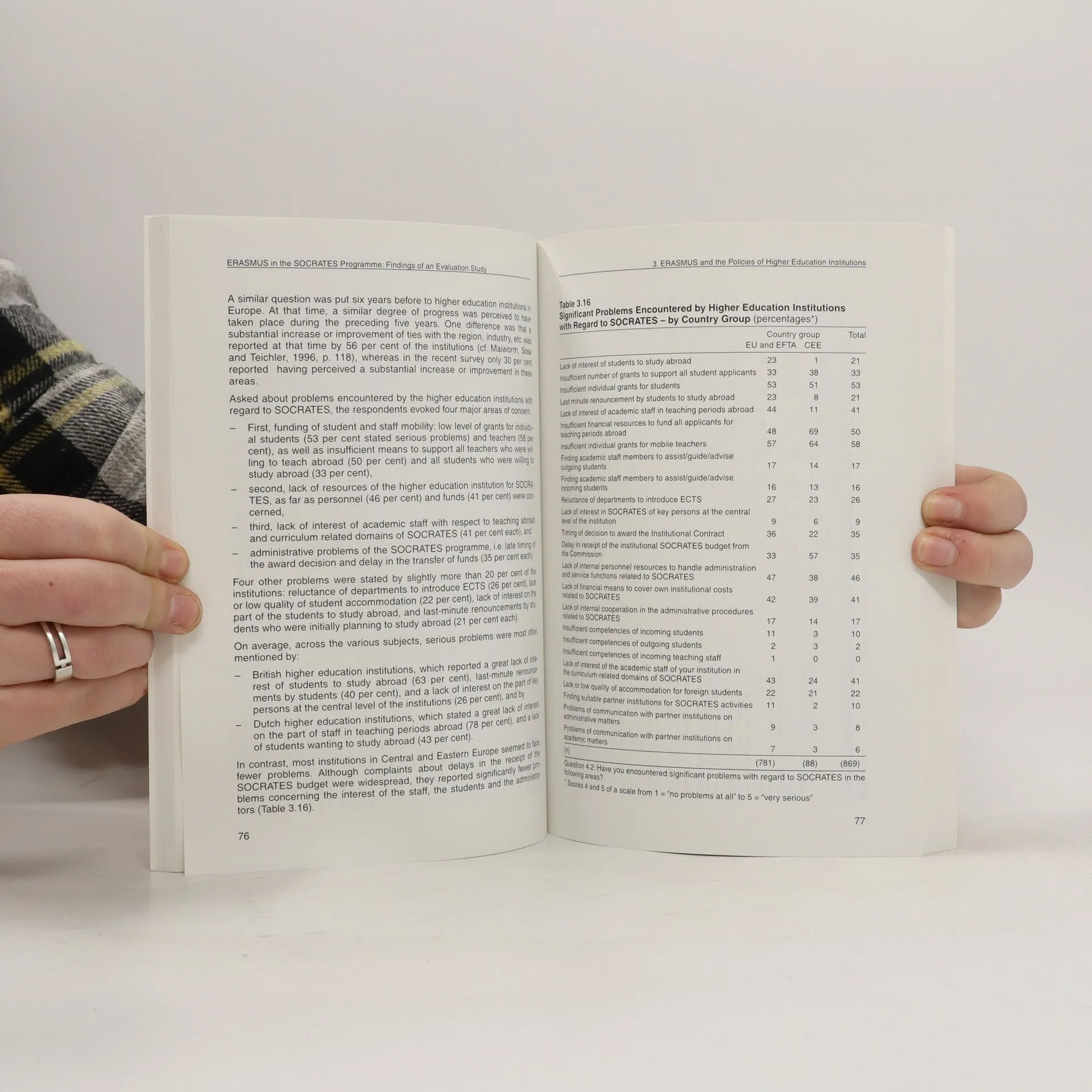
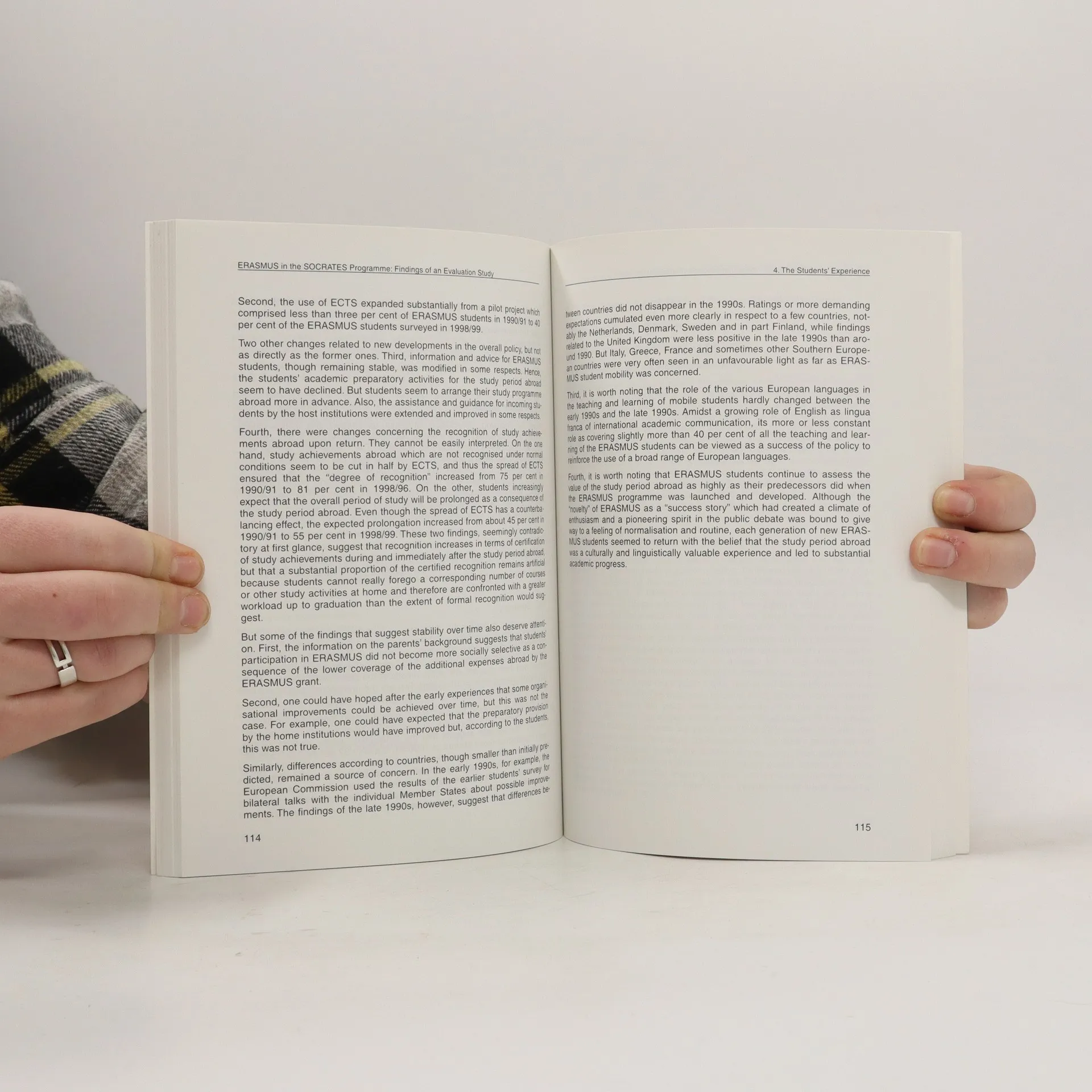
ERASMUS, the “flagship” among the educational programmes of the European Union, underwent substantial programmatic and structural changes when it became a sub-programme under the umbrella of the SOCRATES programme in the mid-1990s. The role of the centre of the university was strengthened at the expenses of the networks of departments, and more emphasis was placed on curricular innovation, teaching staff mobility and on involvement of the non-mobile students. This study, being part of the SOCRATES 2000 Evaluation Study, aims to examine the changes occurred in ERASMUS in the late 1990s. It draws from available documents and statistics, and comprises surveys of students, graduates and academics as well as interviews with those involved in curricular innovation and “thematic networks”. The authors call for efforts to keep academics involved, to establish administrative procedures based on trust and to ensure a stronger role of curricular innovation.
Compra de libros
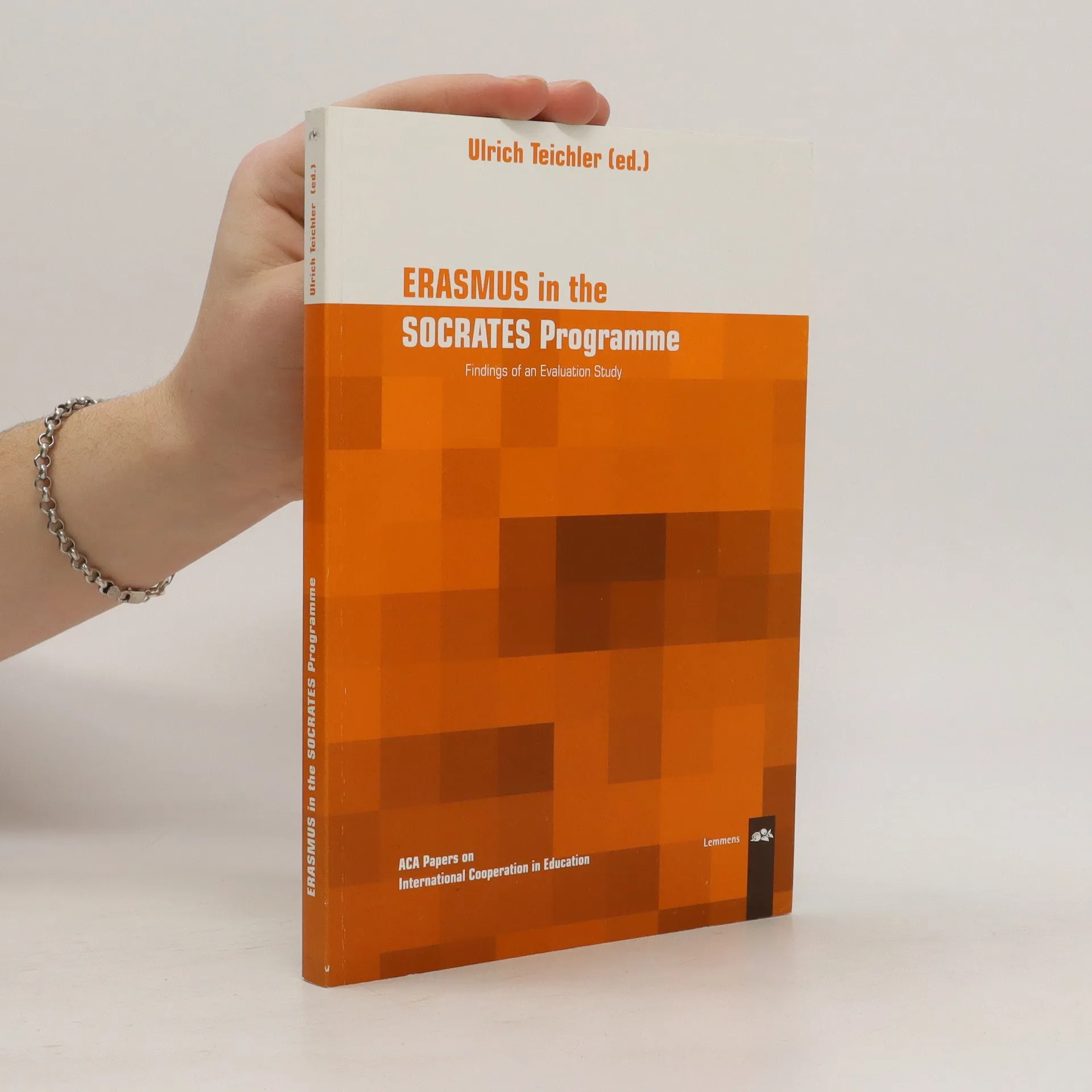
ERASMUS in the SOCRATES programme, Ulrich Teichler
- Idioma

- Publicado en
- 2002
- Encuadernación
- (Tapa blanda)
Métodos de pago
Nadie lo ha calificado todavía.
- Título
- ERASMUS in the SOCRATES programme
- Idioma
- Inglés
- Autores
- Ulrich Teichler
- Editorial
- Lemmens
- Publicado en
- 2002
- Formato
- Tapa blanda
- Páginas
- 239
- ISBN10
- 3932306414
- ISBN13
- 9783932306419
- Serie
- Categorías
- Etiquetas
- Descripción
- ERASMUS, the “flagship” among the educational programmes of the European Union, underwent substantial programmatic and structural changes when it became a sub-programme under the umbrella of the SOCRATES programme in the mid-1990s. The role of the centre of the university was strengthened at the expenses of the networks of departments, and more emphasis was placed on curricular innovation, teaching staff mobility and on involvement of the non-mobile students. This study, being part of the SOCRATES 2000 Evaluation Study, aims to examine the changes occurred in ERASMUS in the late 1990s. It draws from available documents and statistics, and comprises surveys of students, graduates and academics as well as interviews with those involved in curricular innovation and “thematic networks”. The authors call for efforts to keep academics involved, to establish administrative procedures based on trust and to ensure a stronger role of curricular innovation.