


Parámetros
- 336 páginas
- 12 horas de lectura
Más información sobre el libro
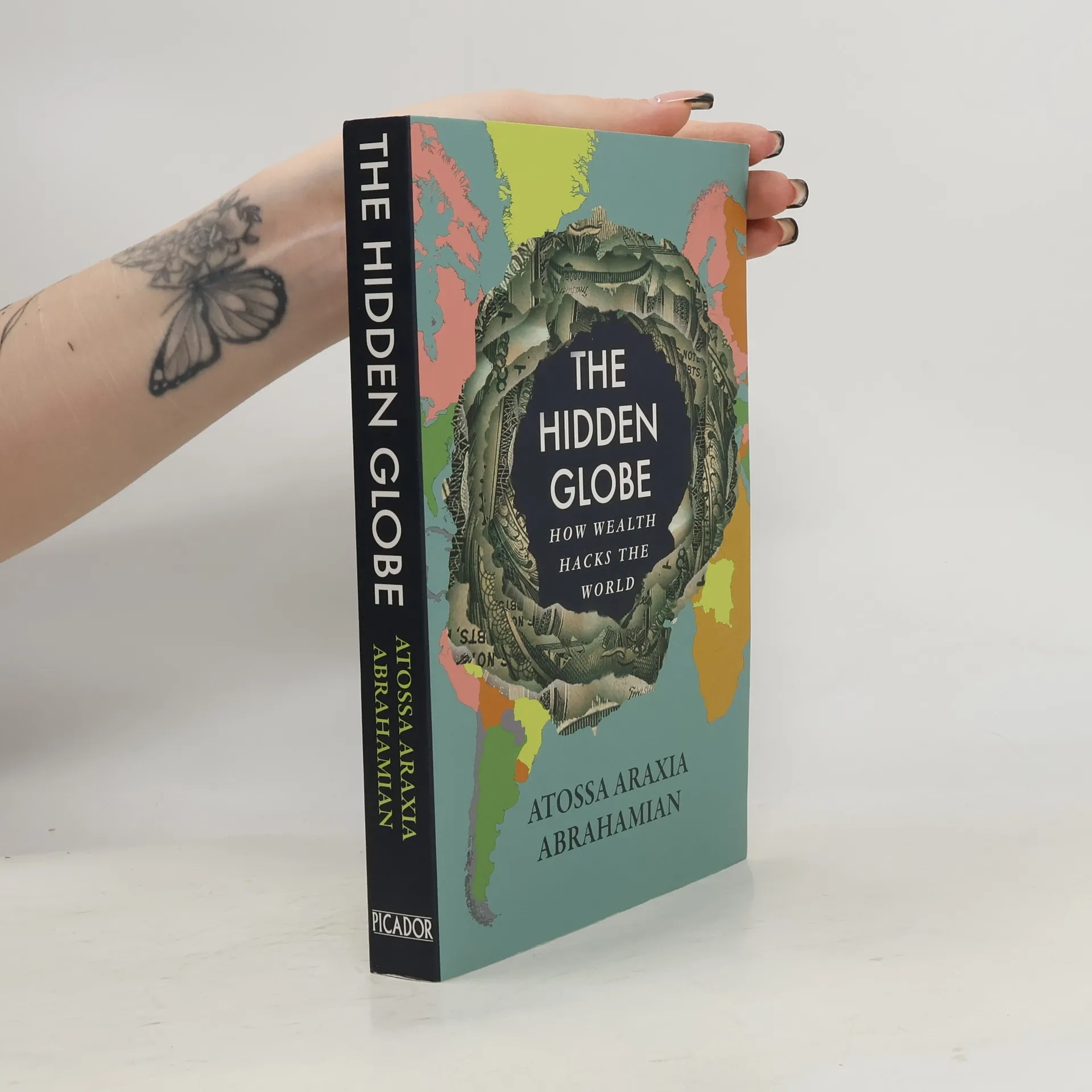
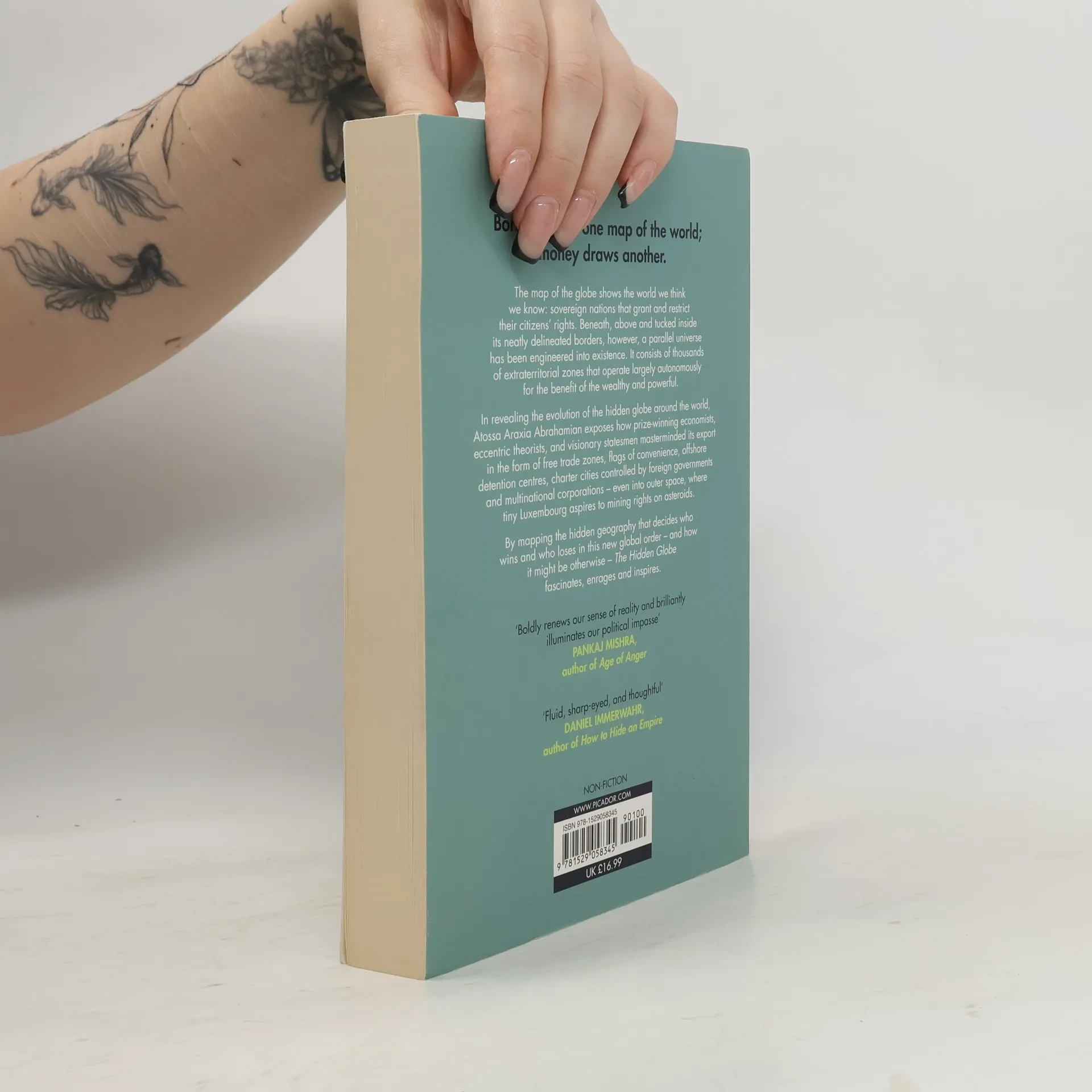
This book offers a fresh perspective on the world, revealing a hidden universe shaped by wealth and power. While traditional maps depict sovereign nations that govern citizens' rights, a parallel realm exists, comprised of extraterritorial zones operating autonomously for the elite. Atossa Abrahamian traces this hidden geography back to thirteenth-century Switzerland, where impoverished cantons capitalized on their most valuable resource—mercenary fighters. She explores the evolution of this system through free trade zones, flags of convenience, offshore detention centers for immigrants, and charter cities governed by foreign entities and multinational corporations. The narrative extends even to outer space, highlighting Luxembourg's ambitions for asteroid mining rights. By uncovering the intricate map of this concealed world, the book examines who benefits and who suffers in the current global order, while also contemplating potential alternatives. Abrahamian's work captivates, provokes, and motivates readers to reconsider their understanding of reality and the political challenges we face today.


Compra de libros
Hidden Globe, Atossa Araxia Abrahamian
- Idioma

- Publicado en
- 2024
- product-detail.submit-box.info.binding
- (Tapa blanda),
- Estado del libro
- Bueno
- Precio
- 7,99 €
Métodos de pago
Nos falta tu reseña aquí
- Título
- Hidden Globe
- Idioma
- Inglés
- Autores
- Atossa Araxia Abrahamian
- Editorial
- Pan Macmillan
- Publicado en
- 2024
- Formato
- Tapa blanda
- Páginas
- 336
- ISBN10
- 1529058341
- ISBN13
- 9781529058345
- Serie
- Calificación
- 3 de 5
- Descripción
- This book offers a fresh perspective on the world, revealing a hidden universe shaped by wealth and power. While traditional maps depict sovereign nations that govern citizens' rights, a parallel realm exists, comprised of extraterritorial zones operating autonomously for the elite. Atossa Abrahamian traces this hidden geography back to thirteenth-century Switzerland, where impoverished cantons capitalized on their most valuable resource—mercenary fighters. She explores the evolution of this system through free trade zones, flags of convenience, offshore detention centers for immigrants, and charter cities governed by foreign entities and multinational corporations. The narrative extends even to outer space, highlighting Luxembourg's ambitions for asteroid mining rights. By uncovering the intricate map of this concealed world, the book examines who benefits and who suffers in the current global order, while also contemplating potential alternatives. Abrahamian's work captivates, provokes, and motivates readers to reconsider their understanding of reality and the political challenges we face today.