

Más información sobre el libro
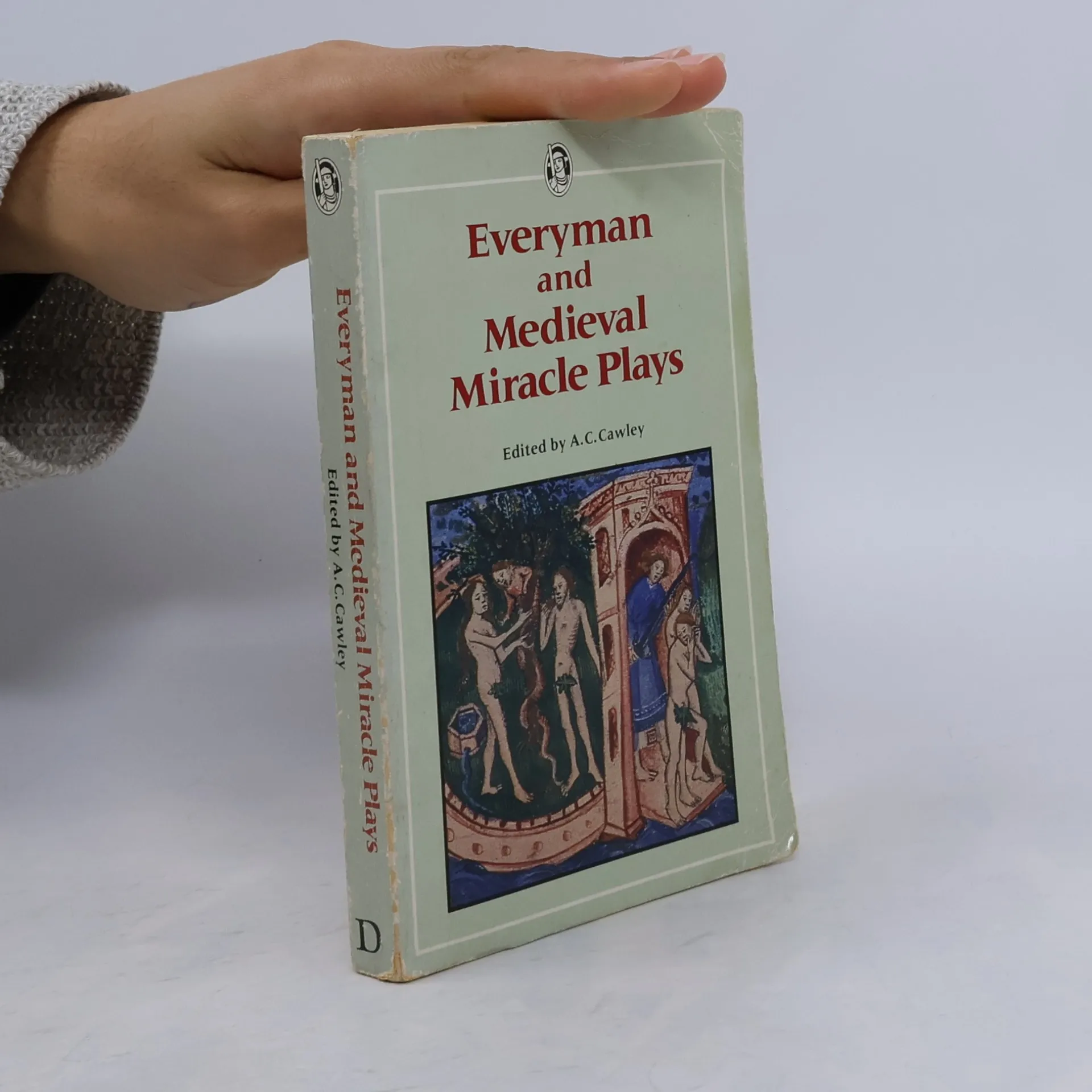
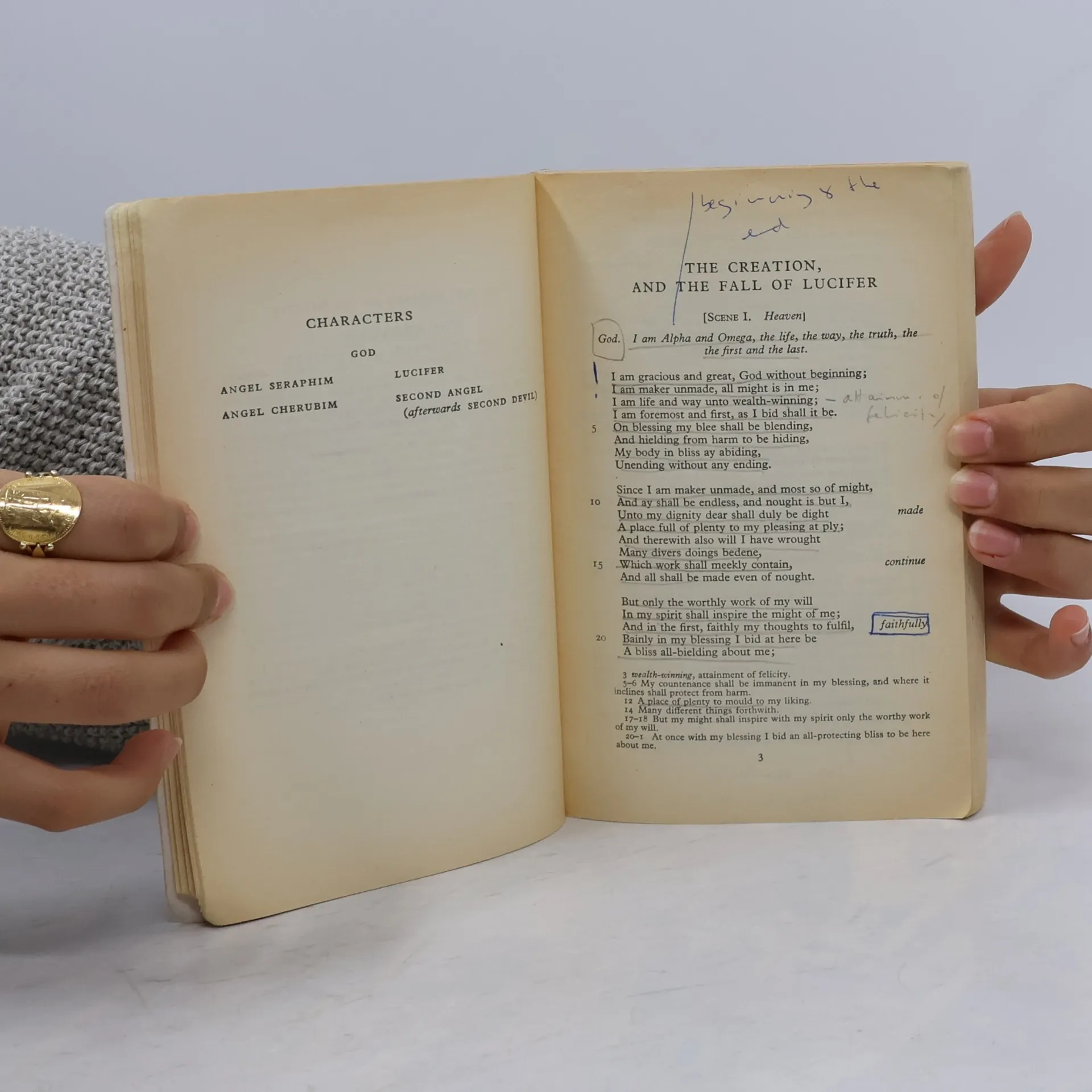
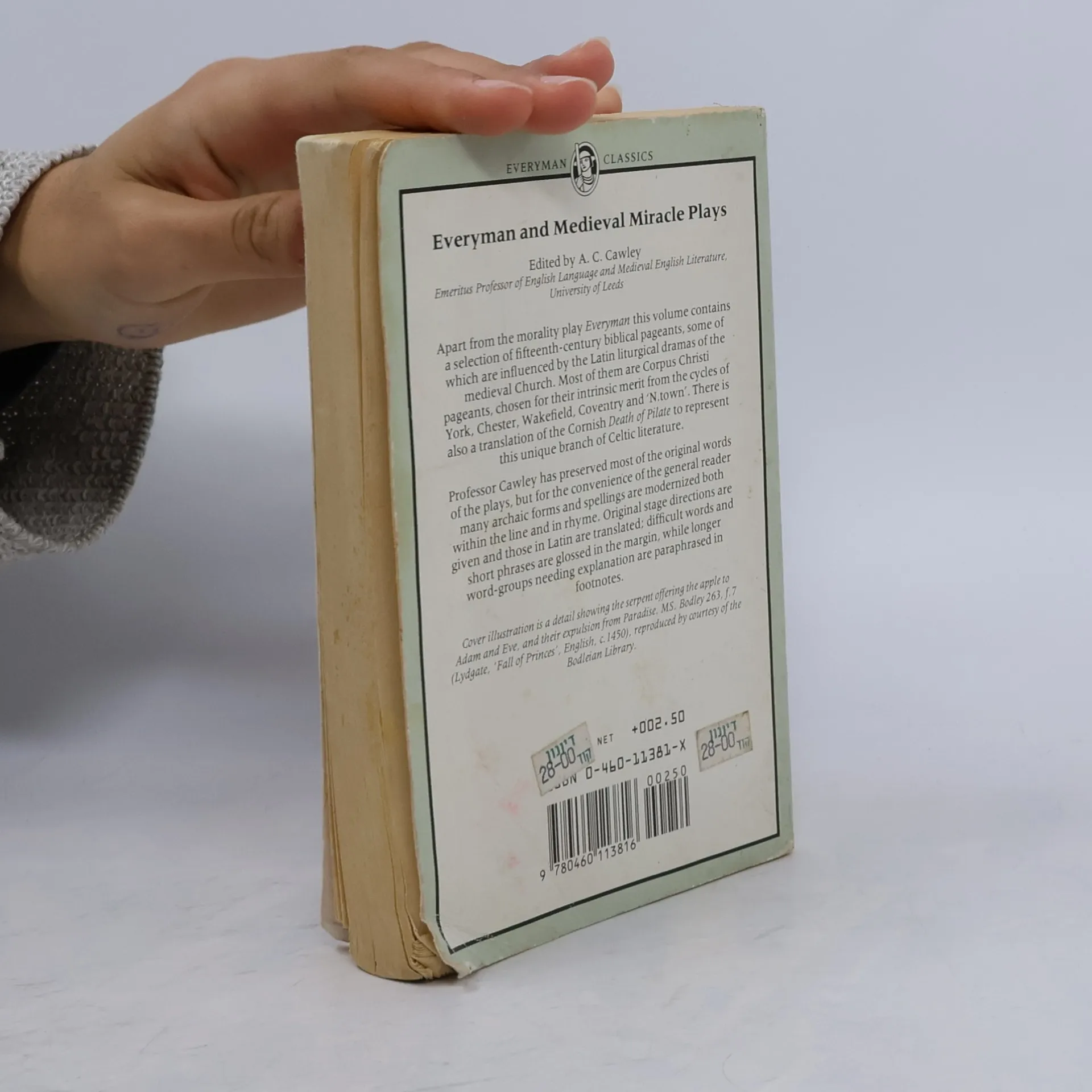
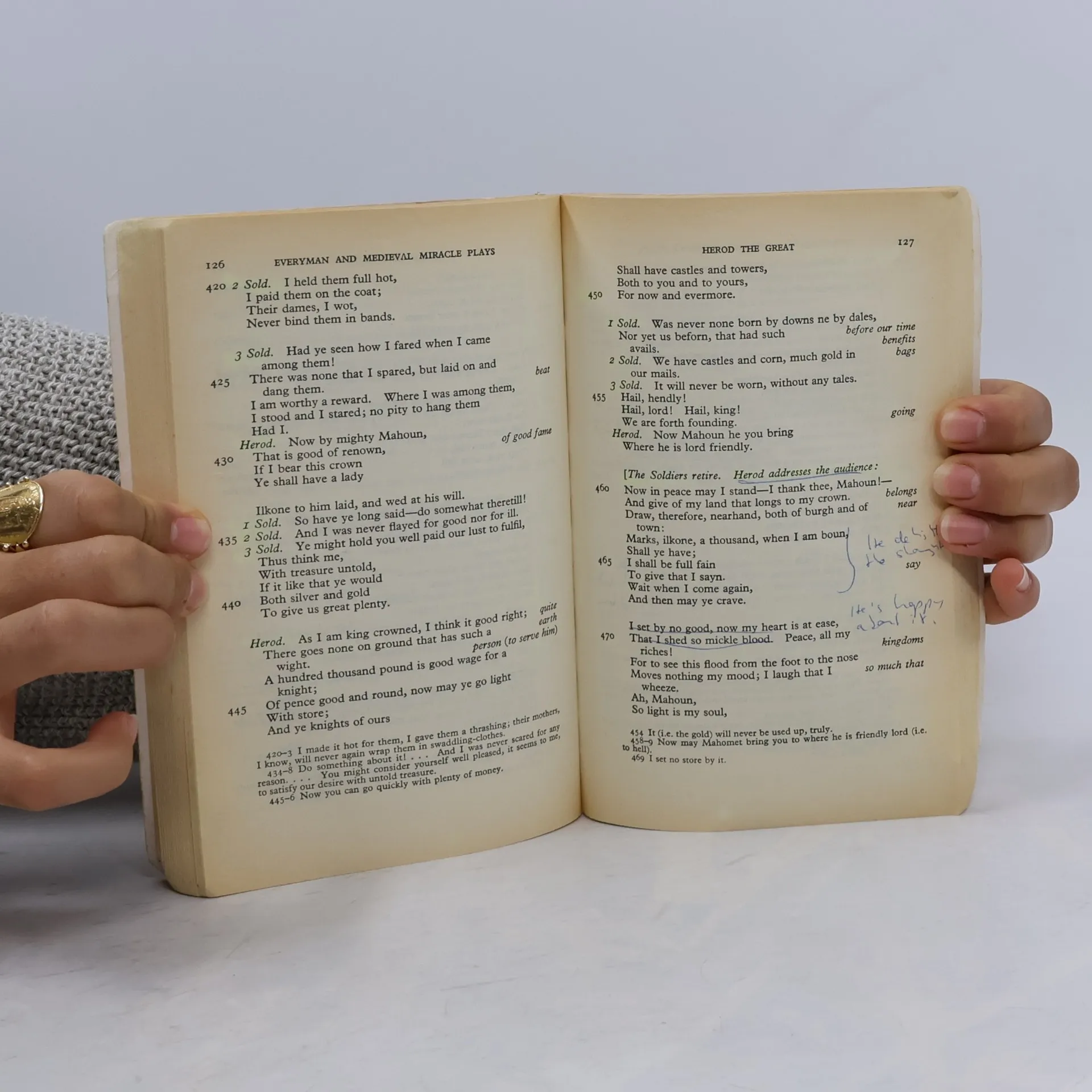
Apart from the morality play Everyman this volume contains a selection of fifteenth-century biblical pageants, some of which are influenced by the Latin liturgical dramas of the medieval Church. Most of them are Corpus Christi pageants, chosen for their intrinsic merit from the cycles of York, Chester, Wakefield, Coventry and 'N.town'. There is also a translation of the Cornish Death of Pilate to represent this unique branch of Celtic literature. Professor Cawley has preserved the original words of the plays, but for the convenience of the general reader many archaic forms and spellings are modernized both within the line and in rhyme. Original stage directions are given and those in Latin are translated; difficult words and short phrases are glossed in the margin, while longer word-groups needing explanation are paraphrased in footnotes.


Compra de libros
Everyman and Medieval Miracle Plays, A. C. Cawley
- Idioma

- Publicado en
- 1986
- Encuadernación
- (Tapa blanda),
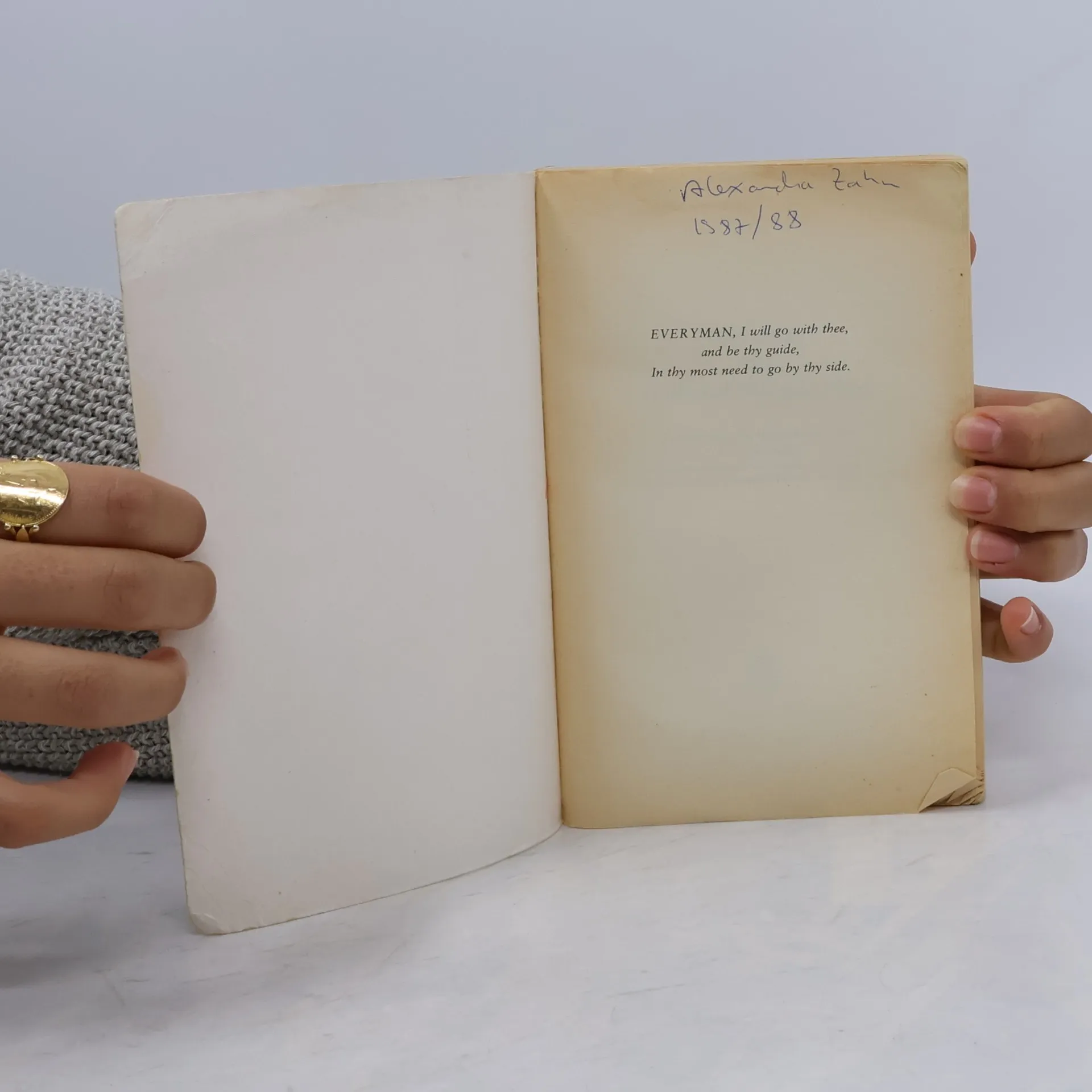
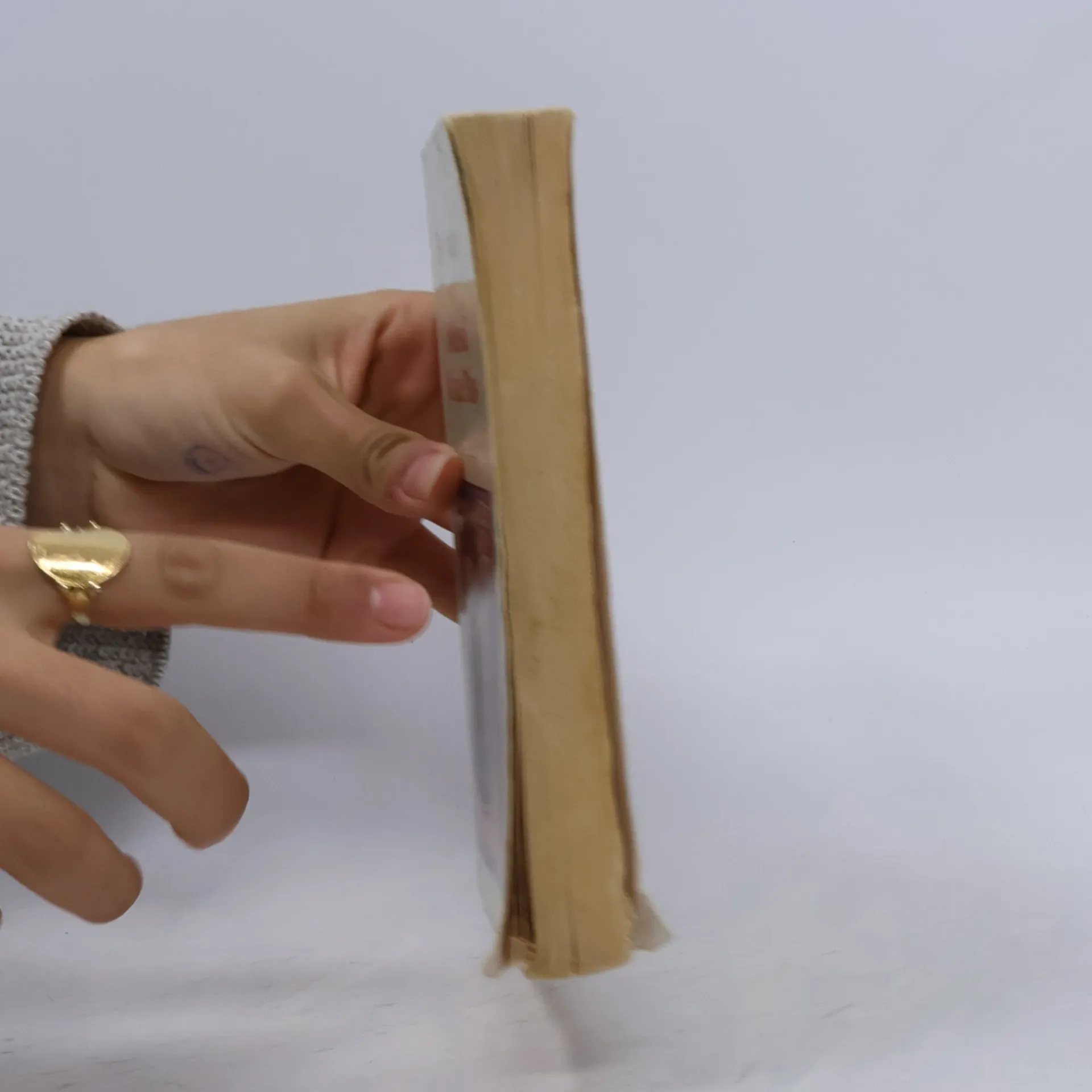
- Estado del libro
- Dañado
- Precio
- 2,30 €
Métodos de pago
Nos falta tu reseña aquí
- Título
- Everyman and Medieval Miracle Plays
- Idioma
- Inglés
- Autores
- A. C. Cawley
- Editorial
- Everyman's Library
- Publicado en
- 1986
- Formato
- Tapa blanda
- Páginas
- 266
- ISBN10
- 046011381X
- ISBN13
- 9780460113816
- Serie
- Etiquetas
- Tema histórico, Medieval, Obras de teatro, Universidad
- Calificación
- 3,4 de 5
- Descripción
- Apart from the morality play Everyman this volume contains a selection of fifteenth-century biblical pageants, some of which are influenced by the Latin liturgical dramas of the medieval Church. Most of them are Corpus Christi pageants, chosen for their intrinsic merit from the cycles of York, Chester, Wakefield, Coventry and 'N.town'. There is also a translation of the Cornish Death of Pilate to represent this unique branch of Celtic literature. Professor Cawley has preserved the original words of the plays, but for the convenience of the general reader many archaic forms and spellings are modernized both within the line and in rhyme. Original stage directions are given and those in Latin are translated; difficult words and short phrases are glossed in the margin, while longer word-groups needing explanation are paraphrased in footnotes.