

Series
Más información sobre el libro
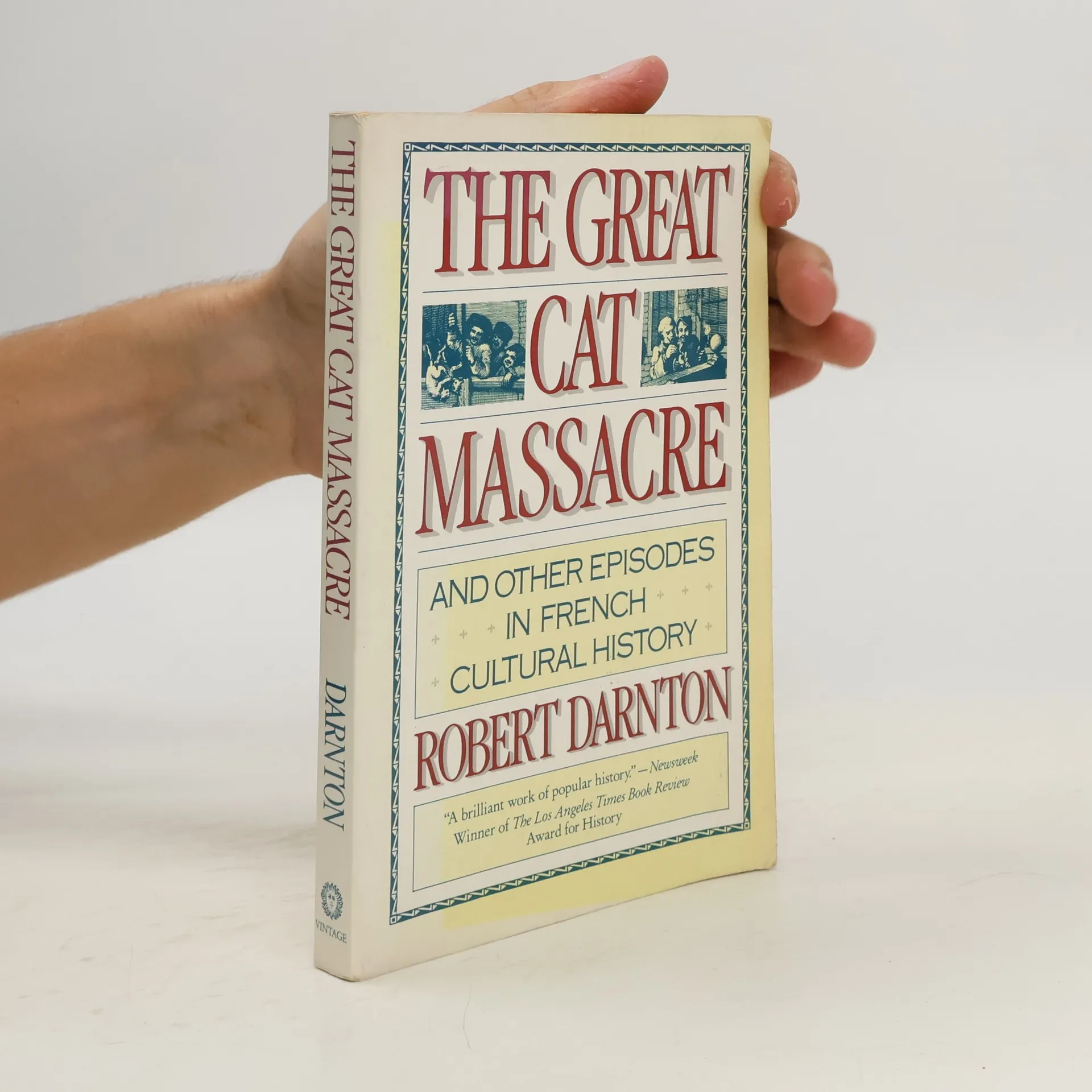
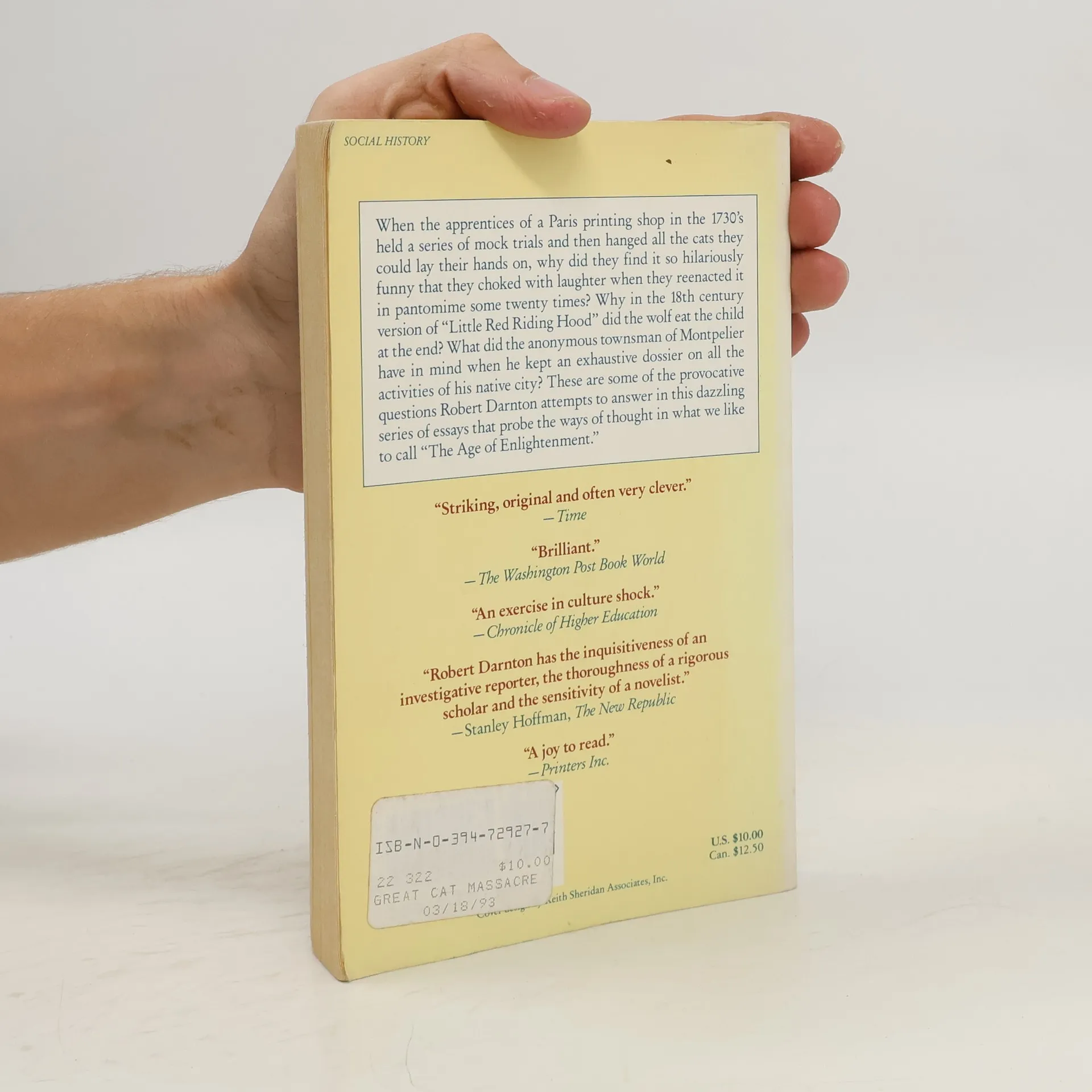
When the apprentices of a Paris printing shop in the 1730's held a series of mock trials and then hanged all the cats they could lay their hands on, why did they find it so hilariously funny that they choked with laughter when they reenacted it in pantomime some twenty times? Why in the 18th century version of "Little Red Riding Hood" did the wolf eat the child at the end? What did the anonymous townsman of Montpelier have in mind when he kept an exhaustive dossier on all the activities of his native city? These are some of the provocative questions Robert Darnton attempts to answer in this dazzling series of essays that probe the ways of thought in what we like to call "The Age of Enlightenment."





Compra de libros
The great cat massacre and other episodes in French cultural history, Robert Darnton
- Idioma

- Publicado en
- 1984
- product-detail.submit-box.info.binding
- (Tapa blanda)
Métodos de pago
Nos falta tu reseña aquí
- Idioma
- Inglés
- Autores
- Robert Darnton
- Editorial
- Vintage Books
- Publicado en
- 1984
- Formato
- Tapa blanda
- ISBN10
- 0394729277
- ISBN13
- 9780394729275
- Serie
- Francia y cultura
- Etiquetas
- No ficción, Ciencias sociales, Tema histórico, Historia, Historias reales, Francia, Periodismo & Ensayos, Antropología, Historia de Europa, Cultura, Siglo XVIII, Gran Revolución Francesa (1789-1799), Antropología Cultural
- Primera publicación
- 1984
- Título original
- The Great Cat Massacre and other episodes in French cultural history
- Calificación
- 3,9 de 5
- Descripción
- When the apprentices of a Paris printing shop in the 1730's held a series of mock trials and then hanged all the cats they could lay their hands on, why did they find it so hilariously funny that they choked with laughter when they reenacted it in pantomime some twenty times? Why in the 18th century version of "Little Red Riding Hood" did the wolf eat the child at the end? What did the anonymous townsman of Montpelier have in mind when he kept an exhaustive dossier on all the activities of his native city? These are some of the provocative questions Robert Darnton attempts to answer in this dazzling series of essays that probe the ways of thought in what we like to call "The Age of Enlightenment."