

Parámetros
- 336 páginas
- 12 horas de lectura
Más información sobre el libro
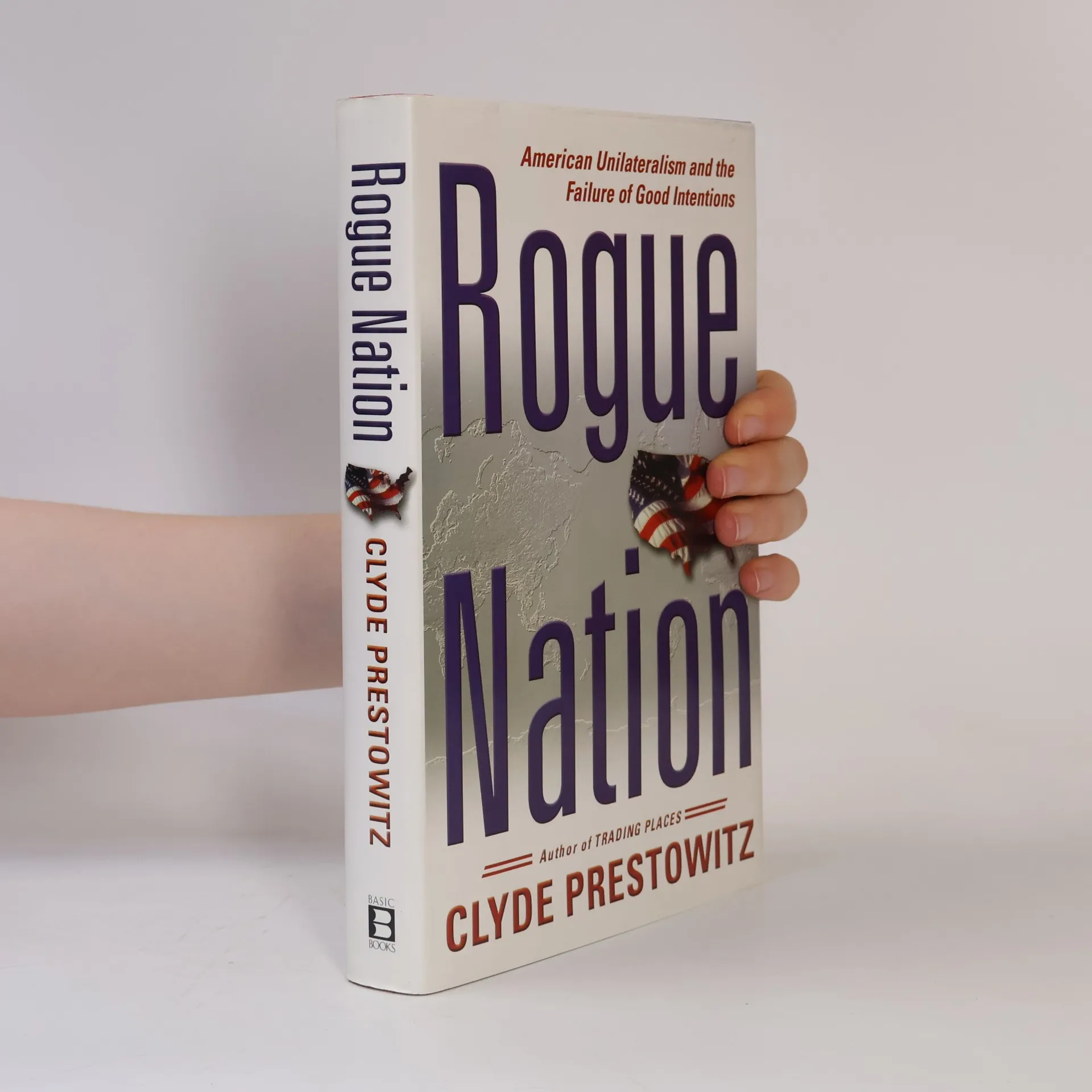
During the six months prior to the World Trade Center attack, the United States walked away from a treaty to control the world traffic in small arms, the Kyoto accords, a treaty to combat bioterrorism, and many other international agreements. After 9/11 there was a flurry of coalition building, but Europe and Asia quickly came to see the conflict in Afghanistan as an American war with Tony Blair leading cheers from the sidelines. Recent American calls to action in Iraq have only reinforced international perception that the U.S. plans to remain a solitary actor on the world stage. Despite our stated good intentions--the causes of justice and democracy--we have become the world's largest rogue nation.The Bush administration did not invent the American tradition of unilateralism, but, Clyde Prestowitz argues, they have taken it to unprecedented heights. Rogue Nation explores the historical roots of the unilateral impulse and shows how it helps shape American foreign policy in every important area: trade and economic policy, arms control, energy, environment, drug trafficking, agriculture. Even now, when the need for multilateral action--and the danger of going it alone--has never been greater, we continue to act contrary to international law, custom, and our own best interests.


Compra de libros
Rogue Nation, Clyde V. Prestowitz, Jr.
- Idioma

- Publicado en
- 2003
- product-detail.submit-box.info.binding
- (Tapa dura),
- Estado del libro
- Bueno
- Precio
- 1,99 €
Métodos de pago
Nos falta tu reseña aquí
- Título
- Rogue Nation
- Subtítulo
- American Unilateralism and the Failure of Good Intentions
- Idioma
- Inglés
- Autores
- Clyde V. Prestowitz, Jr.
- Editorial
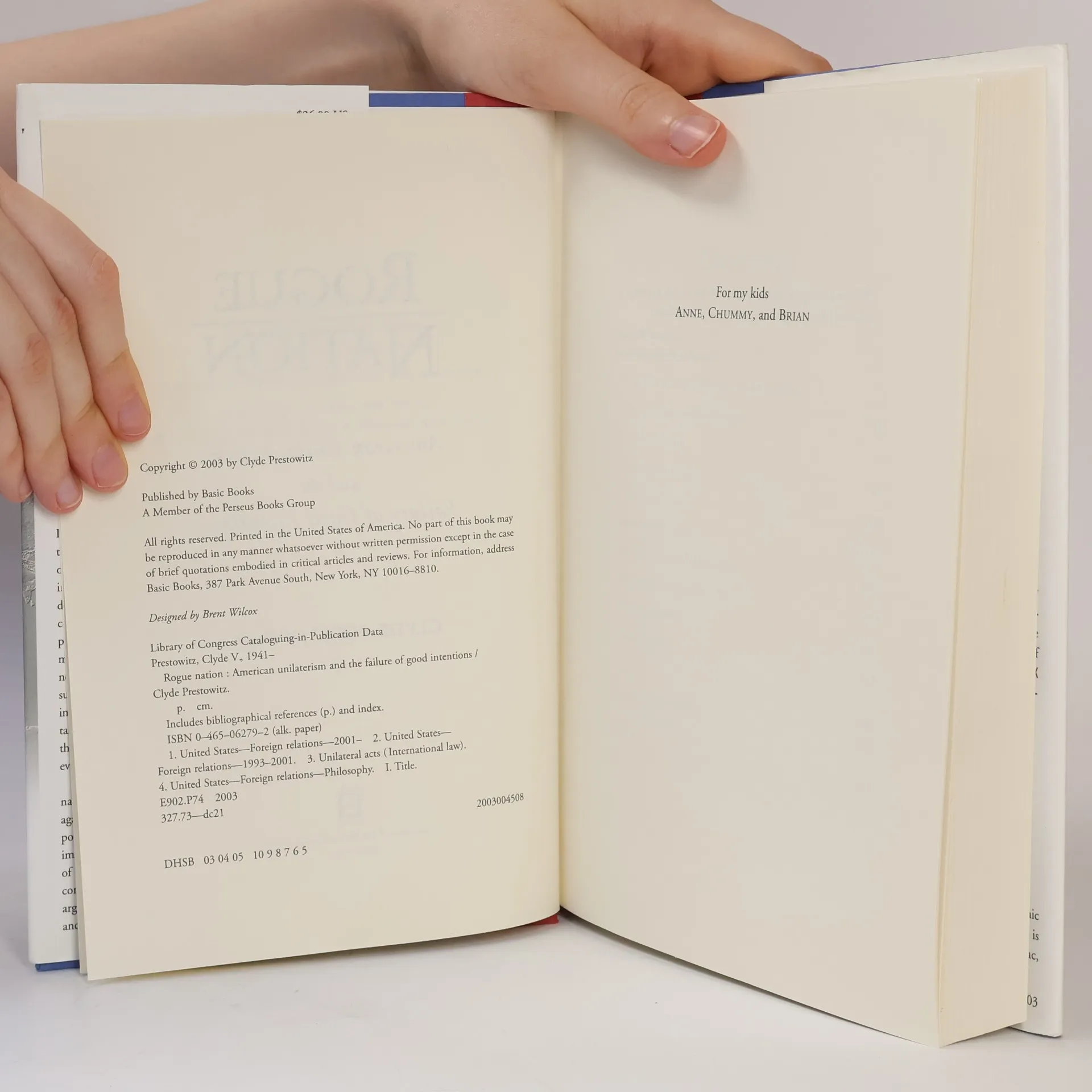
- Basic Books
- Publicado en
- 2003
- Formato
- Tapa dura
- Páginas
- 336
- ISBN10
- 0465062792
- ISBN13
- 9780465062799
- Serie
- Etiquetas
- No ficción, Ciencias sociales, Tema histórico, Historia, Ciencias políticas & Política, Política, EE.UU.
- Calificación
- 3,6 de 5
- Descripción
- During the six months prior to the World Trade Center attack, the United States walked away from a treaty to control the world traffic in small arms, the Kyoto accords, a treaty to combat bioterrorism, and many other international agreements. After 9/11 there was a flurry of coalition building, but Europe and Asia quickly came to see the conflict in Afghanistan as an American war with Tony Blair leading cheers from the sidelines. Recent American calls to action in Iraq have only reinforced international perception that the U.S. plans to remain a solitary actor on the world stage. Despite our stated good intentions--the causes of justice and democracy--we have become the world's largest rogue nation.The Bush administration did not invent the American tradition of unilateralism, but, Clyde Prestowitz argues, they have taken it to unprecedented heights. Rogue Nation explores the historical roots of the unilateral impulse and shows how it helps shape American foreign policy in every important area: trade and economic policy, arms control, energy, environment, drug trafficking, agriculture. Even now, when the need for multilateral action--and the danger of going it alone--has never been greater, we continue to act contrary to international law, custom, and our own best interests.