

Parámetros
- 208 páginas
- 8 horas de lectura
Más información sobre el libro
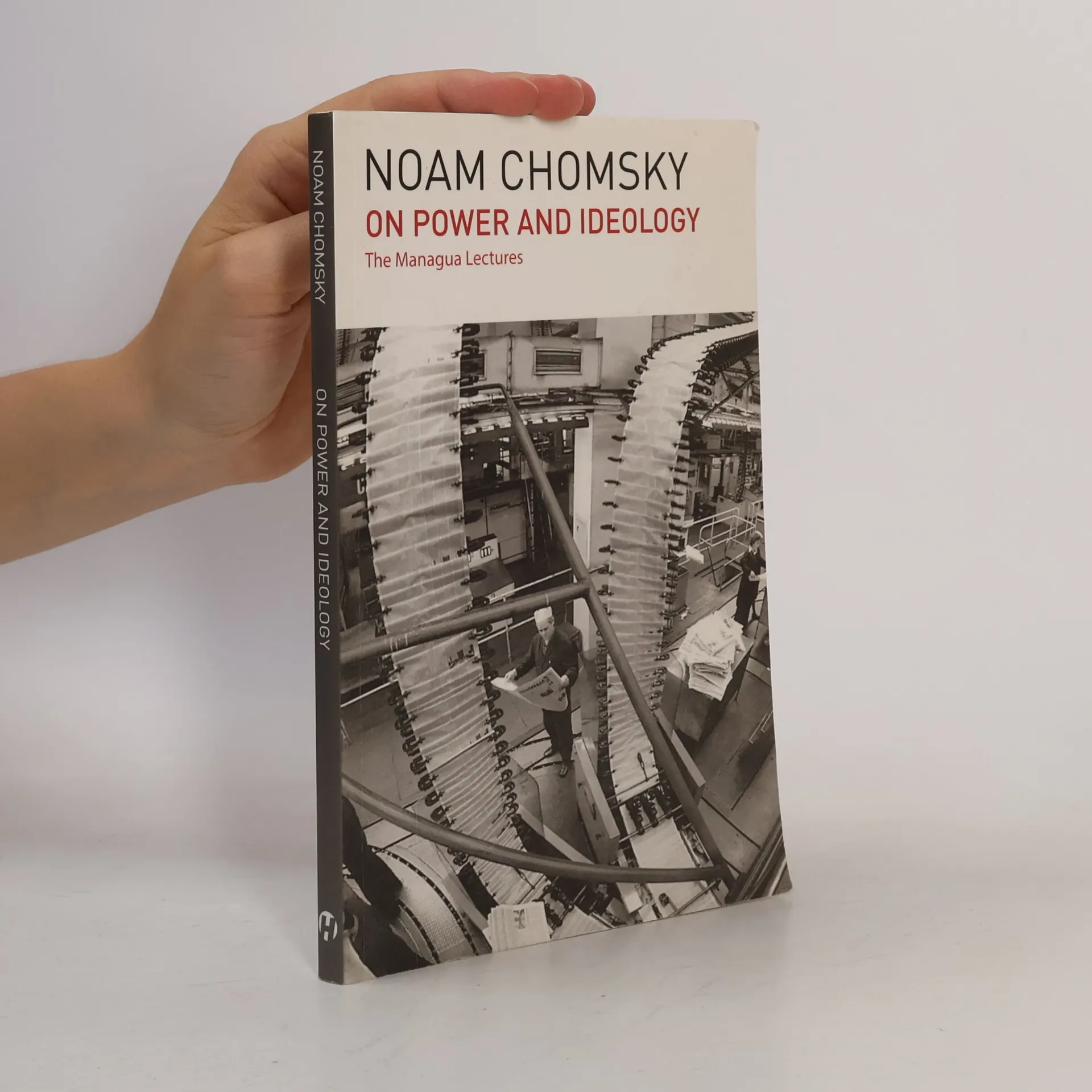
One of Noam Chomsky's most accessible books, On Power and Ideology is a product of his 1986 visit to Managua, Nicaragua, for a lecture series at Unversidad Centroamericana. Delivered at the height of U.S. involvement in the Nicaraguan civil war, this succinct series of lectures lays out the parameters of Noam Chomsky's foreign policy analysis. The book consists of five lectures on U.S. international and security policy. The first two lectures examine the persistent and largely homogenous features of U.S. foreign policy, and overall framework of order. The third discusses Central America and its foreign policy pattern. The fourth looks at U.S. national security and the arms race. And the fifth examines U.S. domestic policy. These five talks, conveyed directly to the people bearing the brunt of devastating U.S. foreign policy, make historic and exciting reading.


Compra de libros
On Power and Ideology, Noam Chomsky
- Idioma

- Publicado en
- 2015
- product-detail.submit-box.info.binding
- (Tapa blanda)
Métodos de pago
Nos falta tu reseña aquí
- Título
- On Power and Ideology
- Subtítulo
- The Managua Lectures
- Idioma
- Inglés
- Autores
- Noam Chomsky
- Editorial
- Haymarket Books
- Publicado en
- 2015
- Formato
- Tapa blanda
- Páginas
- 208
- ISBN10
- 1608464008
- ISBN13
- 9781608464005
- Serie
- Etiquetas
- No ficción, Ciencias sociales, Tema histórico, Historia, Ciencias políticas & Política, Temática filosófica, Filosofía, Política, Sociología, Teorías científicas
- Calificación
- 4,15 de 5
- Descripción
- One of Noam Chomsky's most accessible books, On Power and Ideology is a product of his 1986 visit to Managua, Nicaragua, for a lecture series at Unversidad Centroamericana. Delivered at the height of U.S. involvement in the Nicaraguan civil war, this succinct series of lectures lays out the parameters of Noam Chomsky's foreign policy analysis. The book consists of five lectures on U.S. international and security policy. The first two lectures examine the persistent and largely homogenous features of U.S. foreign policy, and overall framework of order. The third discusses Central America and its foreign policy pattern. The fourth looks at U.S. national security and the arms race. And the fifth examines U.S. domestic policy. These five talks, conveyed directly to the people bearing the brunt of devastating U.S. foreign policy, make historic and exciting reading.