

Más información sobre el libro
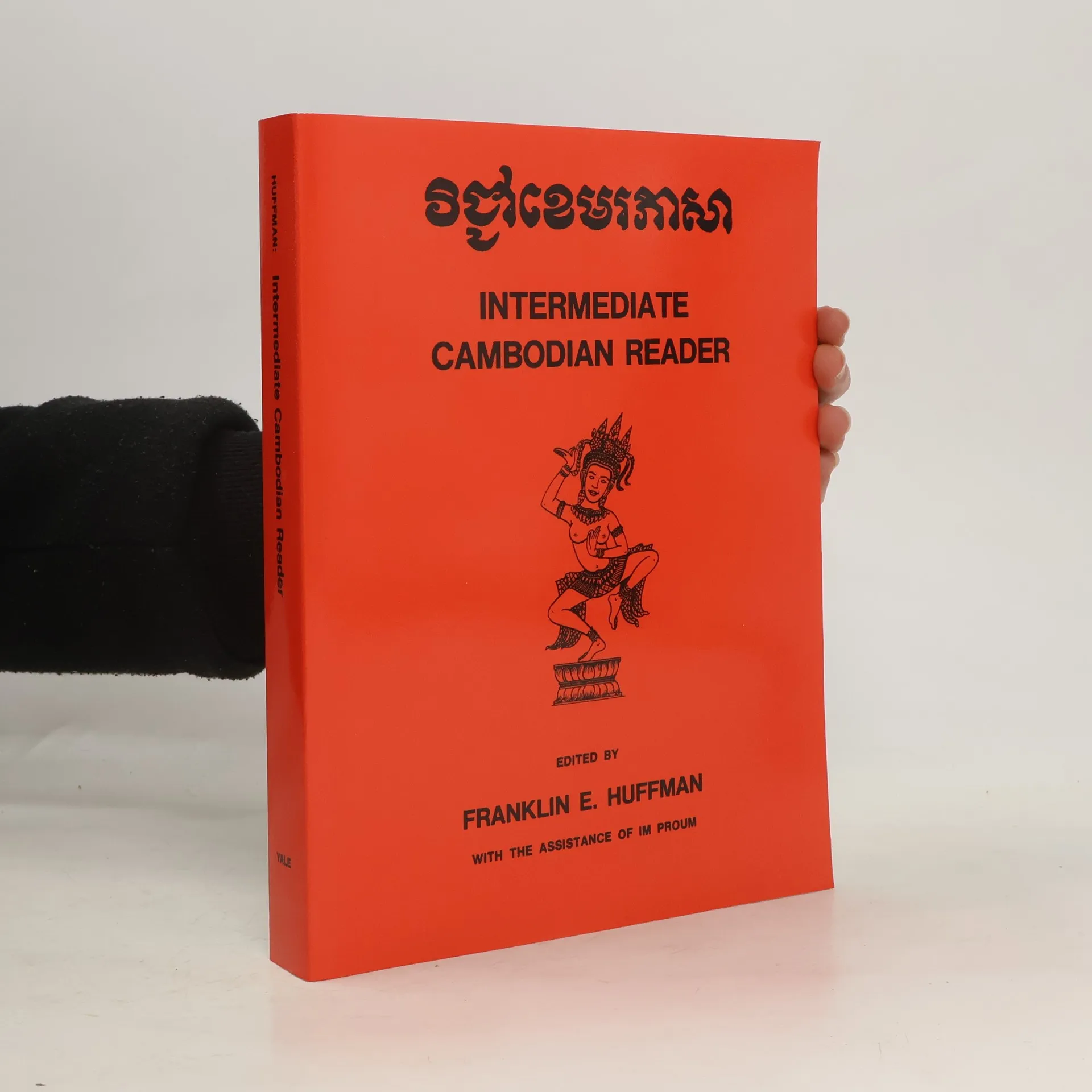
This book is a sequel to the author’s Cambodian System of Writing and Beginning Reader, published by the Yale University Press in 1970. It is intended to develop the student’s ability to the point of reading unedited Cambodian texts with the aid of a dictionary. Part One consists of thirty-seven reading selections in Cambodian, graded in length and difficulty, from publications by Cambodia’s leading writers and scholars. It includes articles on Cambodian history, culture, and geography; Cambodian folktales; newspaper articles and editorials; and modern Cambodian fiction. Each selection is followed by a list of the vocabulary items not previously introduced, along with their definitions. Part Two consists of a final alphabetical Cambodian-English glossary containing not only the 4000 vocabulary items introduced in this volume, but also the 2000 vocabulary items in the preceding Cambodian System of Writing and Beginning Reader. This comprehensive glossary, besides rendering the book useful independently of the preceding volume, is particularly important in view of the present lack of a satisfactory Cambodian-English dictionary for students to use.
Compra de libros
Intermediate Cambodian Reader, Franklin E. Huffman
- Idioma

- Publicado en
- 1972
- Encuadernación
- (Tapa blanda)
Métodos de pago
Nadie lo ha calificado todavía.
- Título
- Intermediate Cambodian Reader
- Idioma
- Inglés
- Autores
- Franklin E. Huffman
- Editorial
- Yale University Press
- Publicado en
- 1972
- Formato
- Tapa blanda
- Páginas
- 502
- ISBN10
- 0300015526
- ISBN13
- 9780300015522
- Serie
- Descripción
- This book is a sequel to the author’s Cambodian System of Writing and Beginning Reader, published by the Yale University Press in 1970. It is intended to develop the student’s ability to the point of reading unedited Cambodian texts with the aid of a dictionary. Part One consists of thirty-seven reading selections in Cambodian, graded in length and difficulty, from publications by Cambodia’s leading writers and scholars. It includes articles on Cambodian history, culture, and geography; Cambodian folktales; newspaper articles and editorials; and modern Cambodian fiction. Each selection is followed by a list of the vocabulary items not previously introduced, along with their definitions. Part Two consists of a final alphabetical Cambodian-English glossary containing not only the 4000 vocabulary items introduced in this volume, but also the 2000 vocabulary items in the preceding Cambodian System of Writing and Beginning Reader. This comprehensive glossary, besides rendering the book useful independently of the preceding volume, is particularly important in view of the present lack of a satisfactory Cambodian-English dictionary for students to use.