

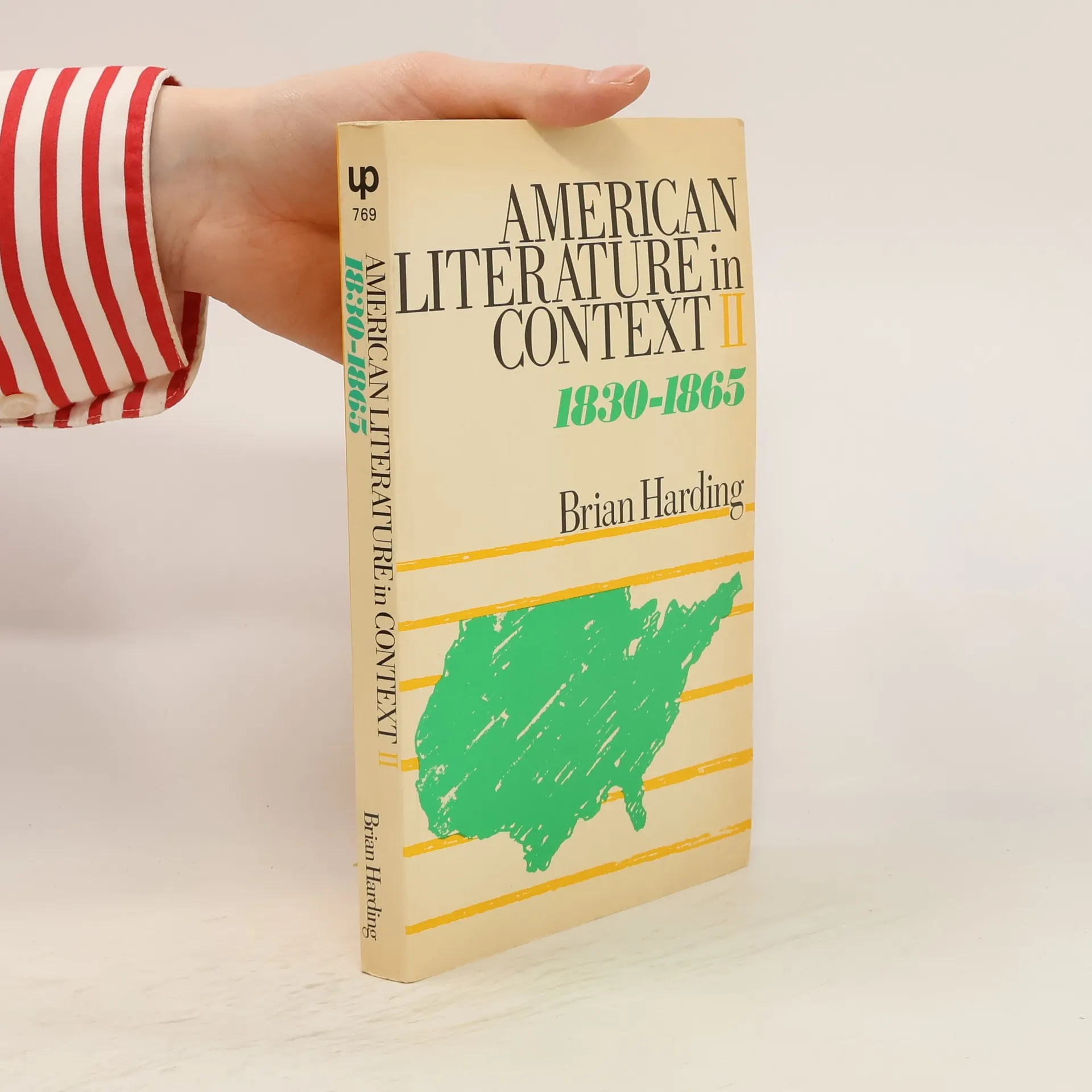


Más información sobre el libro
Focusing on the ways in which conceptions of freedom affected their ideas of human potentiality and views of the American nation, this volume examines the works of twelve major American writers of the three decades before the Civil War. In addition to great literary figures like Nathaniel Hawthorne, Edgar Allan Poe, Ralph Waldo Emerson, Henry David Thoreau, Herman Melville and Walt Whitman, the book analyses the writings of two historians, an intellectual journalist, and Abraham Lincoln, President of the United States during the Civil War. Among the major themes that appear throughout the book are the religious heritage of New England Transcendentalism, sectional rivalries, tensions between self-culture and social awareness, and the widening gulf between the idea of national destiny and the fact of growing disunity. In addition, the dominant literary forms of the period - sermon, essay, travelogue - are related to the common cultural assumptions of the age.
Compra de libros
American Literature in Context II: 1830-1865, Brian Harding
- Idioma

- Publicado en
- 1982
- Encuadernación
- (Tapa blanda)
Métodos de pago
Nadie lo ha calificado todavía.
- Título
- American Literature in Context II: 1830-1865
- Idioma
- Inglés
- Autores
- Brian Harding
- Editorial
- Taylor & Francis
- Publicado en
- 1982
- Formato
- Tapa blanda
- Páginas
- 247
- ISBN10
- 0416739105
- ISBN13
- 9780416739107
- Serie
- Etiquetas
- Descripción
- Focusing on the ways in which conceptions of freedom affected their ideas of human potentiality and views of the American nation, this volume examines the works of twelve major American writers of the three decades before the Civil War. In addition to great literary figures like Nathaniel Hawthorne, Edgar Allan Poe, Ralph Waldo Emerson, Henry David Thoreau, Herman Melville and Walt Whitman, the book analyses the writings of two historians, an intellectual journalist, and Abraham Lincoln, President of the United States during the Civil War. Among the major themes that appear throughout the book are the religious heritage of New England Transcendentalism, sectional rivalries, tensions between self-culture and social awareness, and the widening gulf between the idea of national destiny and the fact of growing disunity. In addition, the dominant literary forms of the period - sermon, essay, travelogue - are related to the common cultural assumptions of the age.