



Parámetros
- 269 páginas
- 10 horas de lectura
Más información sobre el libro
From Washington to the Vatican to Tehran, religion is increasingly a public concern, with secular values like individual autonomy, pluralism, and freedom of conscience under siege. The religious assert a monopoly on morality, while secular liberals are criticized for lacking a clear moral stance. Many secular liberals have abandoned their moral authority, viewing issues of conscience—religion, ethics, and values—as private matters unsuitable for public discourse. This mindset prevents them from critically examining religion's impact on individual rights and advocating their moral perspectives for fear of imposing beliefs on others. Philosopher Austin Dacey calls for a reevaluation of conscience's role in public life, drawing inspiration from earlier liberal thinkers like Spinoza and John Stuart Mill. He urges liberals to break their silence and champion a renewed secularism rooted in the objective moral value of conscience. Dacey likens conscience to the press, asserting that it must be protected from coercion and control, not due to its privacy but because of its essential public function. Conscience should precede all faiths, guiding belief and providing a common language for meaningful dialogue in a diverse society, serving as an ethical framework for global discussions.


Estado
Actualmente hay del libro The Secular Conscience (2008) en stock.
Compra de libros
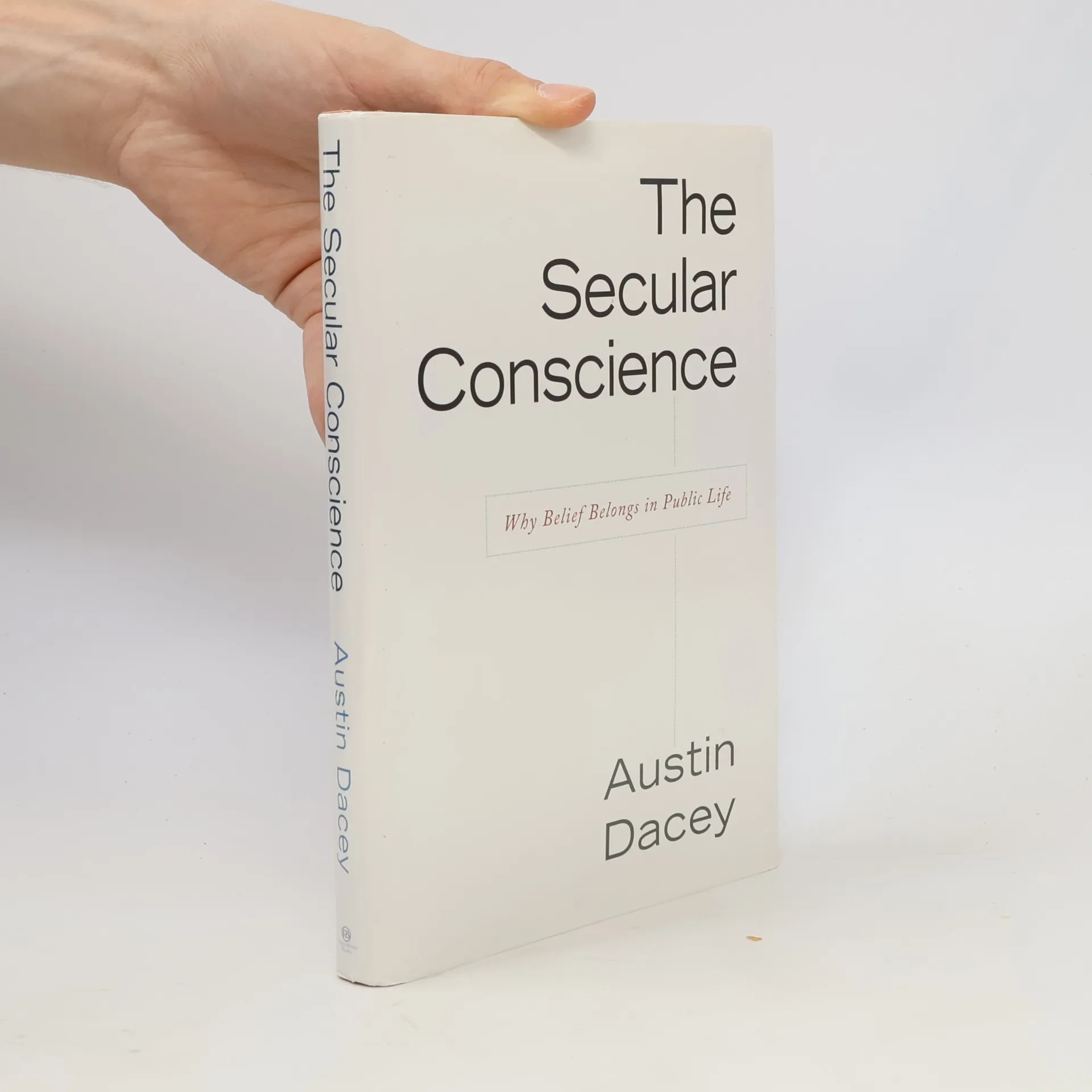
The Secular Conscience, Austin Dacey
- Idioma

- Publicado en
- 2008
- Encuadernación
- (Tapa dura),
- Estado del libro
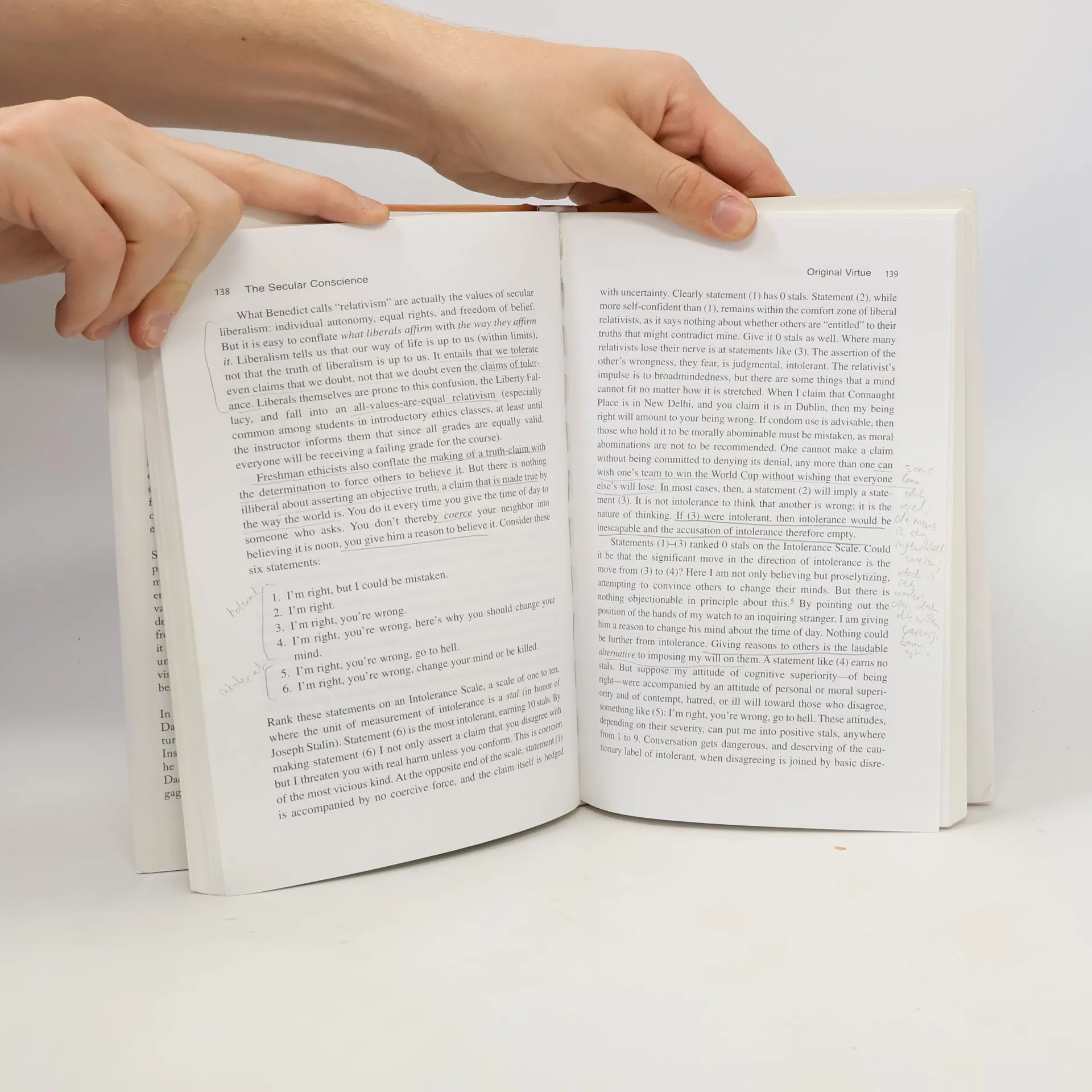
- Dañado
- Precio
- 3,52 €
Métodos de pago
Nadie lo ha calificado todavía.
- Título
- The Secular Conscience
- Subtítulo
- Why Belief Belongs in Public Life
- Idioma
- Inglés
- Autores
- Austin Dacey
- Editorial
- Prometheus Books
- Publicado en
- 2008
- Formato
- Tapa dura
- Páginas
- 269
- ISBN10
- 1591026040
- ISBN13
- 9781591026044
- Serie
- Etiquetas
- Ficción, Literatura mundial
- Descripción
- From Washington to the Vatican to Tehran, religion is increasingly a public concern, with secular values like individual autonomy, pluralism, and freedom of conscience under siege. The religious assert a monopoly on morality, while secular liberals are criticized for lacking a clear moral stance. Many secular liberals have abandoned their moral authority, viewing issues of conscience—religion, ethics, and values—as private matters unsuitable for public discourse. This mindset prevents them from critically examining religion's impact on individual rights and advocating their moral perspectives for fear of imposing beliefs on others. Philosopher Austin Dacey calls for a reevaluation of conscience's role in public life, drawing inspiration from earlier liberal thinkers like Spinoza and John Stuart Mill. He urges liberals to break their silence and champion a renewed secularism rooted in the objective moral value of conscience. Dacey likens conscience to the press, asserting that it must be protected from coercion and control, not due to its privacy but because of its essential public function. Conscience should precede all faiths, guiding belief and providing a common language for meaningful dialogue in a diverse society, serving as an ethical framework for global discussions.