



Más información sobre el libro
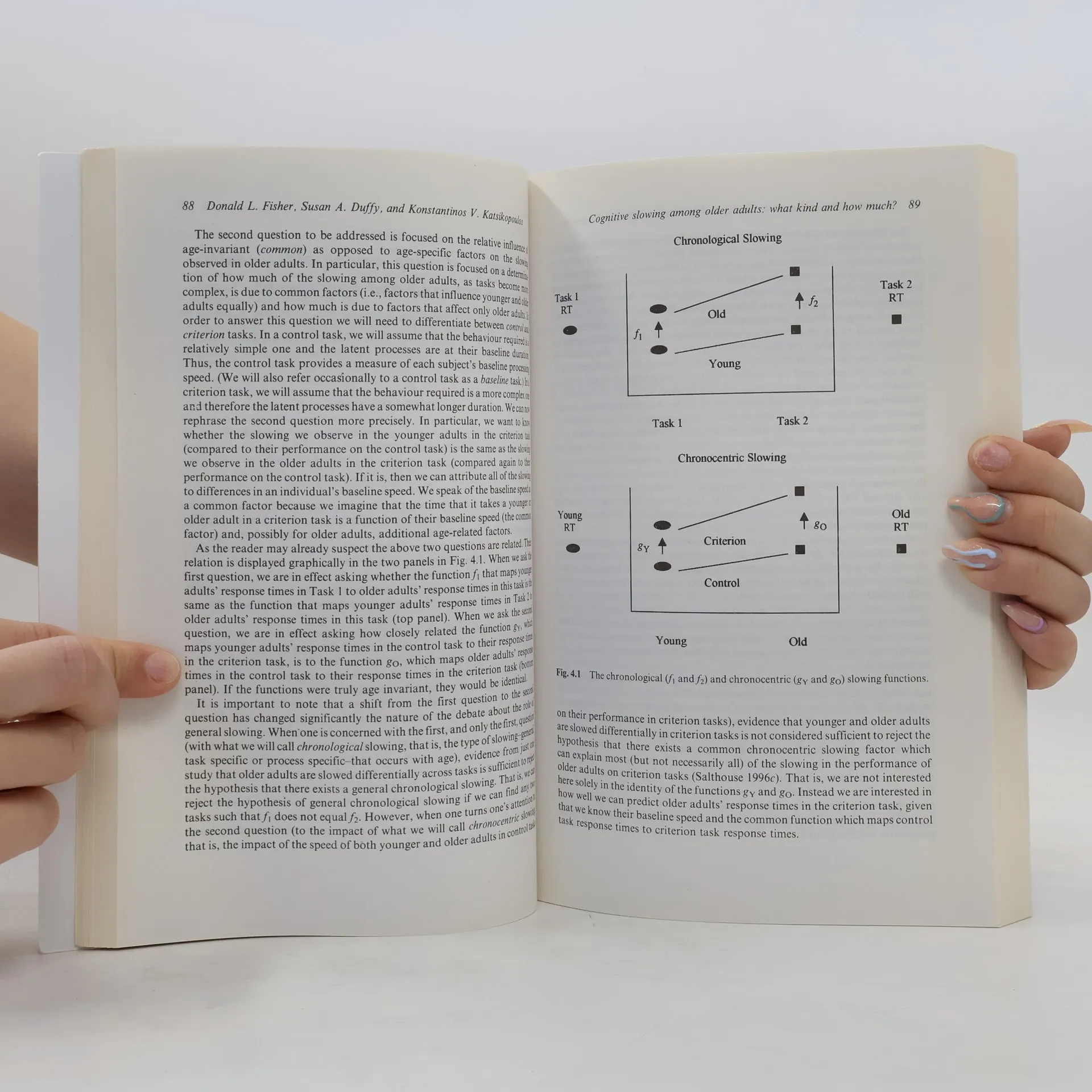
We live in an ageing society, where people are living longer, and where decreases in the birth rate mean that the proportion of the population above retirement age is steadily increasing. An ageing population has considerable implications for health services and care provision. Consequently there is a growing interest among researchers, medical practitioners, and policy makers in older adults, their capabilities, and the changes in their cognitive functioning. This book offers an up-to-the-minute account of the latest methodological and theoretical issues in cognitive ageing. Part of the Debates in Psychology series, it sets out the arguments surrounding the currently controversial questions in cognitive ageing. What is the appropriate methodology for understanding cognitive change? How many factors are necessary to understand the patterns of age-related change? What might these factors be? The topics and arguments are explored in a series of chapters by the leading researchersin the field. Each contributor offers their view of how cognitive ageing can be best understood, and together they cover a broad range of cognitive functions including language use, cognitive slowing, and memory loss.
Compra de libros
Models of Cognitive Aging, Timothy J. Perfect, Elizabeth A. Maylor
- Idioma

- Publicado en
- 2000
- Encuadernación
- (Tapa blanda)
Métodos de pago
Nos falta tu reseña aquí
- Título
- Models of Cognitive Aging
- Idioma
- Inglés
- Editorial
- Oxford University Press
- Publicado en
- 2000
- Formato
- Tapa blanda
- Páginas
- 320
- ISBN10
- 0198524374
- ISBN13
- 9780198524373
- Serie
- Categorías
- Calificación
- 2 de 5
- Descripción
- We live in an ageing society, where people are living longer, and where decreases in the birth rate mean that the proportion of the population above retirement age is steadily increasing. An ageing population has considerable implications for health services and care provision. Consequently there is a growing interest among researchers, medical practitioners, and policy makers in older adults, their capabilities, and the changes in their cognitive functioning. This book offers an up-to-the-minute account of the latest methodological and theoretical issues in cognitive ageing. Part of the Debates in Psychology series, it sets out the arguments surrounding the currently controversial questions in cognitive ageing. What is the appropriate methodology for understanding cognitive change? How many factors are necessary to understand the patterns of age-related change? What might these factors be? The topics and arguments are explored in a series of chapters by the leading researchersin the field. Each contributor offers their view of how cognitive ageing can be best understood, and together they cover a broad range of cognitive functions including language use, cognitive slowing, and memory loss.