



Más información sobre el libro
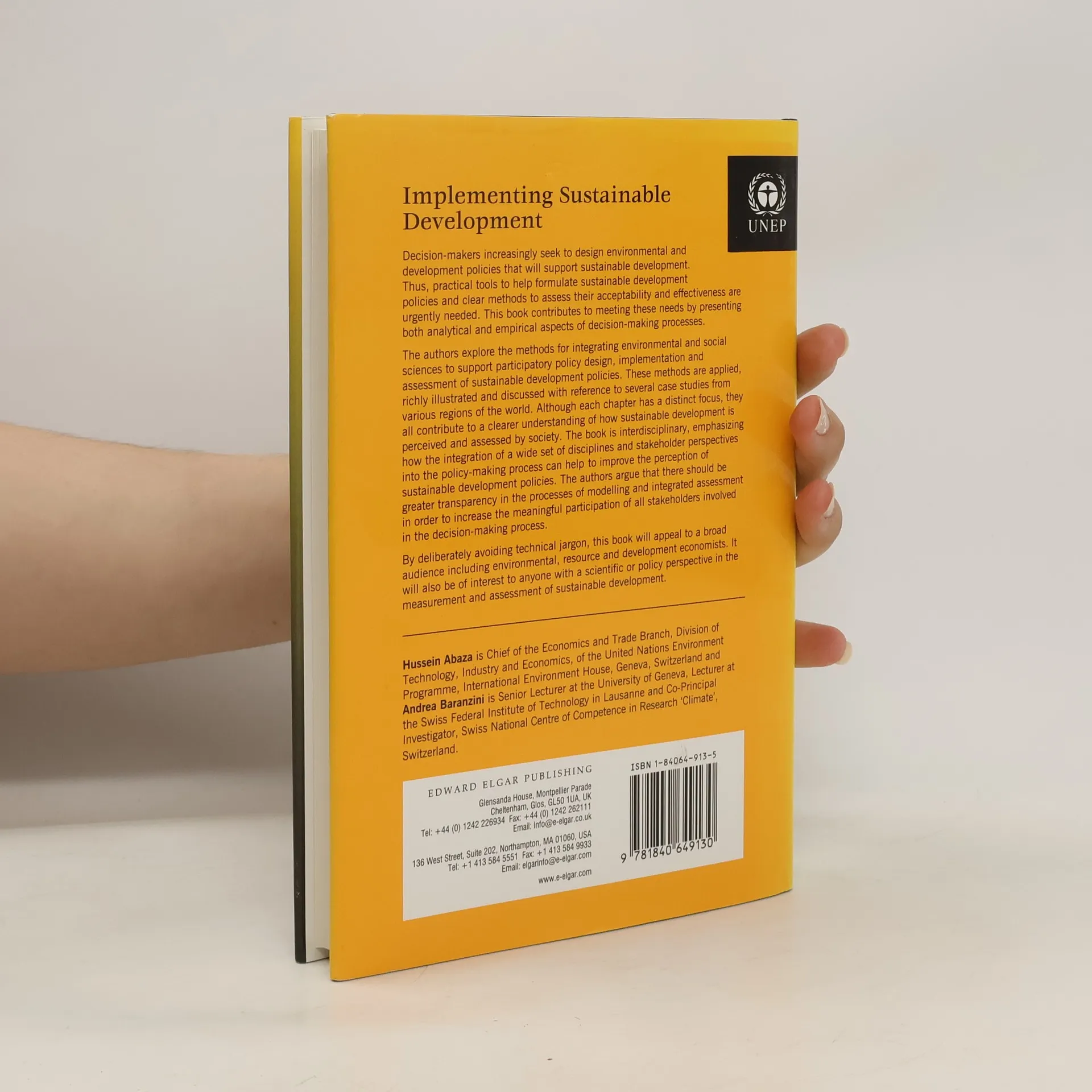
Decision-makers are increasingly focused on creating environmental and development policies that promote sustainable development, highlighting the urgent need for practical tools to formulate and assess these policies. This work addresses this demand by examining both analytical and empirical aspects of decision-making processes. The authors investigate methods for integrating environmental and social sciences to enhance participatory policy design, implementation, and evaluation. These methods are illustrated through various global case studies, providing a comprehensive understanding of how sustainable development is perceived and assessed by society. The interdisciplinary approach underscores the importance of incorporating diverse disciplines and stakeholder perspectives into the policy-making process to improve the acceptance of sustainable development initiatives. The authors advocate for increased transparency in modeling and integrated assessment processes to foster meaningful stakeholder participation in decision-making. By avoiding technical jargon, the work is accessible to a wide audience, including environmental, resource, and development economists, as well as those interested in the scientific and policy dimensions of measuring and assessing sustainable development.
Compra de libros
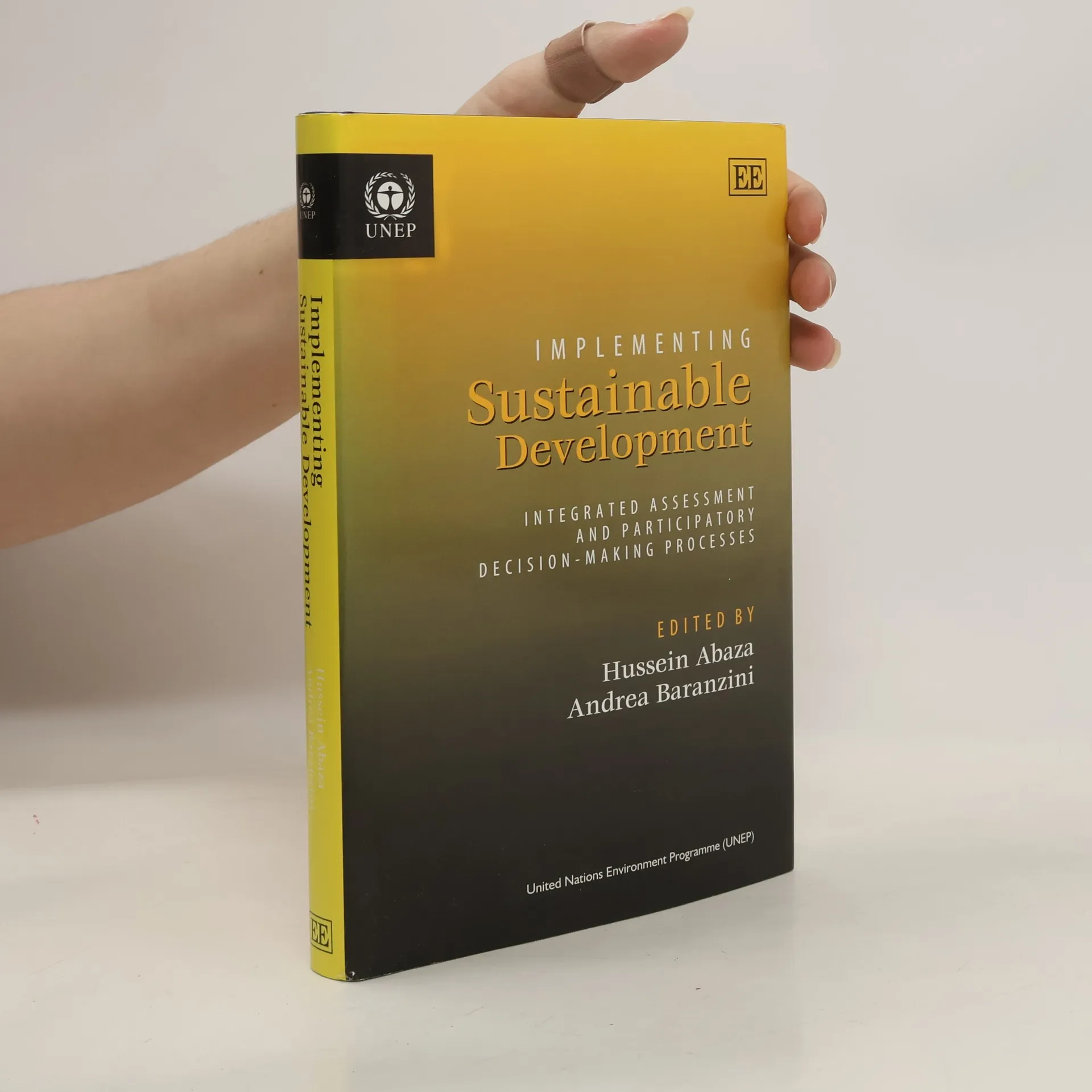
Implementing Sustainable Development, Hussein Abaza, Andrea Baranzini
- Idioma

- Publicado en
- 2002
- product-detail.submit-box.info.binding
- (Tapa dura),
- Estado del libro
- Dañado
- Precio
- 0,78 €
Métodos de pago
Nadie lo ha calificado todavía.
- Subtítulo
- Integrated Assessment and Participatory Decision-making Processes
- Idioma
- Inglés
- Autores
- Hussein Abaza, Andrea Baranzini
- Editorial
- Edward Elgar Publishing
- Publicado en
- 2002
- Formato
- Tapa dura
- Páginas
- 330
- Serie
- Etiquetas
- No ficción, Comercio, Negocios & Gestión
- Descripción
- Decision-makers are increasingly focused on creating environmental and development policies that promote sustainable development, highlighting the urgent need for practical tools to formulate and assess these policies. This work addresses this demand by examining both analytical and empirical aspects of decision-making processes. The authors investigate methods for integrating environmental and social sciences to enhance participatory policy design, implementation, and evaluation. These methods are illustrated through various global case studies, providing a comprehensive understanding of how sustainable development is perceived and assessed by society. The interdisciplinary approach underscores the importance of incorporating diverse disciplines and stakeholder perspectives into the policy-making process to improve the acceptance of sustainable development initiatives. The authors advocate for increased transparency in modeling and integrated assessment processes to foster meaningful stakeholder participation in decision-making. By avoiding technical jargon, the work is accessible to a wide audience, including environmental, resource, and development economists, as well as those interested in the scientific and policy dimensions of measuring and assessing sustainable development.