

Más información sobre el libro
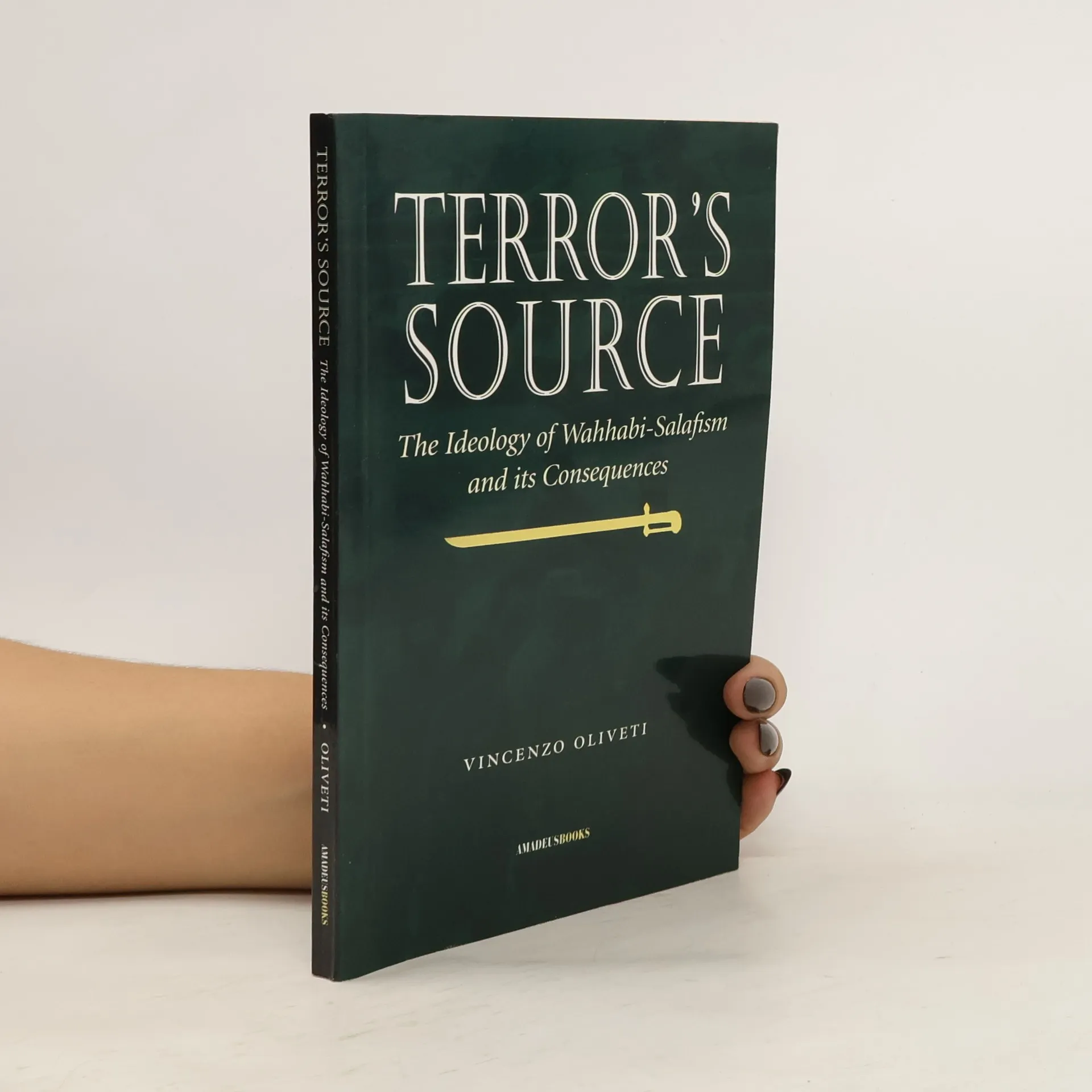
This groundbreaking book explains the divisions within modern Islam that have given rise to the terrorism of al-Qa'eda. With detailed examples, it shows the origin, funding and agenda of the Salafi sect, the most extreme of Islamic movements, to whose ranks Osama Bin Laden and his associates belong. The Salafi movement controls hundreds of religious schools, orphanages and other organisations around the world, in which young people are indoctrinated into this new and hate-filled view of the world. Warning of further terrorist attacks if the Muslim world does not act to prevent the spread of Salafism, the book concludes with an assessment of the current situation, and the strategies necessary to promote mainstream Islam as an alternative to Salafi extremism.
Compra de libros
Terror's Source, Vincenzo Oliveti
- Idioma

- Publicado en
- 2002
- Encuadernación
- (Tapa blanda)
Métodos de pago
Nos falta tu reseña aquí
- Título
- Terror's Source
- Subtítulo
- The Ideology of Wahhabi-Salafism and Its Consequences
- Idioma
- Inglés
- Autores
- Vincenzo Oliveti
- Editorial
- Amadeus
- Publicado en
- 2002
- Formato
- Tapa blanda
- Páginas
- 112
- ISBN10
- 0954372905
- ISBN13
- 9780954372903
- Serie
- Etiquetas
- Ideología
- Calificación
- 4,2 de 5
- Descripción
- This groundbreaking book explains the divisions within modern Islam that have given rise to the terrorism of al-Qa'eda. With detailed examples, it shows the origin, funding and agenda of the Salafi sect, the most extreme of Islamic movements, to whose ranks Osama Bin Laden and his associates belong. The Salafi movement controls hundreds of religious schools, orphanages and other organisations around the world, in which young people are indoctrinated into this new and hate-filled view of the world. Warning of further terrorist attacks if the Muslim world does not act to prevent the spread of Salafism, the book concludes with an assessment of the current situation, and the strategies necessary to promote mainstream Islam as an alternative to Salafi extremism.