

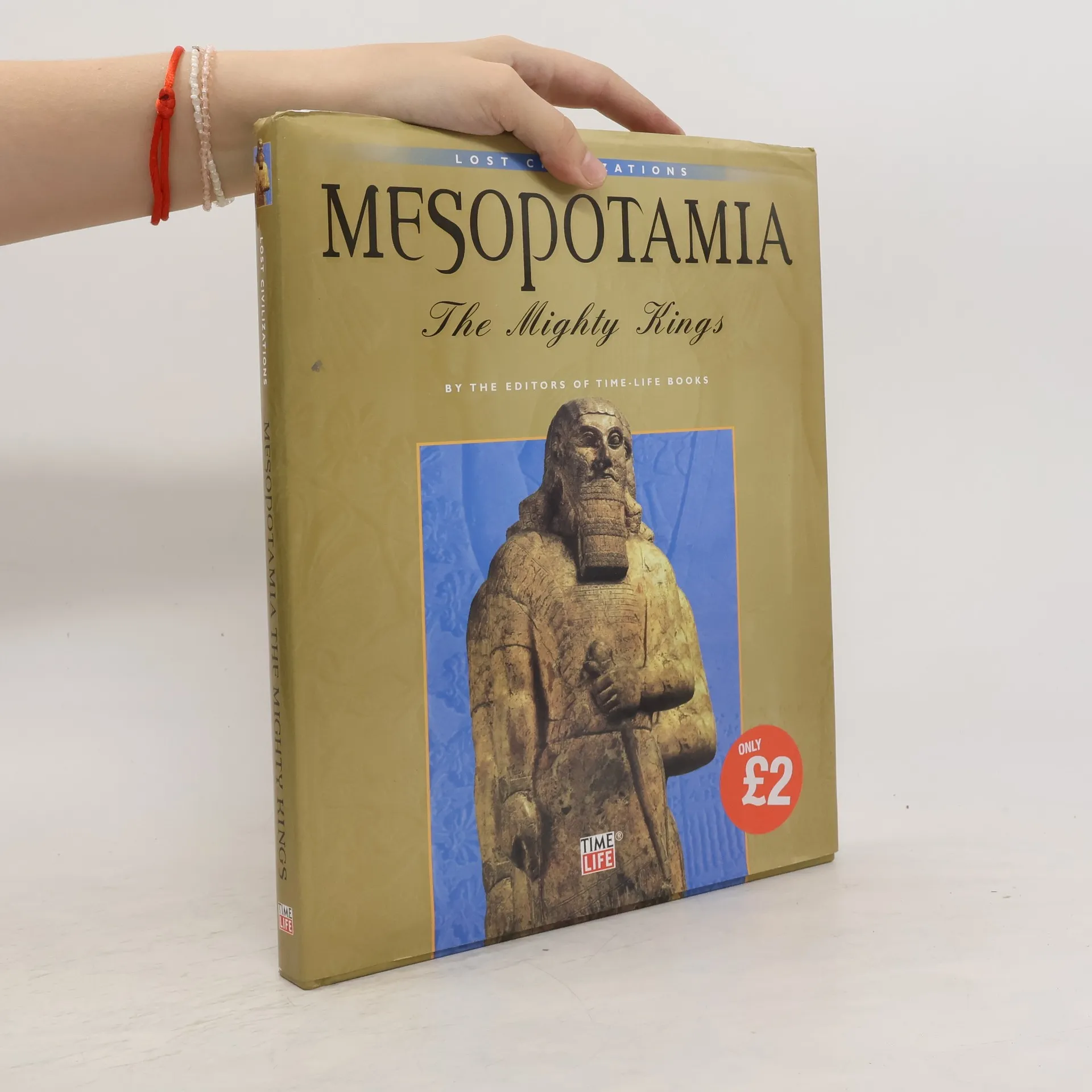
Más información sobre el libro
On through the centuries, travellers hurried across the deserts of Syria and Iraq little knowing that, only a few yards off the beaten track the cities of Mesopotamia had once loomed over a green, fertile landscape now buried under blank, enigmatic mounds of earth. To the uninformed eye the skeletons of glittering palaces and temples would have been barely detectable in the glare of the punishing sun. French archaeologist Andre Parrot, however, was not such an oblivious passerby. Tramping through these wind-scoured wastes in the 1920s, Parrot heard, as he put it, the 'overtones' of humanity's earliest achievements, 'an orchestration of mighty names: Hammurabi, Nebuchadnezzar,' that evoked for him not only such giants of ancient history but also whole scenes out of the Bible. On a scorching day in January 1934, on a mound called Tell Hariri in Syria, a dozen miles from the Iraqi border, he gazed down at the small white statue he cradled in his hands and saw in it affirmation that all the travail had been worthwhile.
Compra de libros
Mesopotamia, Charlotte Anker
- Idioma

- Publicado en
- 2004
- Encuadernación
- (Tapa dura)
Métodos de pago
Nos falta tu reseña aquí
- Título
- Mesopotamia
- Subtítulo
- The Mighty Kings
- Idioma
- Inglés
- Autores
- Charlotte Anker
- Editorial
- Time-Life
- Publicado en
- 2004
- Formato
- Tapa dura
- Páginas
- 168
- ISBN10
- 1844470520
- ISBN13
- 9781844470525
- Serie
- Etiquetas
- Tema histórico, Mesopotamia
- Calificación
- 3 de 5
- Descripción
- On through the centuries, travellers hurried across the deserts of Syria and Iraq little knowing that, only a few yards off the beaten track the cities of Mesopotamia had once loomed over a green, fertile landscape now buried under blank, enigmatic mounds of earth. To the uninformed eye the skeletons of glittering palaces and temples would have been barely detectable in the glare of the punishing sun. French archaeologist Andre Parrot, however, was not such an oblivious passerby. Tramping through these wind-scoured wastes in the 1920s, Parrot heard, as he put it, the 'overtones' of humanity's earliest achievements, 'an orchestration of mighty names: Hammurabi, Nebuchadnezzar,' that evoked for him not only such giants of ancient history but also whole scenes out of the Bible. On a scorching day in January 1934, on a mound called Tell Hariri in Syria, a dozen miles from the Iraqi border, he gazed down at the small white statue he cradled in his hands and saw in it affirmation that all the travail had been worthwhile.